Cicada Mania

The Cicada Mania Blog: News, Findings, and Discoveries About Cicadas.

Cicada Hats, Mugs, Shirts and other Items

April 2, 2013

The most interesting 17 year cicada facts

These are the 17 most interesting 17-year cicada facts (in my humble opinion):

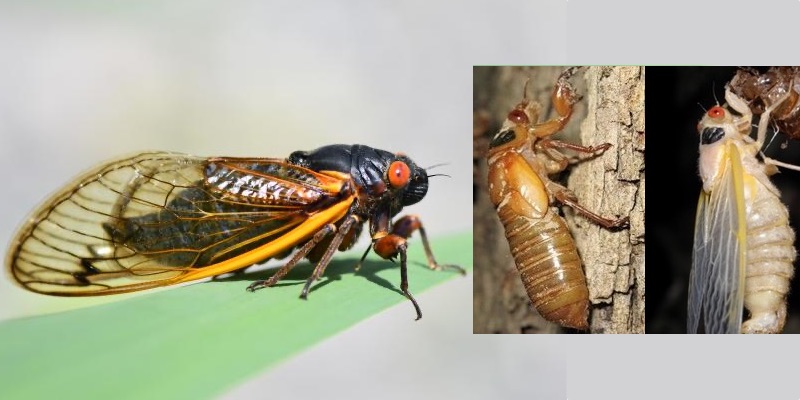
  1. Eye Color: Most 17 Year Cicadas have red eyes, but they can also have white, gray, blue , yellow, brown , or multi-colored eyes
    White Eyed Cicada
  2. Names: People call these cicadas “locusts” but they are not true locusts — real locusts look like grasshoppers. The phrase “17 year cicada” indicates that they arrive every 17 years. The name “periodical cicadas” indicates that they arrive periodically and not each and every year. The scientific name for the Genus of these cicadas is Magicicada, and there are 3 types of 17 year Magicicadas: Magicicada septendecim, Magicicada cassini and Magicicada septendecula. This is a true locust:
    Locust
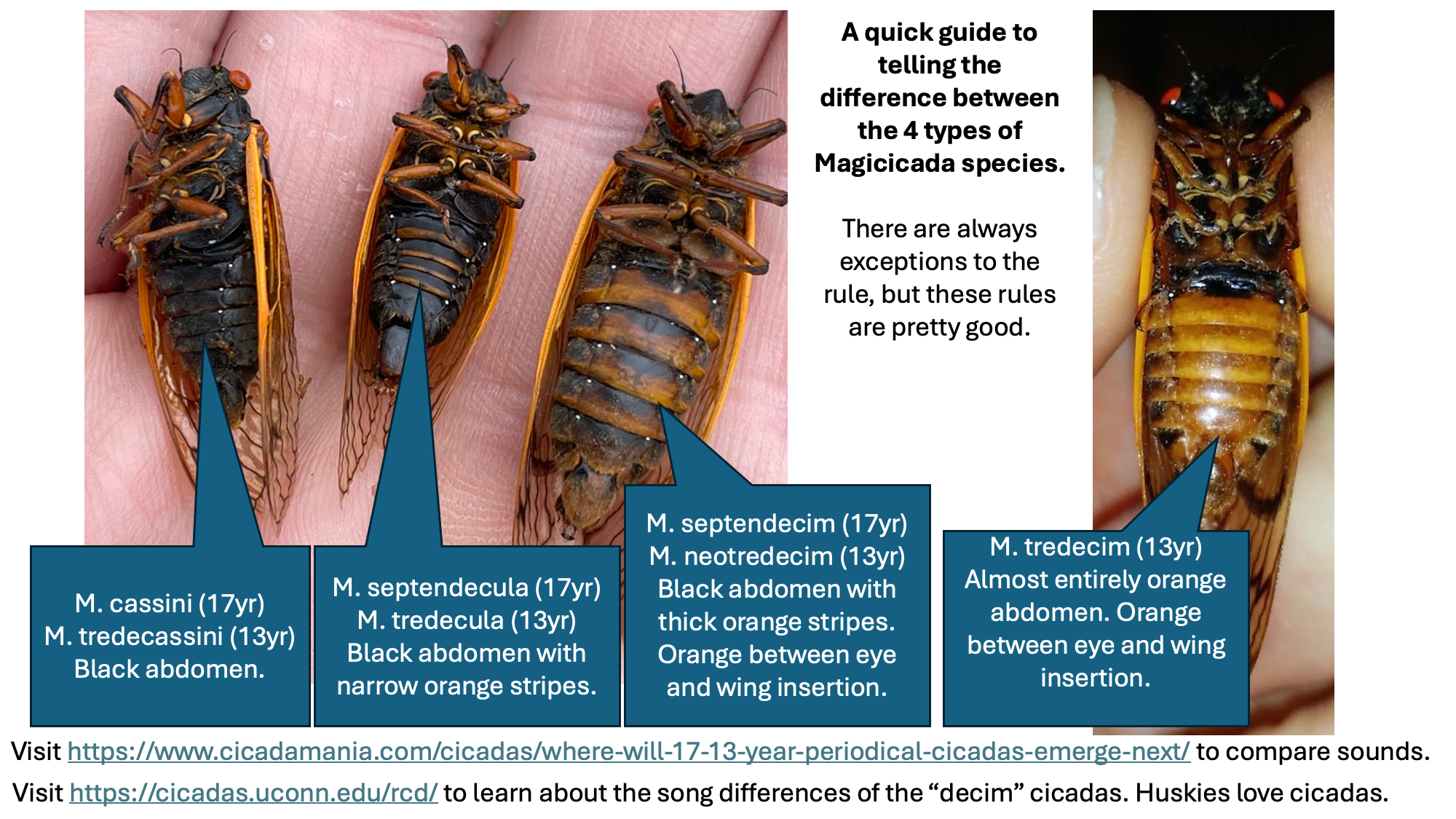
  3. There are 13-year cicadas too: there are 13 year cicadas too! Magicicada tredecim, Magicicada neotredecim, Magicicada tredecassini, and Magicicada tredecula. Broods XIX, XXII and XXIII feature these cicadas.
  4. Fungus: The Massosporan fungus infects Magicicadas, filling their abdomens and destroying their ability to reproduce. Often, their entire abdomen will fall off. The cicadas actually spread the fungus throughout their local colony via mating — the Massosporan fungus is a cicada STD!
    Fungus
  5. They’ll attack land on you if you’re using a power tool or lawn mower. Cicadas think the sounds made by power tools and lawn maintenance equipment are made by cicadas. They get confused and will land on the people using the equipment! Protip: cut your lawn in the early morning or near dusk when the cicadas are less active.
    Cicadas on Man
  6. Cicadas have five eyes: Cicadas have two, obvious, large, compound eyes, and three ocelli. Ocelli are three jewel-like eyes situated between the two main, compound eyes of a cicada. We believe ocelli are used to detect light and darkness. Ocelli means little eyes in Latin.
    5 eyes.
  7. People eat them: People eat them. You can barbecue it, boil it, broil it, bake it, saute it. There, uh, cicada kabobs, cicada creole, cicada gumbo, panfried, deep fried, stir fried. There’s pineapple cicada, lemon cicada, coconut cicada, pepper cicada, cicada soup, cicada stew, cicada salad, cicada and potatoes, cicada burger, cicada sandwich… that’s, that’s about it.
    Cicada Ice Cream
  8. Animals eat them: all wild animals and domestic pets will eat them. Dogs will gorge themselves until they choke. Squirrels will eat them like corn on the cob. Wild turkeys will grow fat and juicy on the cicada feast. Fish go crazy for them too — you can use them as bait, or use lures that mimic them.
  9. Cicadas “eat” tree fluids: Cicadas don’t eat solid foods — instead they use their slender, straw-like mouth parts to drink tree fluids.
  10. Cicadas pee: Yes cicadas pee, so wear a hat when walking under trees if that sort of thing bothers you. Cicadas drink tree fluids, and then expell the excess fluid they do now need. People call it “honey dew” or “cicada rain”.
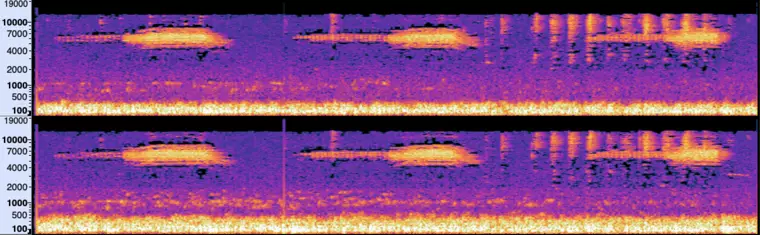
  11. That cicada sound: Only male cicadas make the sound they’re famous for. Males have organs on their abdomen called tymbals. Muscles pop the tymbals in and out, which creates the sound we hear. Males make different calls for different reasons, and each species has a unique sound. Females can make sound too — they flick their wings to respond to males. Read this article for more information.
    tymbals
  12. There are billions of them: there are literally billions of 17 year cicadas. Why? One theory suggests that the large number of cicadas overwhelms predators, so predators are never able to eat them all and cicadas, and many always survive to mate. This is a survival strategy called “predator satiation”.
  13. They damage wimpy trees: the biggest concern about 17 year cicadas is their potential to damage young trees. The truth is they will damage limbs on the wimpiest of trees, so if you if you have weak, pathetic, wimpy ornamental trees in your yard you should consider placing netting around the trees if the cicadas visit your yard. Also you can try hosing them off with water, placing insect barrier tape around the trunk of the trees, or picking them off like grapes! Or, plant strong, beefy American trees — that’s what I would do. Cicadas actually benefit the health of trees by aerating the soil around the roots, and trimming the weak or damaged limbs.
  14. Stragglers: Periodical cicadas that emerge in years before they are supposed to emerge are called stragglers.
    hipster cicada
  15. 17 and 13 are prime numbers. Scientist speculate that one reason why these cicadas emerge in 17 or 13 year cycles is because those are prime numbers. The fact that 13 & 17 are relatively large* prime numbers makes it difficult for predators to synchronize with them. (*Relative to the average lifespan of an animal.) Annual cicadas (cicadas that arrive every year) often have wasps specialized to prey on them; periodical cicadas have no such wasp because no wasp could evolve to synch with it.
  16. They use their color to warm up: Cicadas need to be warm to sing and fly around, but they’re cold blooded. Their dark skin absorbs the heat of the sun, which helps to warm them up.
  17. 17 year and 13 year broods co-emerge every 221 years. Cicada Broods usually don’t overlap geographically, and it is very rare when they emerge in the same year. The next time Brood II (the brood emerging in 2013) will co-emerge with another brood will be in 2115 when it co-emerges with Brood XIX. You might need a time machine to see that happen.

July 13, 2007

A cautionary tale: Champ the dog

Filed under: Brood XIII — by @ 5:41 am

This story has been all over the news, so I’m posting it. Champ the drug sniffing dog nearly chokes to death on 4 cicadas (video report). Don’t let your pets gorge themselves on cicadas. Like anything that’s an inch and a half long or longer, cicadas can become lodged in your pet’s throat, so keep a mindful eye on their insect dining habits.

July 11, 2007

Brood XIII wrap up: a new gallery of photos

Filed under: Brood XIII,Magicicada — by @ 7:24 pm

It’s rare for me to set up a new gallery — I’m either very lazy or too busy…

Here’s our one any only 2007 Brood XIII gallery: Jan & Roger’s Brood XIII Magicicada Gallery.

Jan & Roger’s Brood XIII Magicicada Gallery.

Brood XIII wrap up: a few more photos from Joe Balynas

Filed under: Brood XIII,Magicicada — by @ 7:18 pm

Magicicada

Magicicada

View all of Joe Balynas’ Magicicada photos.

July 9, 2007

Brood XIII, rotten but not forgotten

Filed under: Brood XIII — by @ 11:07 am

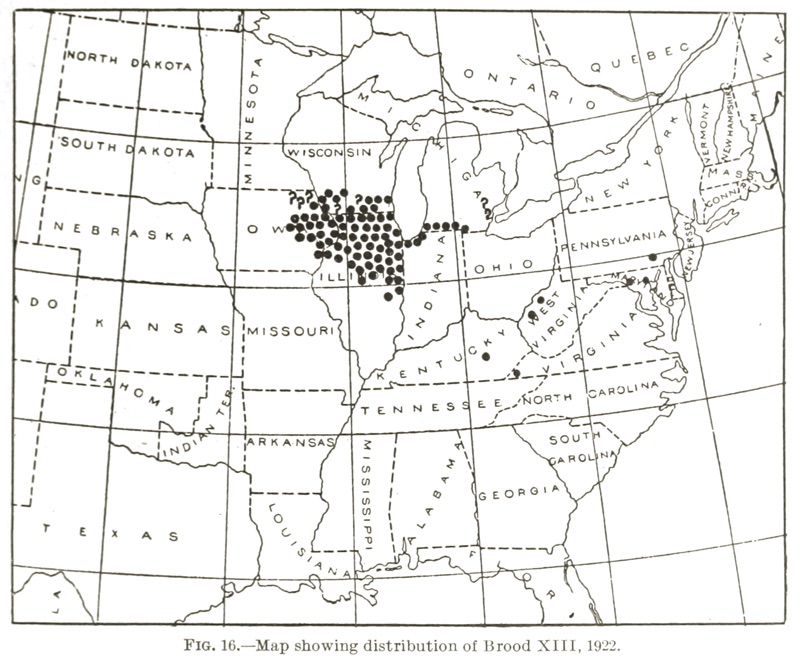
Brood XIII is all but gone in and few select areas (like Westmont IL for instance). Will you miss them? You might find a couple stragglers next year, but you’re going to have to wait until 2024 for the next Brood XIII emergence.

At this point you should start to see flagging from the Brood XIII cicadas: brown, dead leaves where the cicadas laid their eggs.

There is good news: the Tibicen cicadas are beginning to emerge. Tibicens emerge every year in small numbers — if you’re patient, should be able to find one of these shy cicadas in your yard or local park.

If you’ve willing to travel, you can see and hear the Brood XIV next year too.

Deanna’s cicada photos on Flickr are a nice representation of the Brood XIII emergence. Check them out whenever you want to reminisce.

More Brood XIII photos to come, and lots of other cicada fun is coming up, so stay tuned!

Update: make sure you check out all the cool images people added to Comments section of the CicadaMania MySpace page.

July 3, 2007

Cicadas (and me) on Fuji Network News

Filed under: Brood XIII,Pop Culture — by @ 7:32 am

A few of you might have noticed the film crew following me around the Cicada Mania festival. They filmed me at the festival, as well as back in Jersey — a once in a life time (or maybe once in 17 years) experience. The news cast aired yesterday in Japan, but you might be able to see it on a show called “Morning Eye” in North America.

Here is the final news story:

Roy Troutman, Gerry Bunker and Joe Green also appear in the video.

June 27, 2007

The final winner in the blue eyed cicada contest

Filed under: Brood XIII,Eye Color — by @ 5:18 pm

Michael Jimms sent us this photo of a blue eyed Magicicada:

blue eyed cicada

Michael won the last button in the blue/white/gray eyed cicada category.

Congratulations to all the winners. There are still prizes left in the contest: for Multi Colored Eyed cicadas, and for an emerging nymph with white eyes. Good luck.

June 25, 2007

2 more cicada contest winners

Filed under: Brood XIII,Eye Color — by @ 3:54 pm

A creamy white eyed cicada from Morton Grove by Judy Thorpe:

White eyed cicada

And…

A true-blue eyed cicada from Western Springs by Matt Weiss:

Blue eyed cicada

June 21, 2007

Another Blue/White Eye Contest Winner

Filed under: Brood XIII,Eye Color,Magicicada — by @ 6:35 am

Here’s a white eyed cicada from Grayson Martin.

White Eyed cicada

June 19, 2007

Emergence Update for 6/19/2007

Filed under: Brood XIII — by @ 4:46 pm

We got our first IOWA sighting!

Questions:

  1. When will they be gone??? About 2 weeks after the last one emerges. By the time Independence day rolls around, most places will be “liberated” from them.
  2. What’s that smell??? Like any rotting animal, cicadas emit a funky stank after they die. I think they smell like old bacon grease, other’s say Limburger cheese, wet dog…
  3. I haven’t seen any cicadas yet, does that mean I won’t see/hear any? Probably; time to get in the car and go to them.

Locations:

  • Cedar River near Atalissa, Iowa
  • Lombard and Elmhurst are “cicada heaven”
  • At Lake Geneva at Aurora University the Cicada were EVERYWHERE
  • Singing in Wheaton
  • Palos Heights is crawling with these things.
  • All over the place in Wheeling, IL
  • EVERYWHERE in Schiller Park
  • Big Foot Beach State Park (southern Wisconsin next to Lake Geneva)
  • Aurora,IL
Older Posts »