Categories
Brood II Magicicada Periodical Stragglers

Notes on Brood II Stragglers in New Jersey 2026

Magicicada periodical cicadas often emerge one or four years earlier or later than their main brood is expected to emerge. When they do, we call them precursors or stragglers (the most common name in scientific literature). This behavior is natural and expected, and how Magicicada have branched off into new broods over the millennia.

This year we expected members of Brood II to straggle 4-years early in New Jersey and other states. I was able to observe Magicicada straggling behavior in Metuchen, Edison, Fanwood, Scotch Plains and Mountainside, New Jersey. Looking at iNaturalist, 12 people observed them in Jersey.

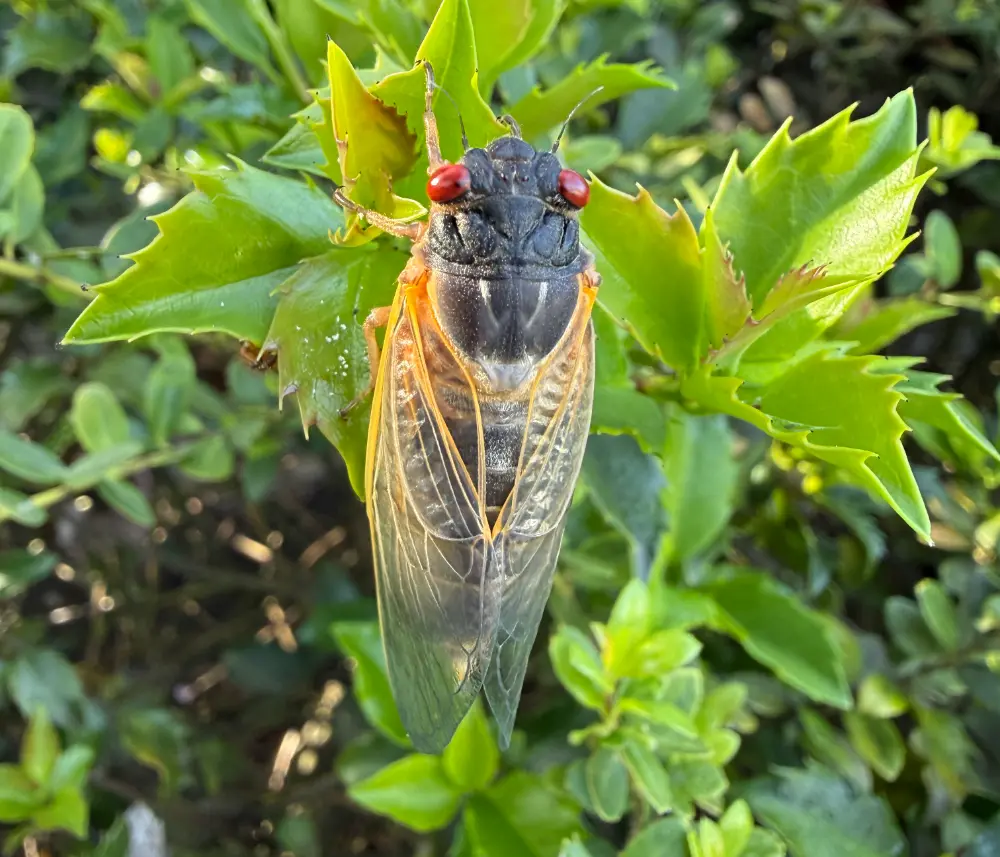
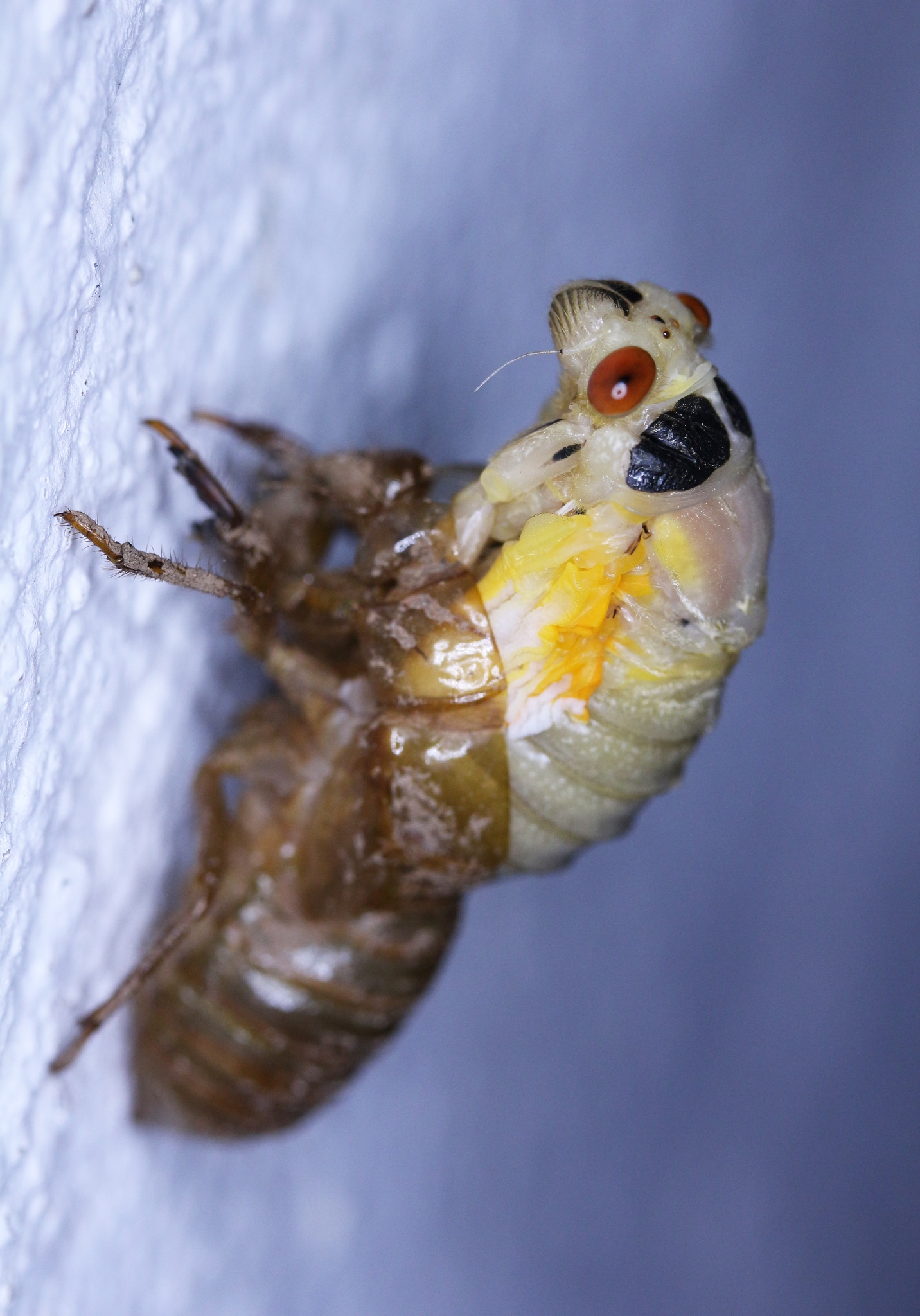
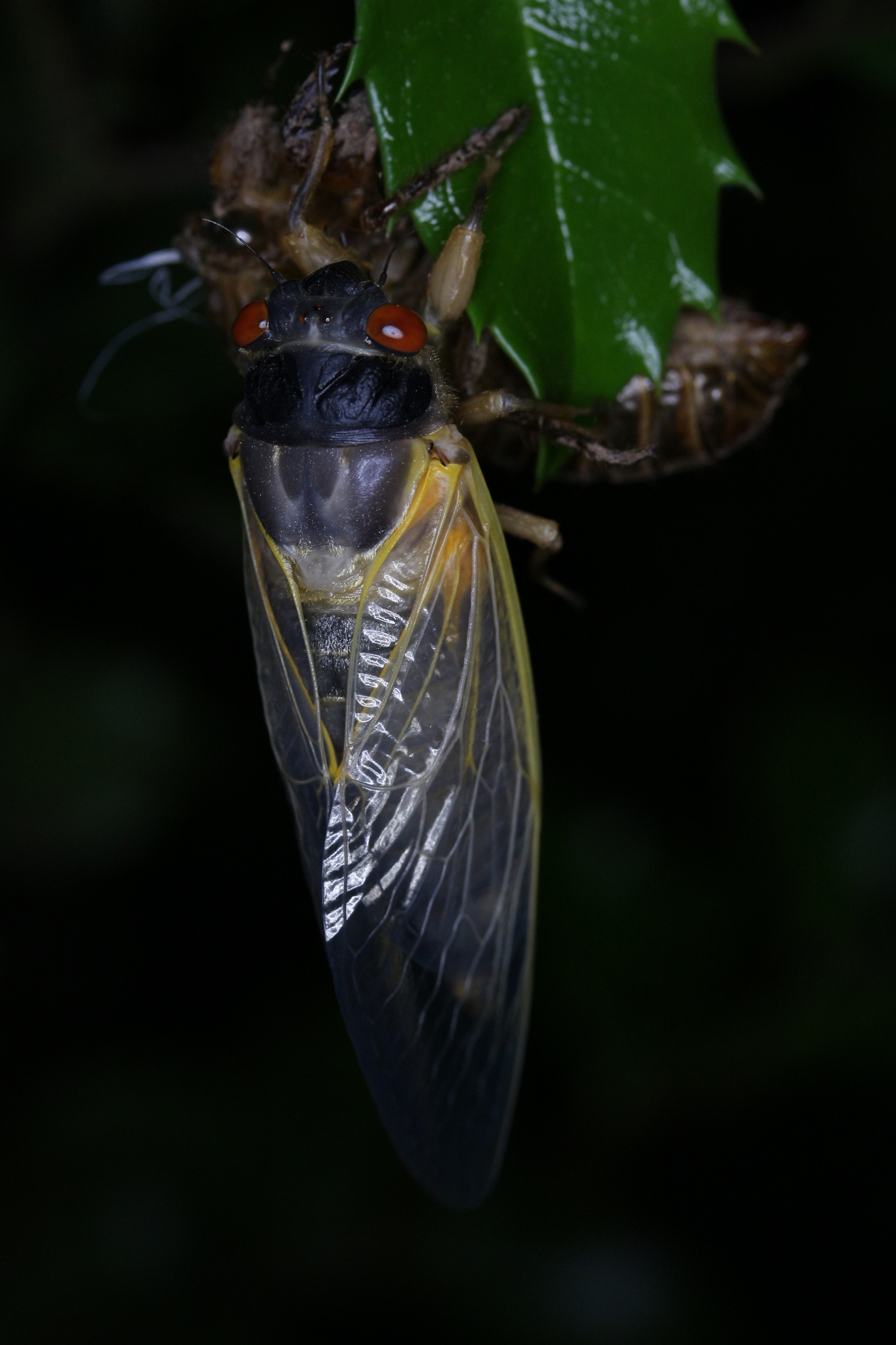
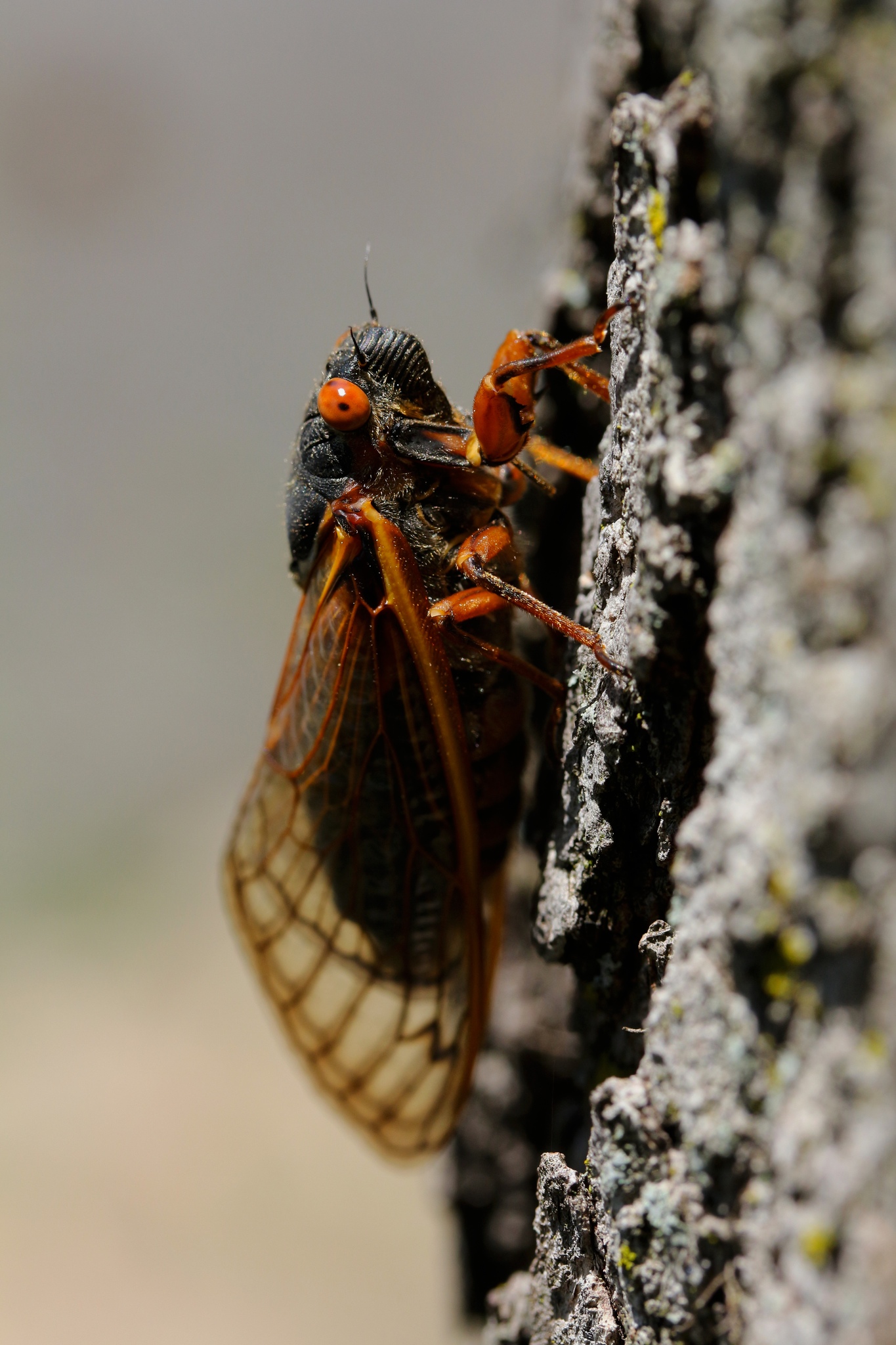
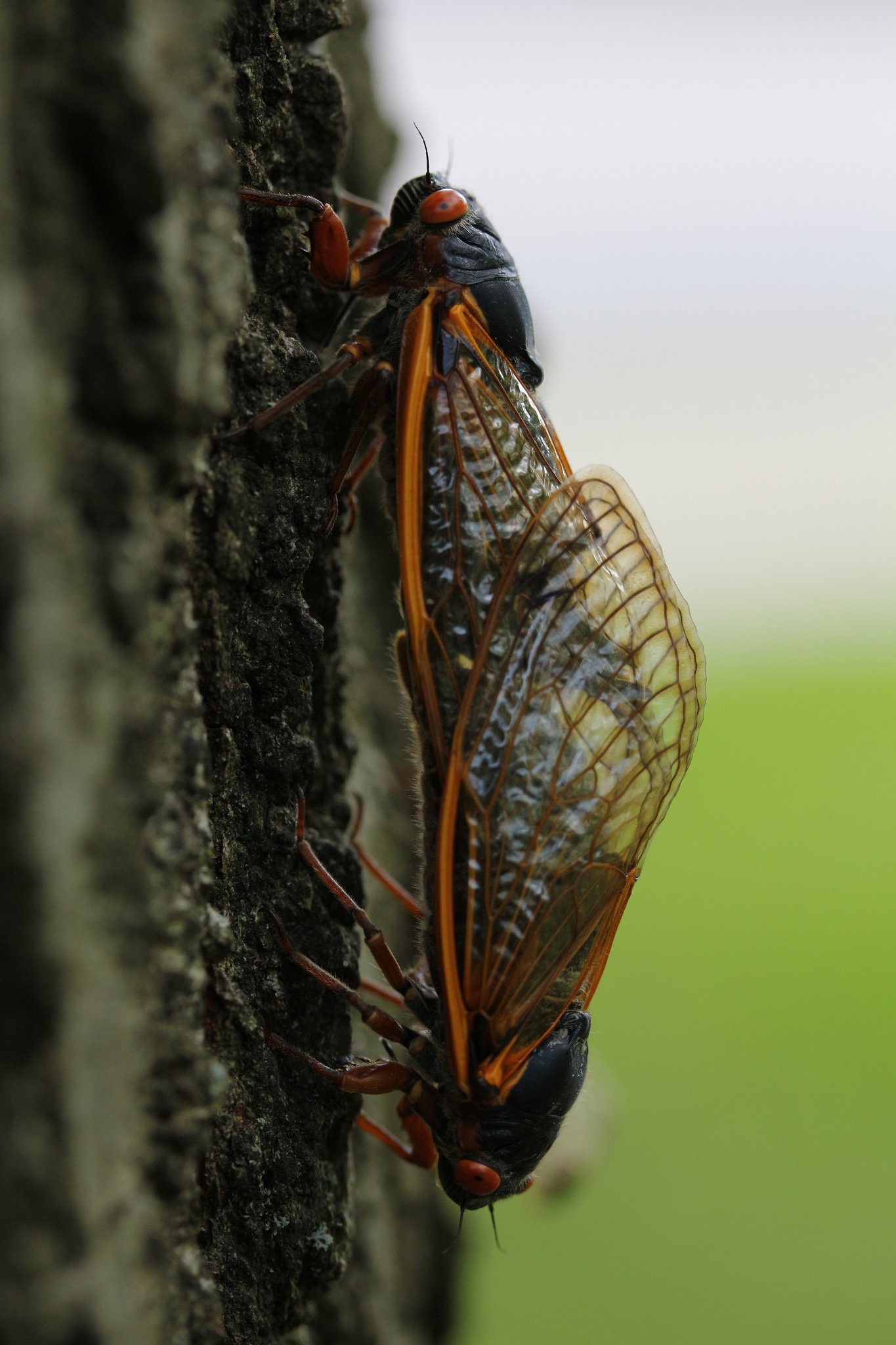
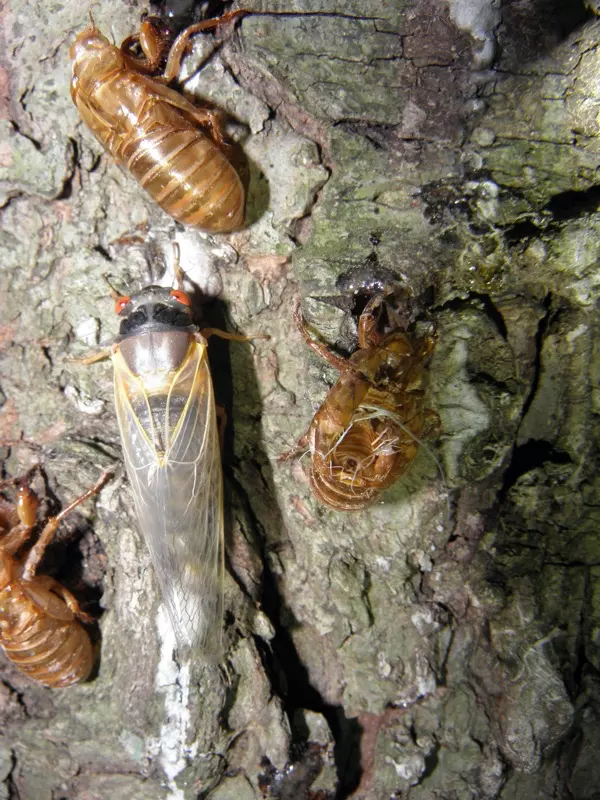
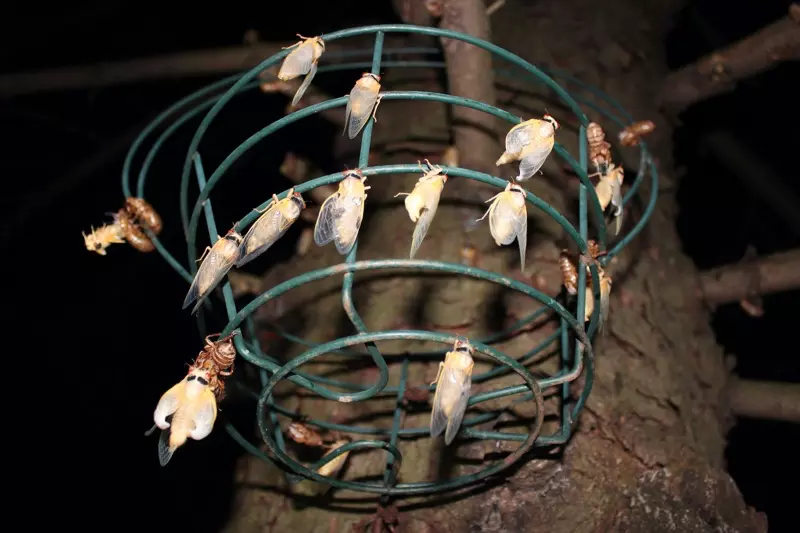
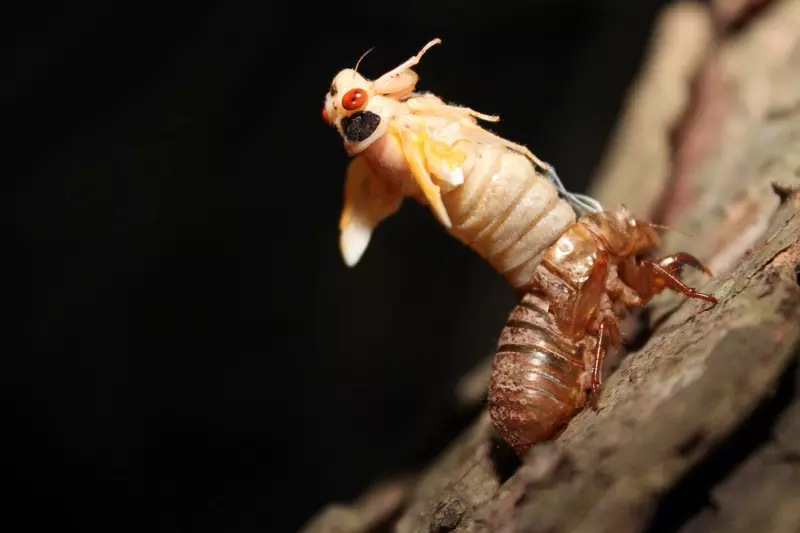
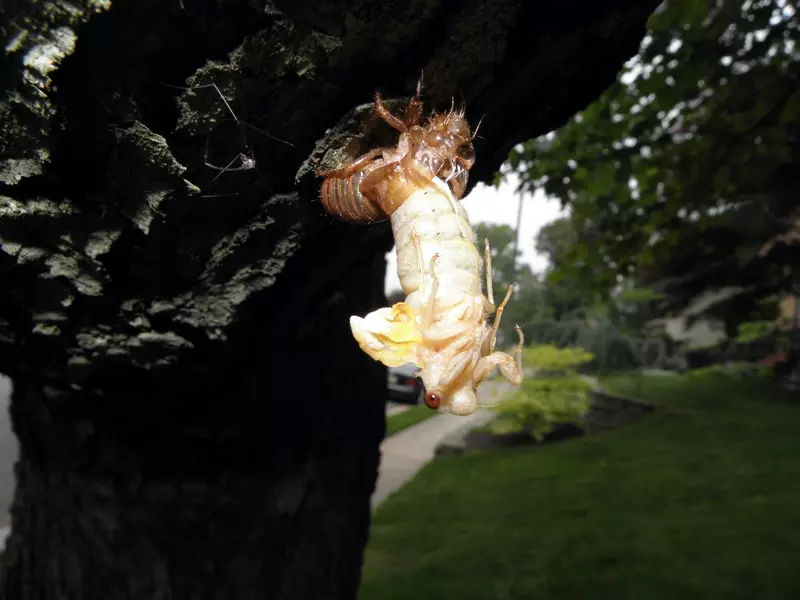
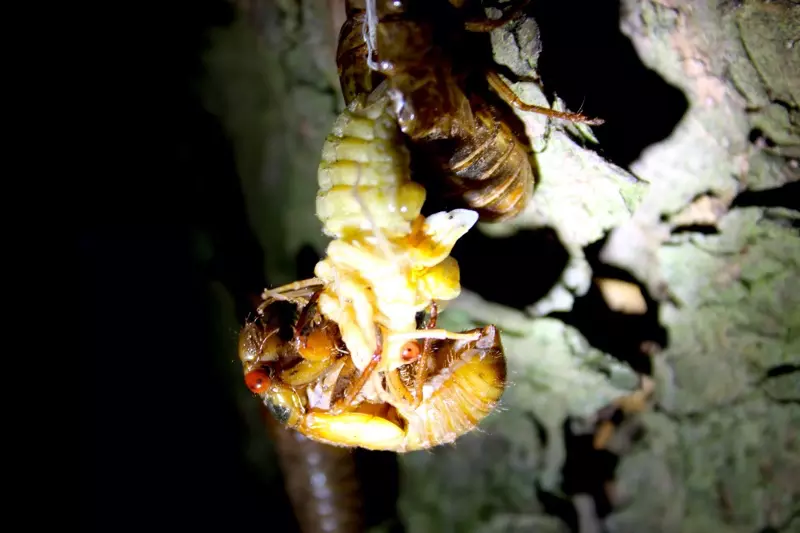
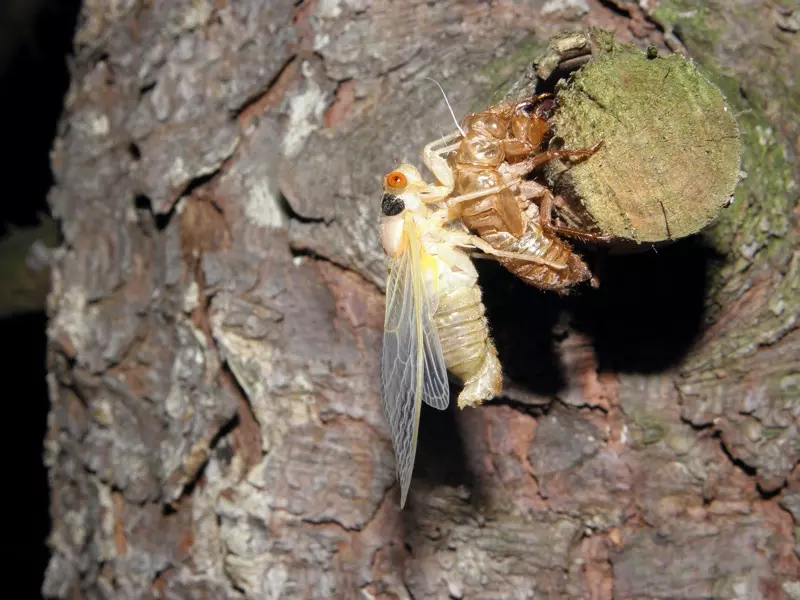
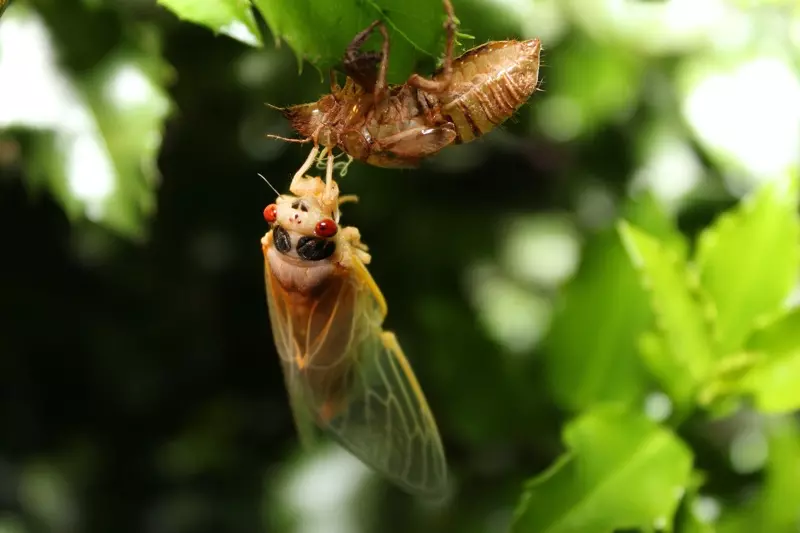
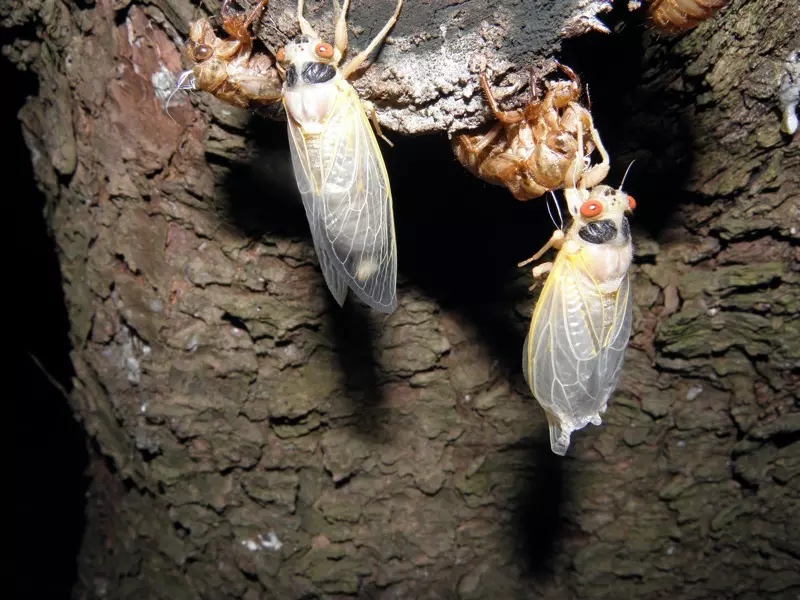
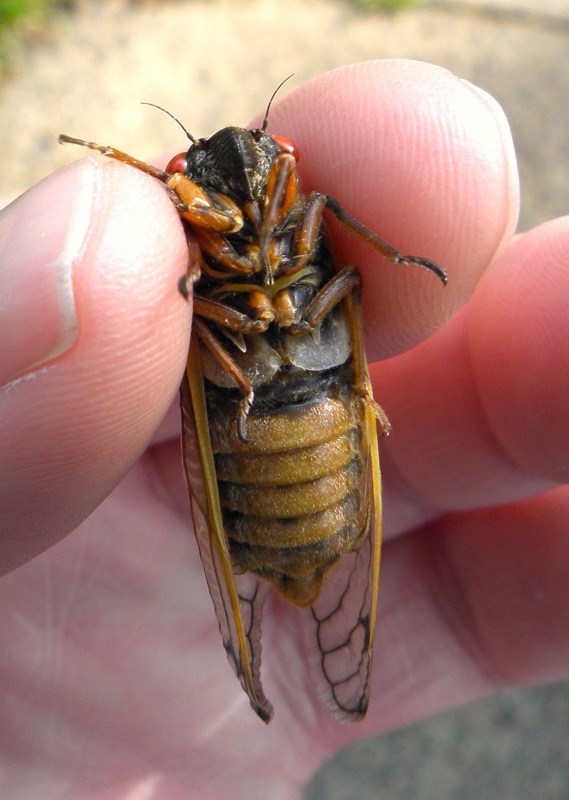
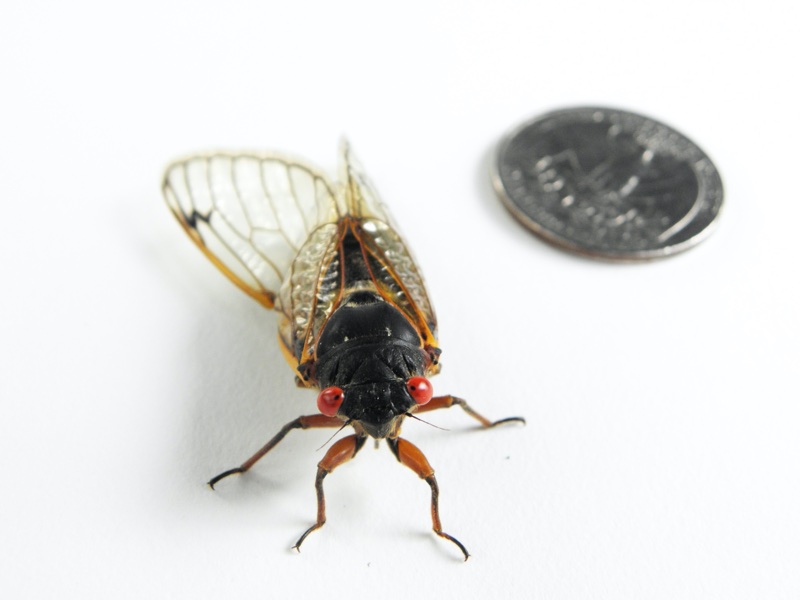
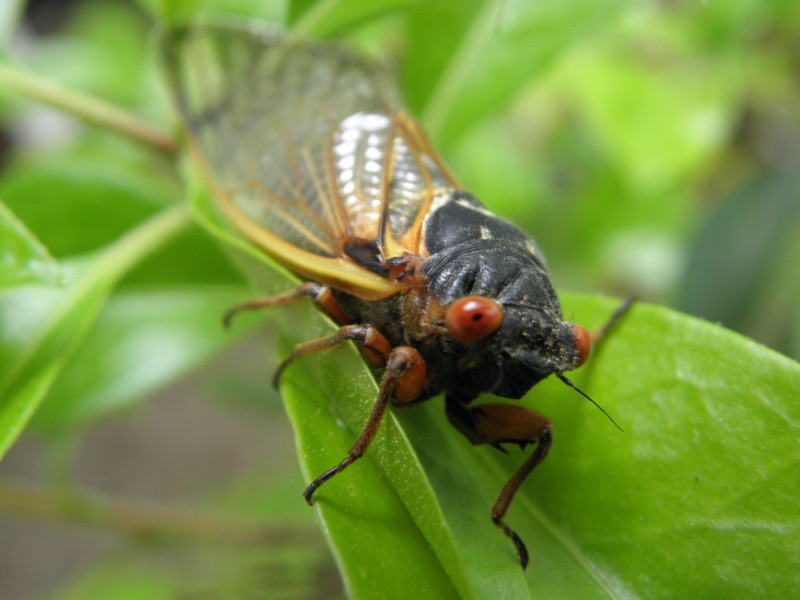
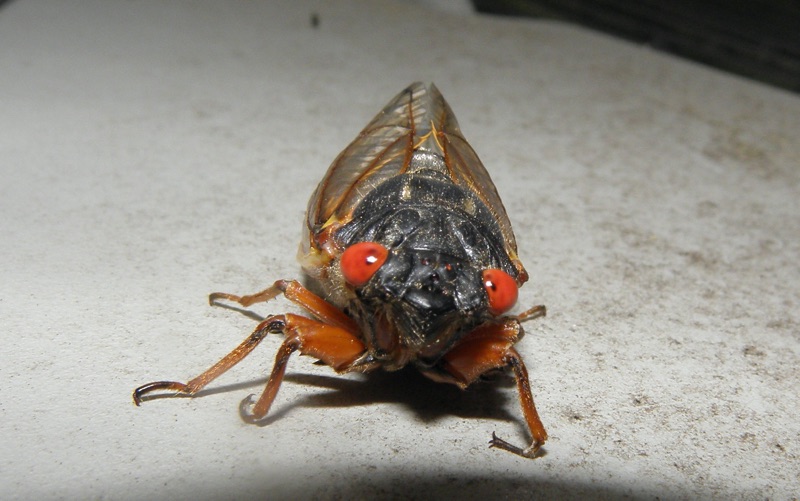
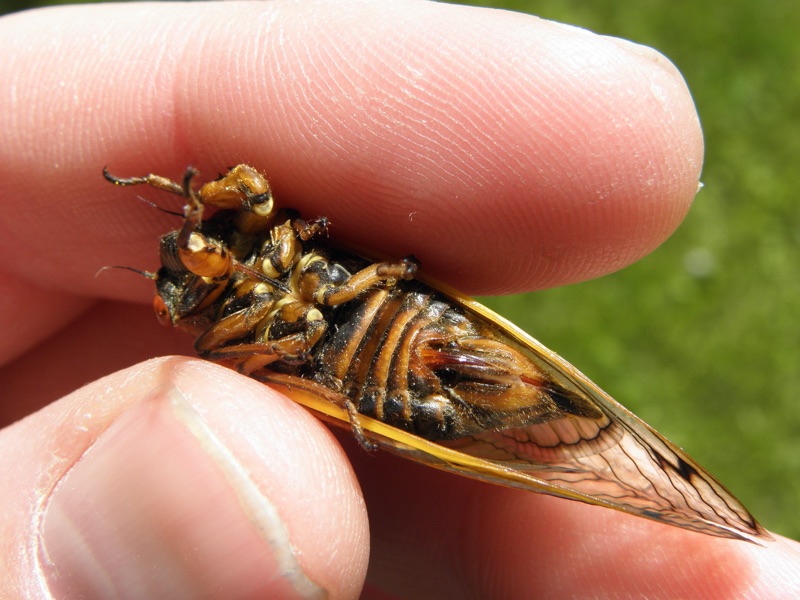
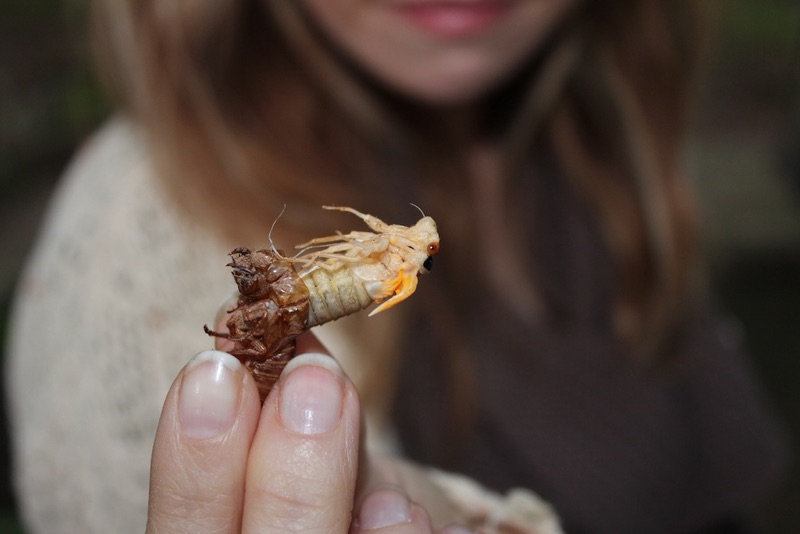
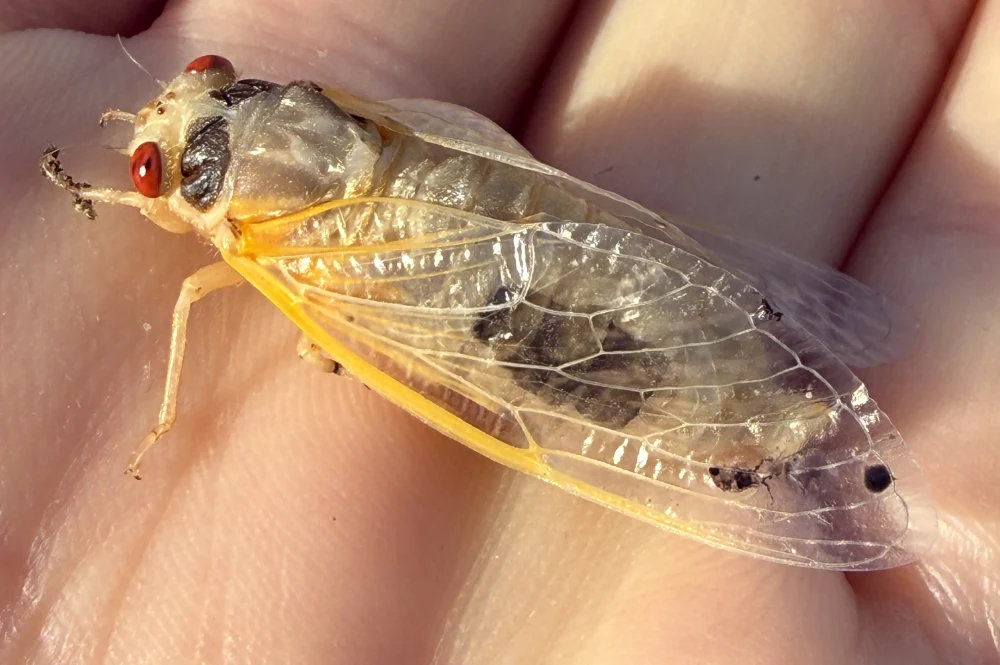
A teneral Magicicada septendecim.
A teneral Magicicada septendecim. ©

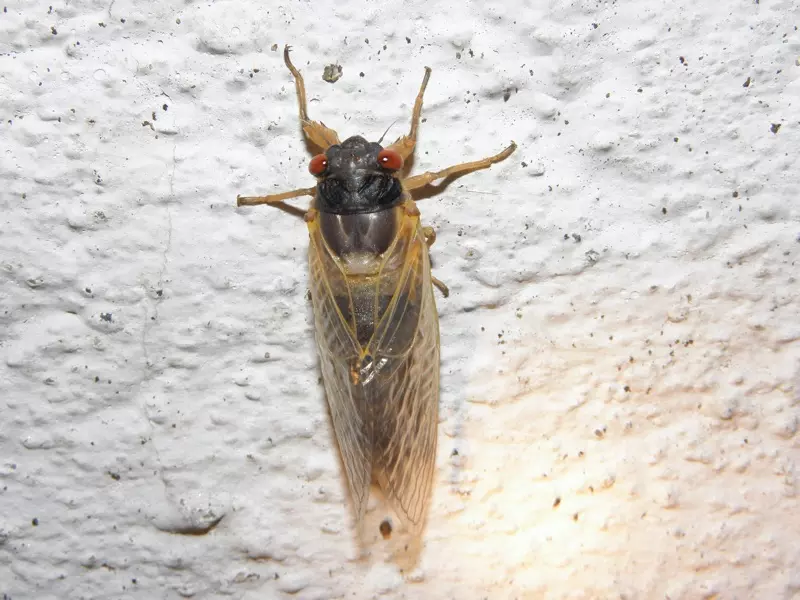
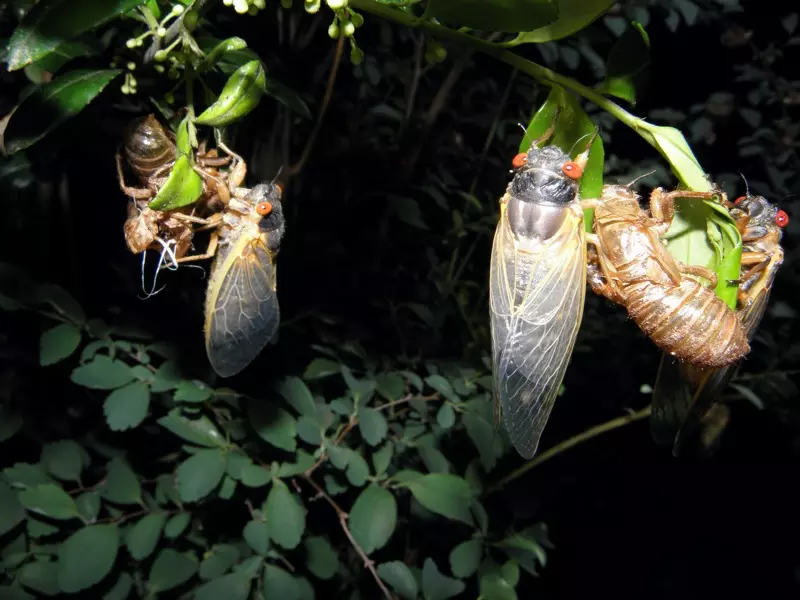
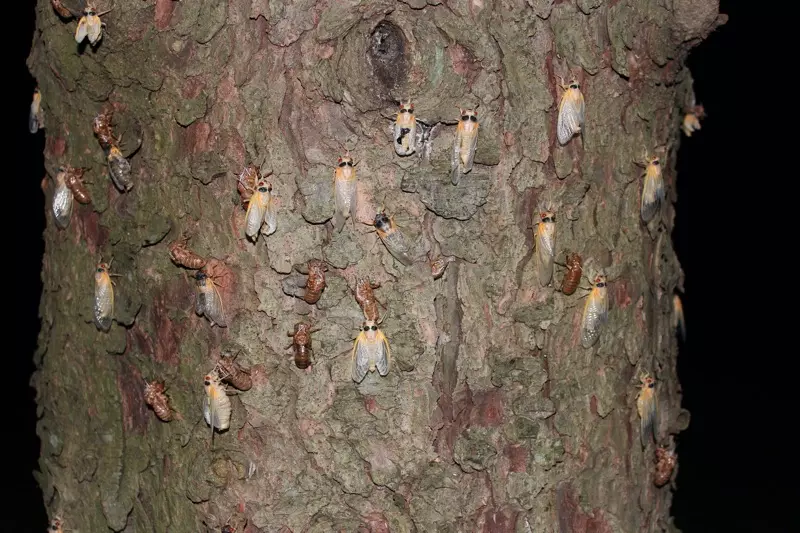
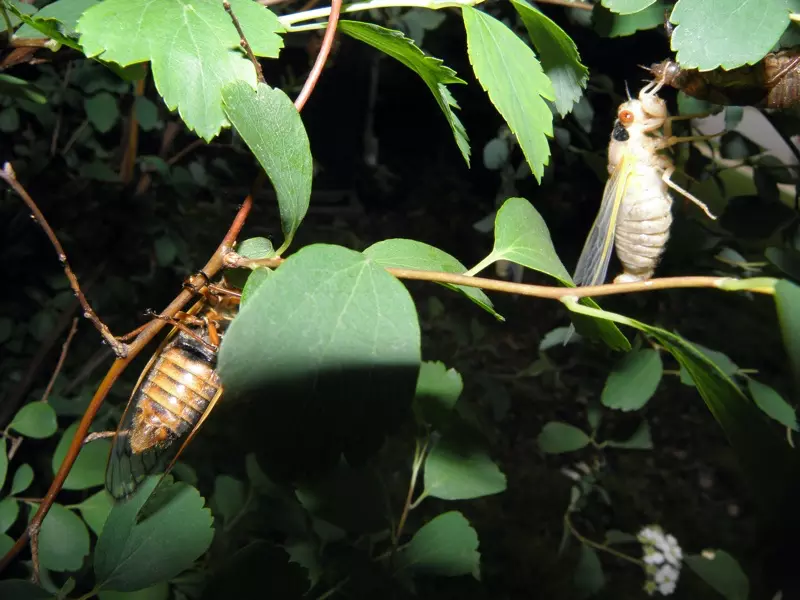
In Metuchen, I observed Pharaoh (Magicicada septendecim) cicada nymphs emerging from the ground and molting. I observed a nymph with Massospora fungus. In Edison, at Roosevelt Park, along with cicada super-fans Elias Bonaros and Cameron Marietta, I observed Magicicada cassinii emerging and molting. In Mountainside, at the Watchung Reserve, I saw exit holes and heard a Pharaoh “long calling”, which they do when they’re having difficulty finding a mate (because there are few females around to mate with (because they’re stragglers)).

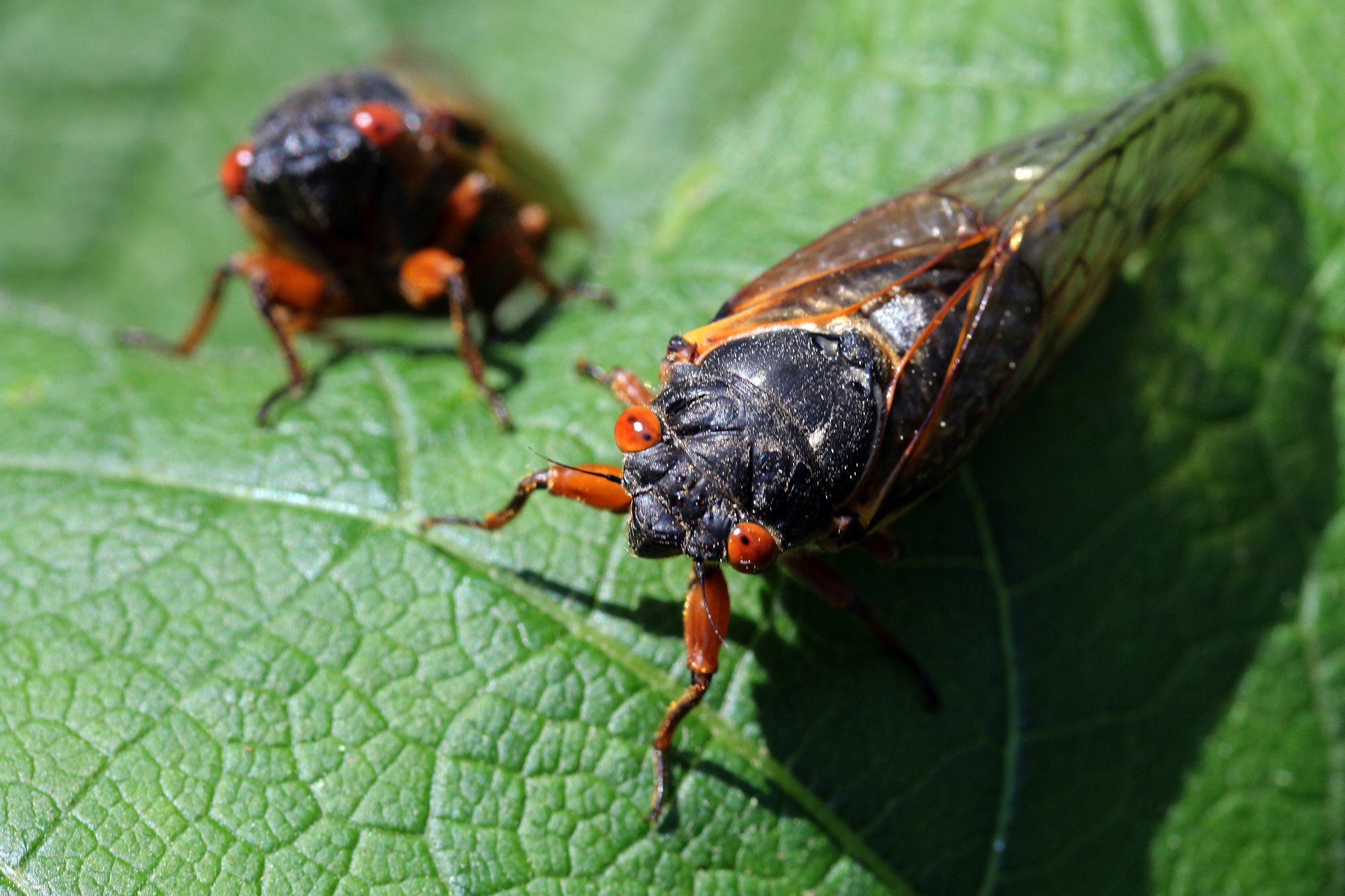
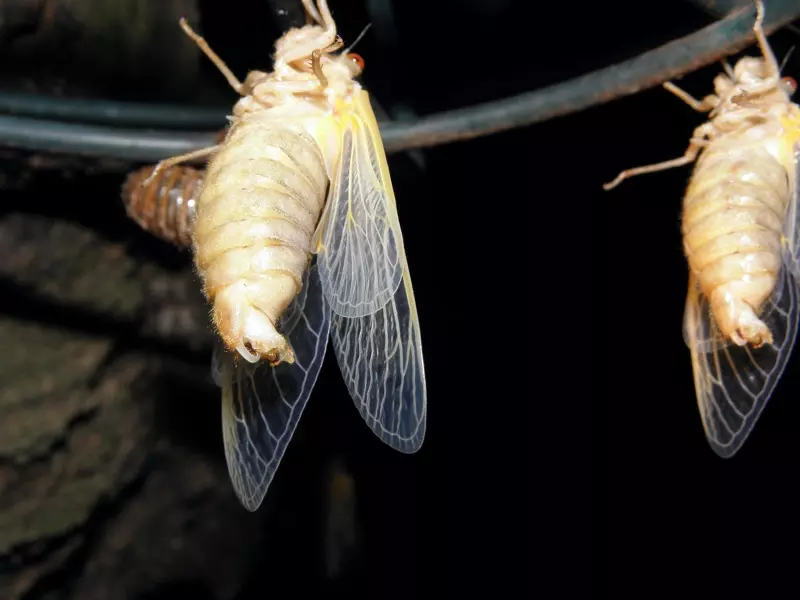
A teneral Magicicada septendecim. ©
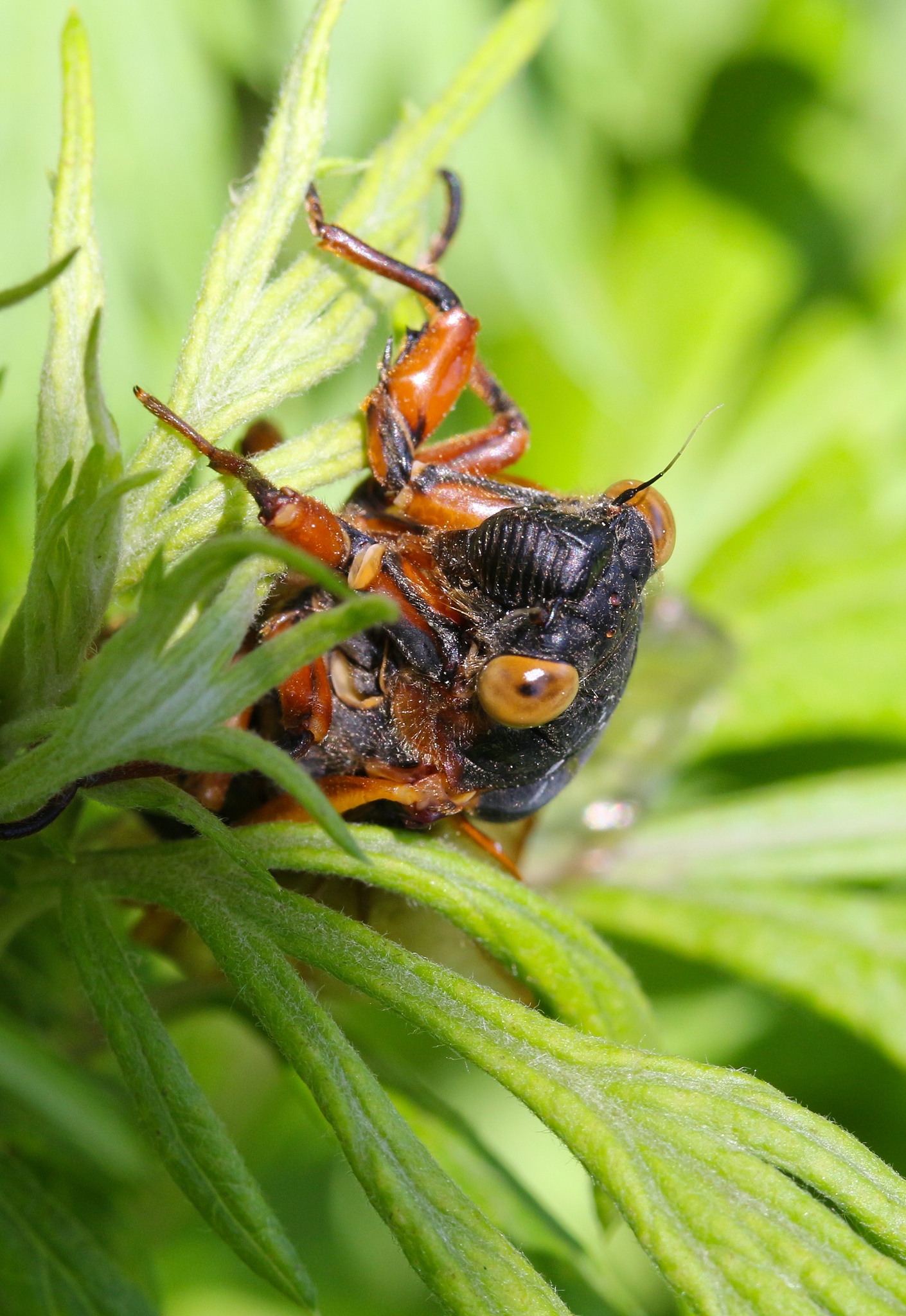
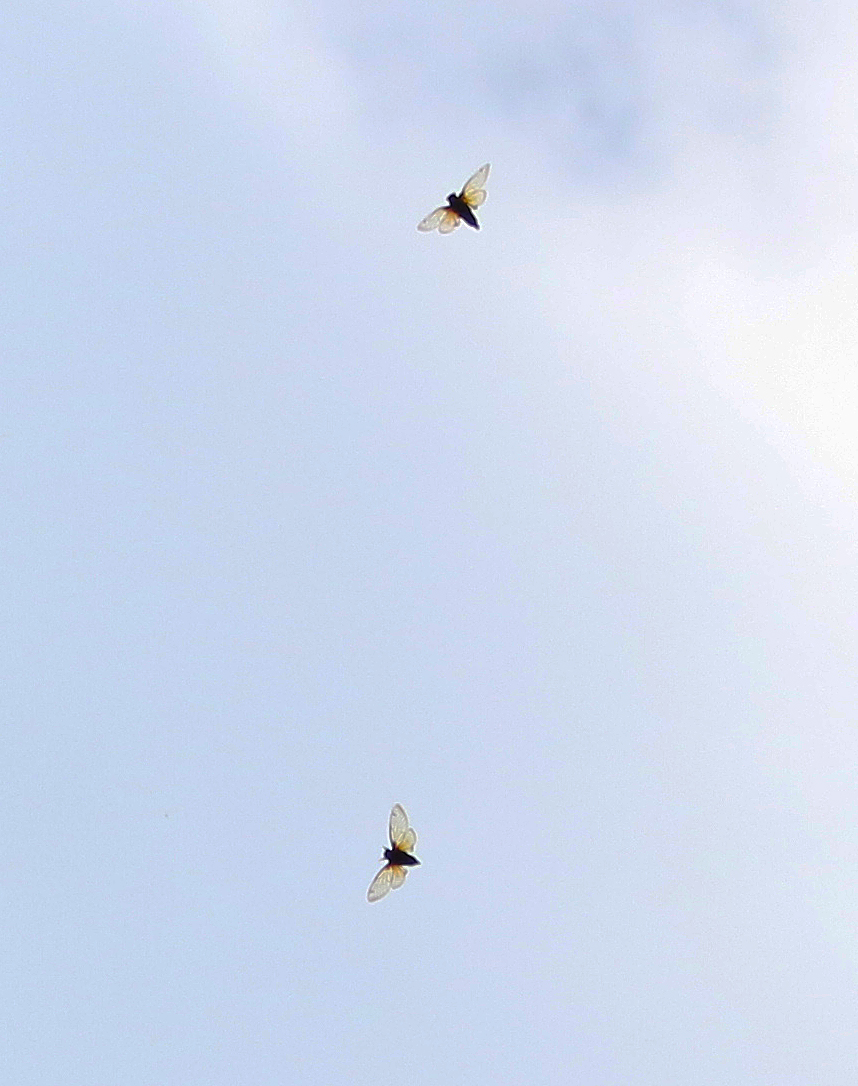
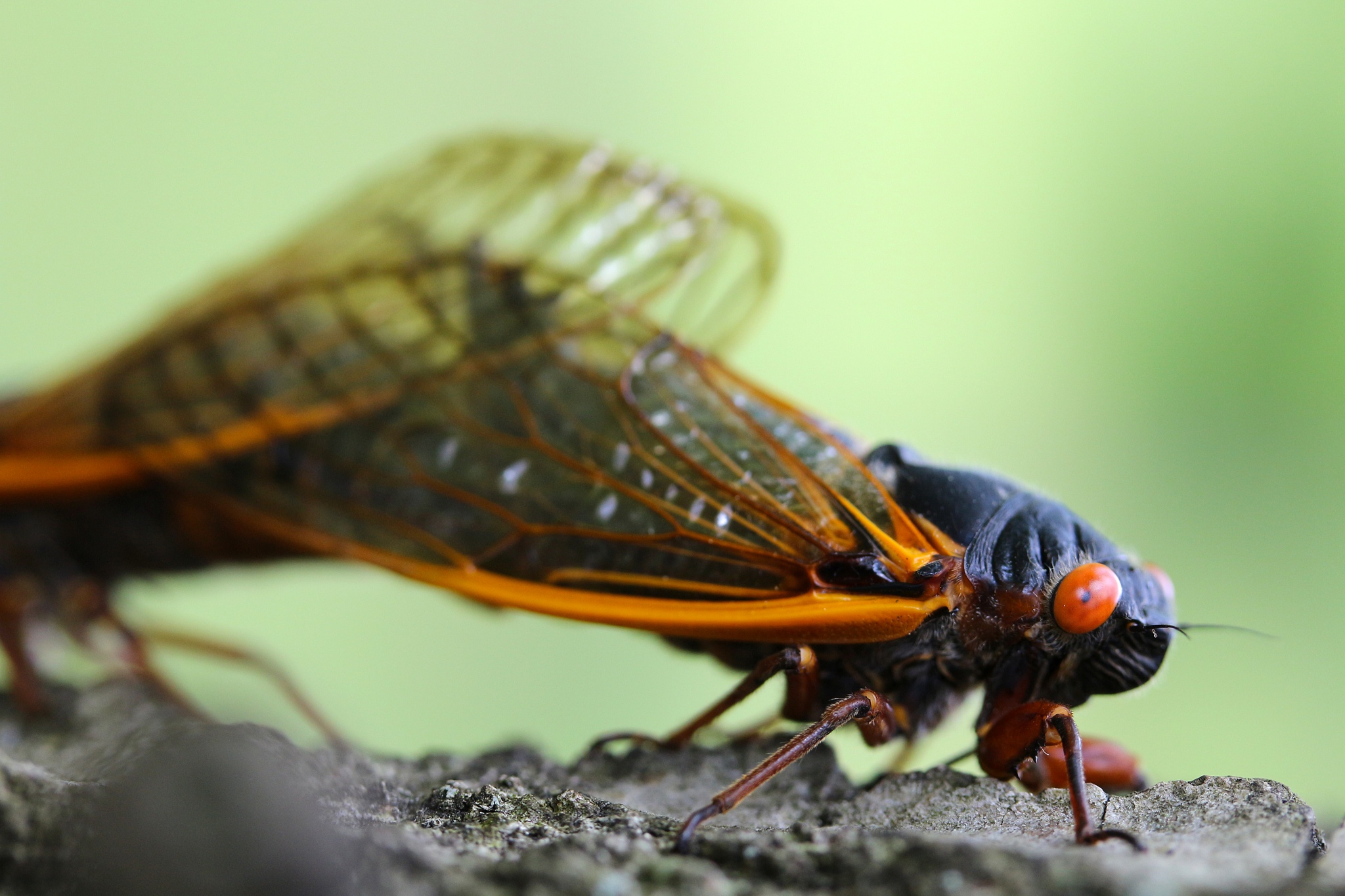
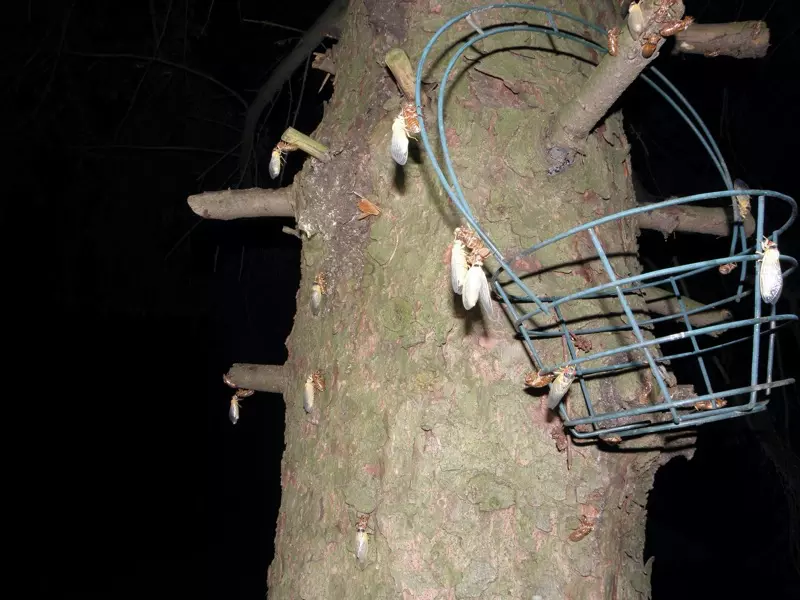
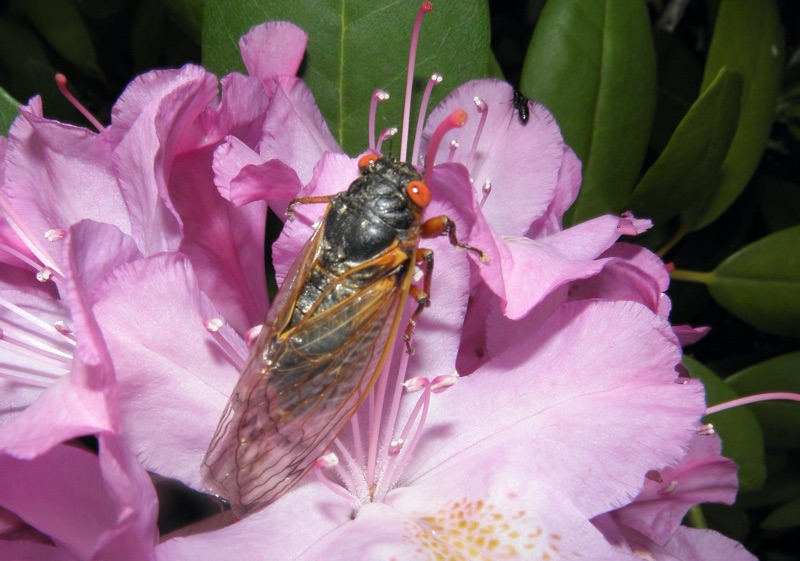
Magicicada septendecim. ©

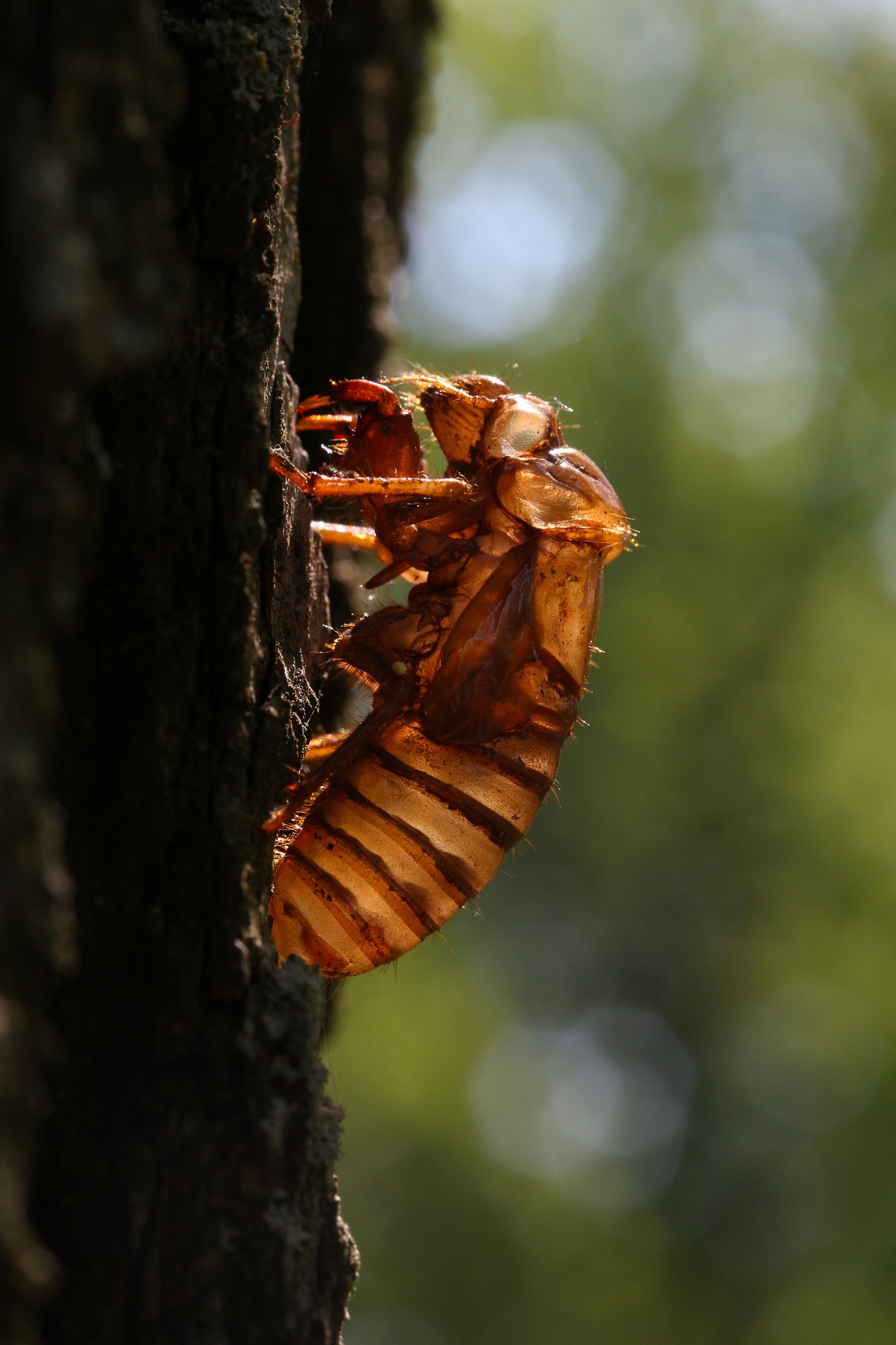
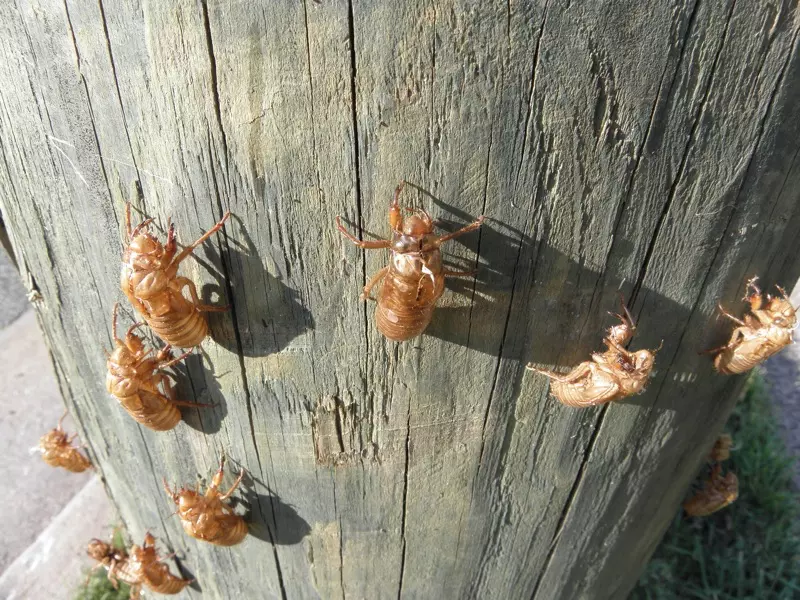
I accompanied cicada expert John Cooley, his daughter, and Elias Bonaros to look for signs of stragglers in Metuchen, Edison, Fanwood and Scotch Plains. We observed exit holes and exuvia (molted nymph skins) in all locations. John Cooley recorded data on exit hole density and exuvia.

It is worth noting that the mythical Brood XV in Fanwood, New Jersey seems to be just Brood II stragglers.

All things considered, the chance to observe straggling Magicicada was a rare treat, and now I have a reason to live until 2030 when the rest of Brood II will emerge.

Here’s a compilation of 2026 video from New Jersey:

Here’s a video of a Magicicada septemdecim long-calling in the Watchung Reservation:

Categories
Brood II Magicicada Periodical Periodical Stragglers

In search of Brood XV (15)

Am I part of Brood XV?

Update (6/10/2026): As much as I would love to say that there is a Brood XV in the Fanwood, New Jersey area, it appears that Magicicada cicadas appearing in 2026 are members of Brood II emerging 4-years early. We did find holes and exuvia (skins) in the Fanwood area (see iNaturalist), but no adult cicadas and no singing. There were no massive numbers of cicadas, singing, mating, and ovipositing. Brood XV is a myth based on Brood II straggling.

Magicicada periodical cicadas are categorized into broods (see brood chart). Each brood has a unique 17 or 13-year interval of time where cicadas hatch, burrow into soil, tunnel underground feeding off roots for 99% of their life, emerge as nymphs, molt, fly, gather, scream, and reproduce.

Brood II has been emerging every 17 years possibly for millennia. The last times it emerged was in 2013, 1996, 1979, 1962… minus 17 years … back as far as we know. The next time Brood II cicadas will emerge is in 2030.

Sometimes broods “straggle” though. A number of Magicicada will emerge four years earlier than expected, deviating and potentially breaking away from the rest of the brood. In theory, if stragglers are abundant enough, they can form what is called a “shadow brood”, as long as their offspring survive and perpetually reproduce. A shadow brood of Brood II, based on 4-year stragglers, would become Brood XV(15), and would emerge in 2026. There’s more information about stragglers and “spurious broods” on the UCONN Cicada site.

This year, 2026, while we’re looking for 4-year Brood II stragglers we will also look for evidence of an established Brood XV. There are credible reports by cicada researchers Chris Simon and Elias Bonaros that Brood XV may exist in New Jersey in Union County, specifically Fanwood, NJ. Conceivably, an instance of Brood XV could form anywhere Brood II exists — if you’re in Brood II territory, expect the unexpected.

We will definitely be looking for Brood XV this spring. Update: UCONN is referring to this possible brood as Brood XV (Shadow).

So, how can we tell that there is a legitimate Brood XV in place rather than ordinary Brood II stragglers? The key will be the abundance of cicadas. A Brood XV population should resemble a typical on-schedule Brood II population: hundreds to thousands of shed skins (exuvia), hundreds to thousands of adults, chorusing and not just individuals singing alone, noticeable mating and egg laying; a Brood XV should last 2-4 weeks. Ordinary Brood II stragglers should arrive in far fewer numbers: dozens per acre not thousands, individual songs but no choruses, little to no mating or egg laying; birds should pick off most of the stragglers so they will not last long. While it is possible to have a pure straggling event that seems full brood emergence event (see Princeton in 2017 for Brood X stragglers), most of the time you’ll find one or two adults per suburban yard.

Here are some related comments from way back in 2009 discussing Brood II stragglers and a possible Brood XV:

Our NJ town (30 miles west of Manhattan) is covered in Magicicadas. Can they be straggers when the entire town is covered in them? Here are some photos I took today: Photo Album

Comment by Charlene — May 22, 2009 [AT] 6:49 pm

Charlene, yes, they’re stragglers even though there are so many. They’re stragglers by virtue of the fact that they’re arriving 4 years early.

Comment by Dan — May 22, 2009 [AT] 7:02 pm

Thanks to Charlene’s post I went to Fanwood. found 7 tenerals and captured one nymph which will eclose here in the comfort of my home. Heard some light M. septendecim choruses. did not see any M. cassini or M. septendecula. Some trees where covered with at least 100 exuvia. Some had none. The question is have we seen the maximum yet or is it just starting? Please keep an eye out for further emergence sites here in the North East.

Comment by Elias — May 25, 2009 [AT] 1:10 pm

Update on my mini colony that is being kept alive in a Butterfly pavilion. One young male started to sing today. The amplitude is very low. Also a female in the cage responded with wing flick signalling. Brought home 8 from New jersey, 6 still alive. Today is Day #4. Next couple of days may need to look in Staten island or back to Fanwood. Anyone have any other reports? I know the weather is terrible. We need some sunshine!!

Comment by Elias — May 28, 2009 [AT] 8:17 pm

Notes:

  • It is theorized that all broods are shadow broods of another brood. Brood II <-- Brood VI <-- Brood X <-- Brood XIV. When Magicicada straggle in enormous numbers they can form new broods offset by 4 or 1 years, which is why we have 13-year broods (mostly in the warmer south) and 17-year broods (mostly in the colder, glacier-prone north) with the difference being 4 years. Read: K S Williams, C Simon. 1995. The Ecology, Behavior, and Evolution of Periodical Cicadas. Annual Review Entomology. 40:269-295. https://doi.org/10.1146/annurev.en.40.010195.001413
  • Broods are named and numbered using Roman Numerals. C.L. Marlatt devised this naming convention. The letter I = 1, II = 2, III = 3, IV = 4, V = 5, VI = 6, VII = 7, VIII = 8, IX = 9, X = 10, XIII = 13, XIV = 14, XIX = 19, XXII = 22, XXIII = 23. 17-year broods are named I-XVII (1-17) and 13-year broods are named XVIII-XXX (18-30), though many do not exist.
  • 17-year broods, twelve exist (I, II, III, IV, V, VI, VII, VIII, IX, X, XIII, XIV), one is extinct (XI) and four missing broods (XII, XV, XVI, XVII) either never existed or went extinct before recorded history.
  • Of the thirteen possible 13-year broods, three exist (XIX, XXII, XXIII), one is extinct (XXI) and nine either never existed or went extinct (XVIII, XX, XXIV, XXV, XXVI, XXVII, XXVIII, XXIX, XXX)
  • Only a pair of 13-year and 17-year broods can emerge in the same year. XIII and XIX co-emerged in 2024.Two or more 17-year broods cannot emerge in the same year. Two or more 13-year broods cannot emerge in the same year.
  • Whenever I write about brood numbering or the fact that 17 and 13 are prime numbers, I feel like Scott Steiner explaining the mathematic possibility of beating him.
Categories
Brood II Magicicada Periodical Stragglers

2026 Brood II Straggler game plan

Brood II, a brood of Magicicada found in Connecticut, Georgia, Maryland, North Carolina, New Jersey, New York, Oklahoma, Pennsylvania and Virginia, is set to emerge in the year 2030, but some Brood II stragglers will emerge in 2026.

Update (6/12/2026): Oklahoma (link to iNaturalist post) and Virginia (link to iNaturalist post) had enough emerge to both survive and chorus — which is a sign that they’ll mate and reproduce. The 2026 Magicicada Stragglers project shows 753 observations to date. Virginia had the most stragglers observations by a wide margin at 414. New Jersey was next with 61, the North Carolina with 57, and New York with 52.

GET READY! If you had an abundance of cicadas back in 2013, you are likely to find a handful in your yard in 2026.

If you see or hear one, report it using the iNaturalist app or website or using the Cicada Safari app. Share your observations on Instagram, TikTok, Facebook, X, Bluesky and YouTube. You can use the hashtag #BroodII. Chat about them on the Facebook Cicada Discussion Group.

Straggler Watch

What is a straggler? A straggler is a periodical cicada that emerges later or earlier than expected. Magicicada often emerge 4 years earlier than expected. You can also call them “precursors” when they emerge earlier.

When to look for stragglers?

  • Stragglers will emerge in the spring sometime between late April and May.
  • Their emergence will be triggered by the warming of the soil where they live. When the soil gets to be approximately 64°F eight inches deep, they will emerge. Air temperatures in the 70s and 80s warm the soil. Warm rain helps as well. Read more about that.
  • Tip: We usually don’t see them emerge until the trees have leaves and purple iris bloom.

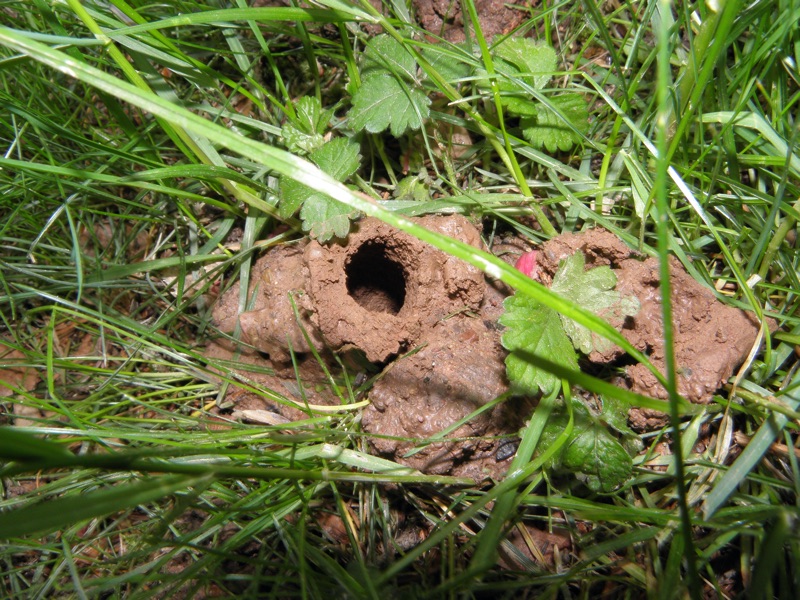
You can also look for cicada chimneys or tunneling cicadas under logs, slates or rocks in April and early May. Look, observe, but do not disturb them.

A cicada chimney is an elevated exit cicadas build above their tunnels:
Cicada Chimney Metuchen Brood II

Where to look for stragglers?

Check this map on the UCONN website. That is where Brood II last emerged.

Hot spots from 2013:

Stragglers found in 2026: Stragglers found

Connecticut (CT)

  • Meriden, CT

New Jersey (NJ)

  • Berkeley Heights, NJ
  • Colonia, NJ
  • Edison, NJ (Roosevelt Park) Stragglers found
  • Flat Rock Brood Nature Center, NJ
  • Iselin, NJ
  • Lewis Morris Park, NJ
  • Maplewood in Essex County, NJ
  • Metuchen, NJ Stragglers found
  • Millburn, NJ
  • Montclair, NJ
  • Mountainside, NJ Stragglers found
  • Plainfield, NJ
  • Scotch Plans, NJ Stragglers found
  • Upper Montclair, NJ
  • West Milford, NJ
  • Westfield, NJ Stragglers found

There might be a “shadow brood”, Brood XV, around the Fanwood, NJ area. This would be a brood established from Brood II stragglers, with a large enough of a population to breed and sustain a new brood offset 4 years from Brood II. We will see.

New York (NY)

  • Cornwall-On Hudson, NY Stragglers found
  • Fishkill, NY Stragglers found
  • Germantown, NY Stragglers found
  • Red Hook, NY Stragglers found
  • Rhinebeck, NY Stragglers found
  • Staten Island, NY Stragglers found
  • Stony Point, NY Stragglers found

North Carolina (NC)

  • Madison, NC Stragglers found
  • Yadkin County, NC Stragglers found

Oklahoma (OK)

  • Oklahoma City, OK Stragglers found

Virginia (VA)

  • Brentsville, VA
  • Charlottesville, VA Stragglers found
  • Doylesville, VA
  • Fredericksburg, VA Stragglers found
  • Front Royal, VA
  • Glen Allen, VA
  • Kinderhook, VA
  • Lake Ridge, VA Stragglers found
  • Louisa County, VA
  • Manassas Battlefield Park, VA Stragglers found
  • Martinsville, VA Stragglers found
  • North Garden, VA
  • Rhoadesville, VA
  • Springfield, VA Stragglers found
  • Stafford County, VA Stragglers found
  • Stanardsville, VA
  • Woodbridge, VA

What do they look like?

They look like this once they’ve molted:
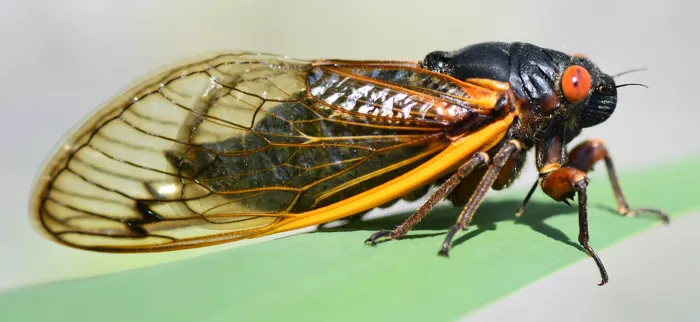
Magicicada
Red eyes (typically), black bodies, orange-black legs and orange-yellow wings.

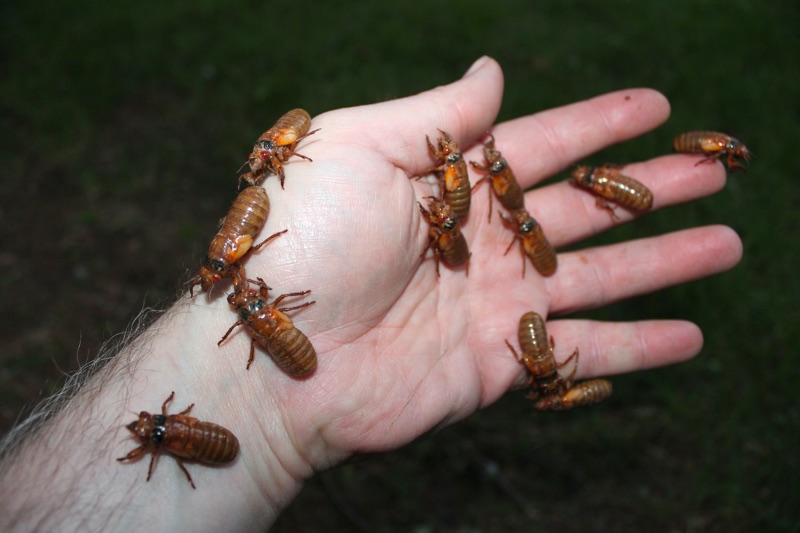
Nymphs that have recently emerged from the ground:
Can I give you a hand _Magicicada nymphs in Metuchen NJ_

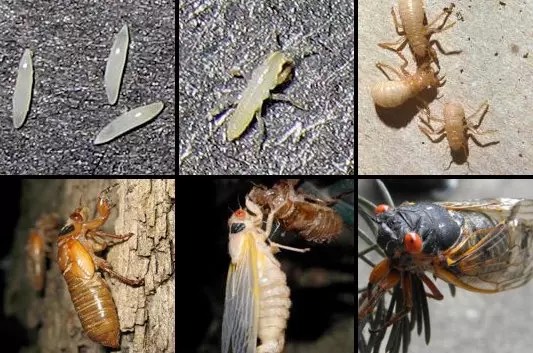
This is each major stage in their life cycle:
Top, Left to Right: cicada egg, freshly hatched nymph, second and third instar nymphs. Bottom, Left to Right: fourth instar nymph, teneral adult, adult. (Photos by Roy Troutman and Elias Bonaros).

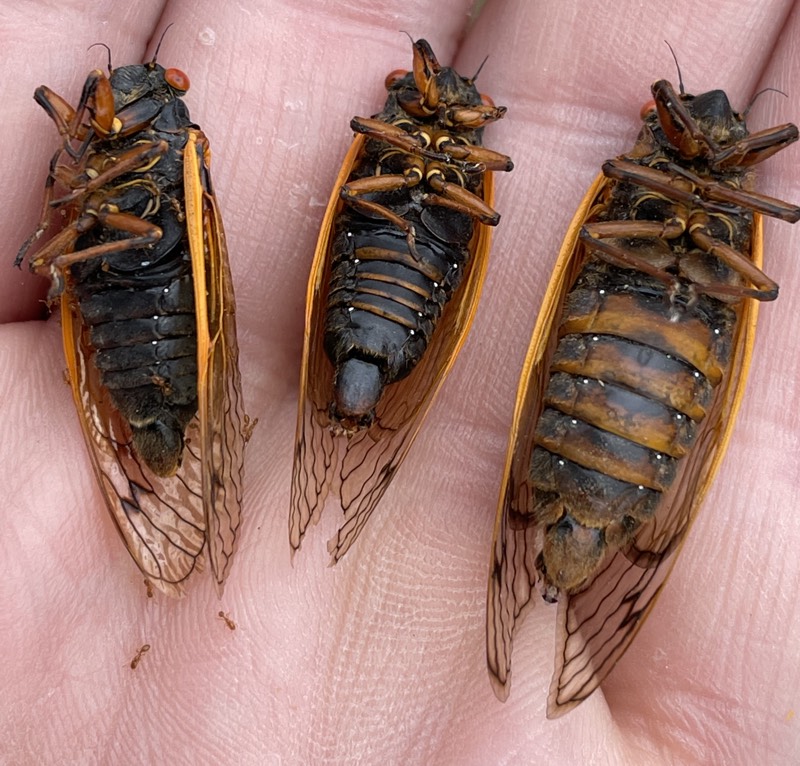
There are 3 types/species of Magicicada in Brood II: Magicicada cassini, Magicicada septendecim, and Magicicada septendecula.

Left to right: Magicicada cassini, Magicicada septendecula, Magicicada septendecim::
Left to right: Magicicada cassini, Magicicada septendecula, Magicicada septendecim:

Categories
Brood II Edward Johnson Elias Bonaros John Cooley Magicicada Periodical Roy Troutman

Roy Troutman’s 2013 Brood II cicada photos, gallery 3

When Roy Troutman visited New Jersey and New York in 2013 for Brood II he took a lot of great cicada photos.

Here is a sample of the best.
Click the images for a larger version.
Also visit Gallery #1 and Gallery #2.

Magicicada molting by Roy Troutman

Magicicada with exuvia by Roy Troutman

Mustard eyed Magicicada septendecim by Roy Troutman

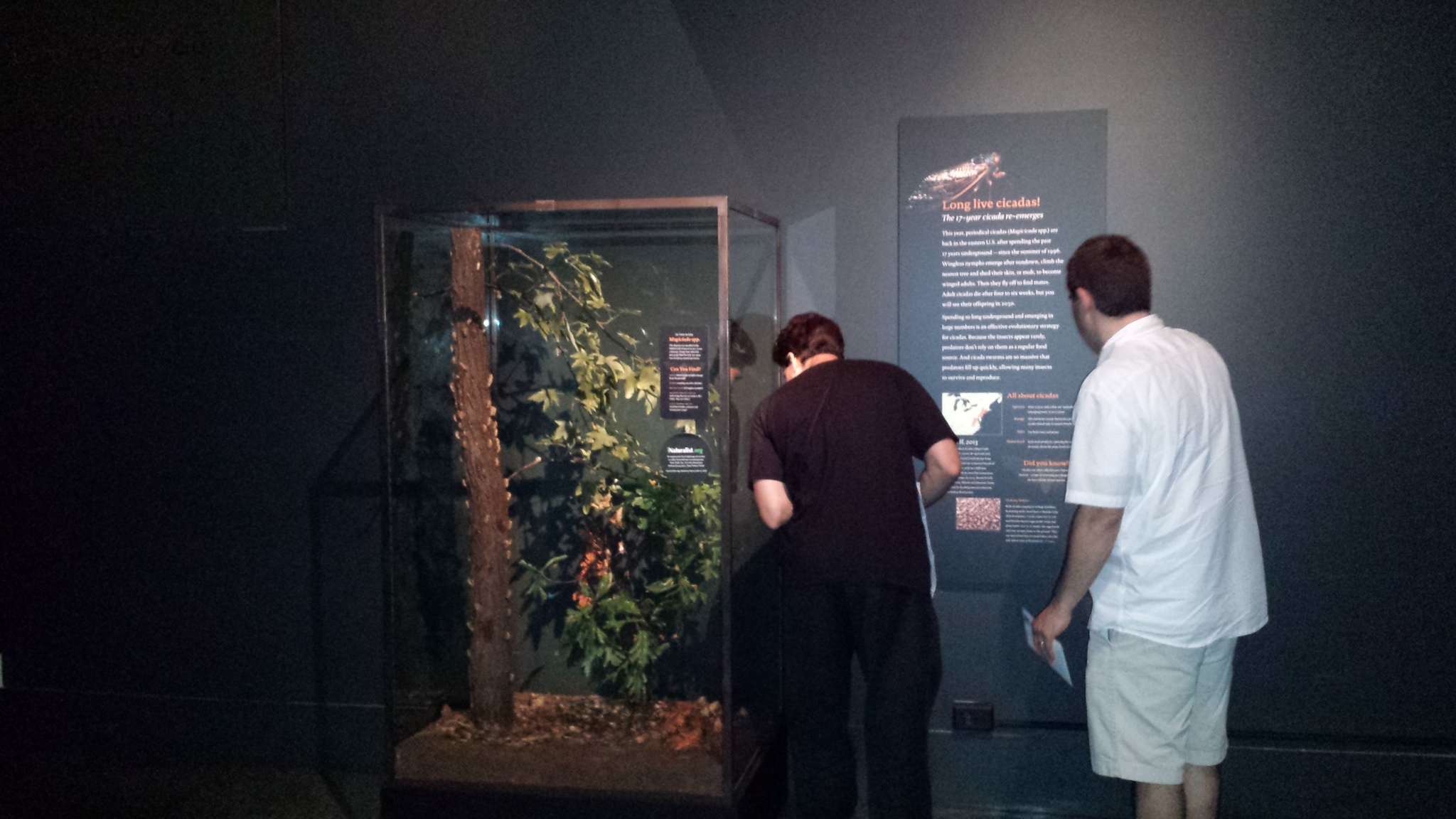
Roy Troutman and Elias Bonaros at the Periodical Cicada display at the American Museum of Natural History, photo by Michelle Troutman
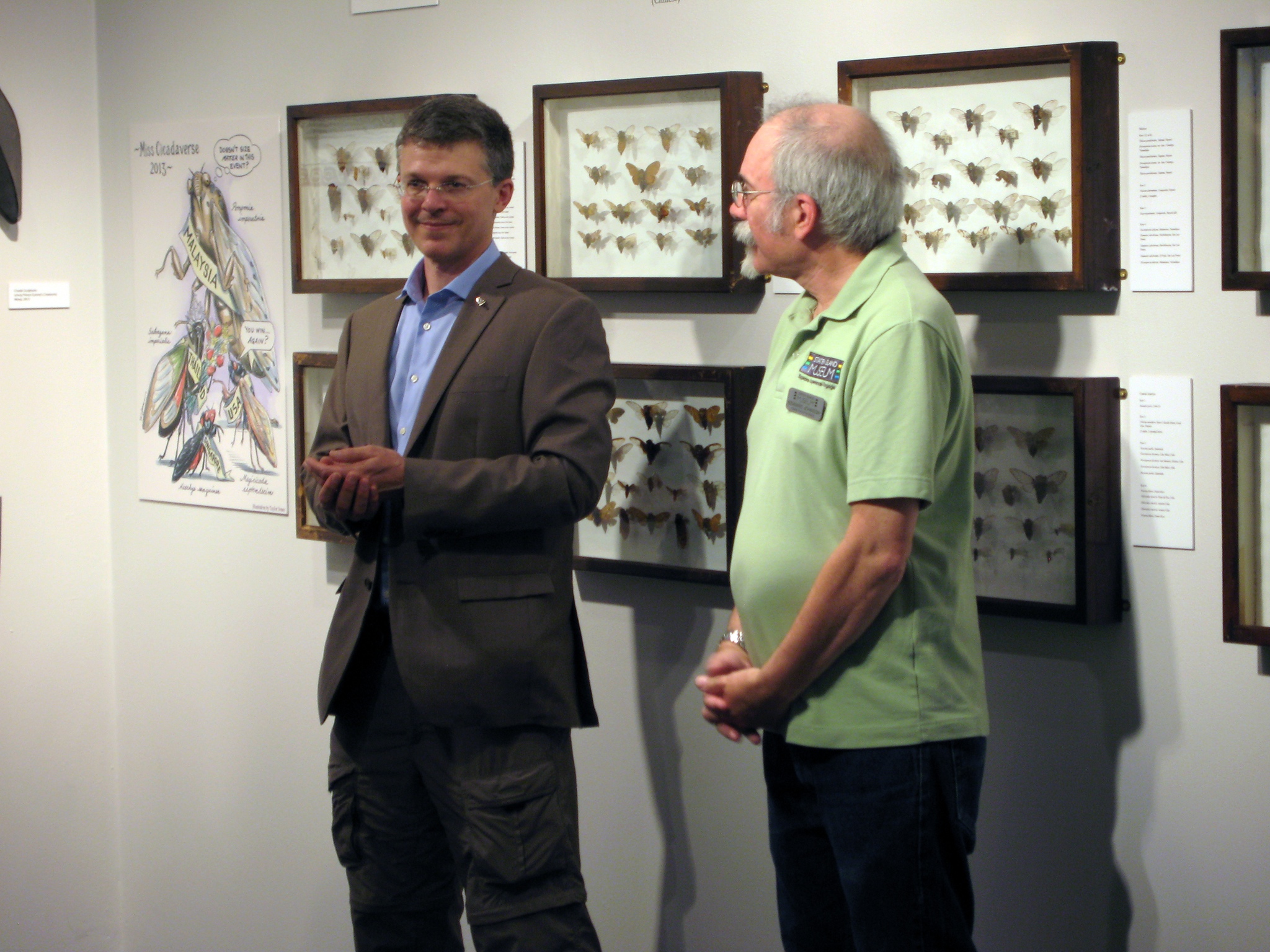
Roy Troutman, John Cooley, Ed Johnson and Dan Mozgai

Roy Troutman, John Cooley, Ed Johnson and Dan Mozgai
Roy Troutman and Elias Bonaros at the Periodical Cicada display at the American Museum of Natural History by Michelle Troutman

Teneral Magicada by Roy Troutman

Categories
Brood II Edward Johnson John Cooley Magicicada Mating Periodical Roy Troutman

Roy Troutman’s 2013 Brood II cicada photos, gallery 2

When Roy Troutman visited New Jersey and New York in 2013 for Brood II he took a lot of great cicada photos.
Here is a sample of the best.
Click the images for a larger version.
Visit Gallery #1 and Gallery #3 as well.

John Cooley and Ed Johnson speaking at the Staten Island Museum Six Legged Sex event by Roy Troutman

Light Up Cicada Sculpture at the Staten Island Museum by Roy Troutman

Magicicada septendecim by Roy Troutman
M. septendecim by Roy Troutman

Magicicada cassini flying inbetween calling in Colonia NJ by Roy Troutman

Magicicada cassini in flight in Colonia NJ by Roy Troutman

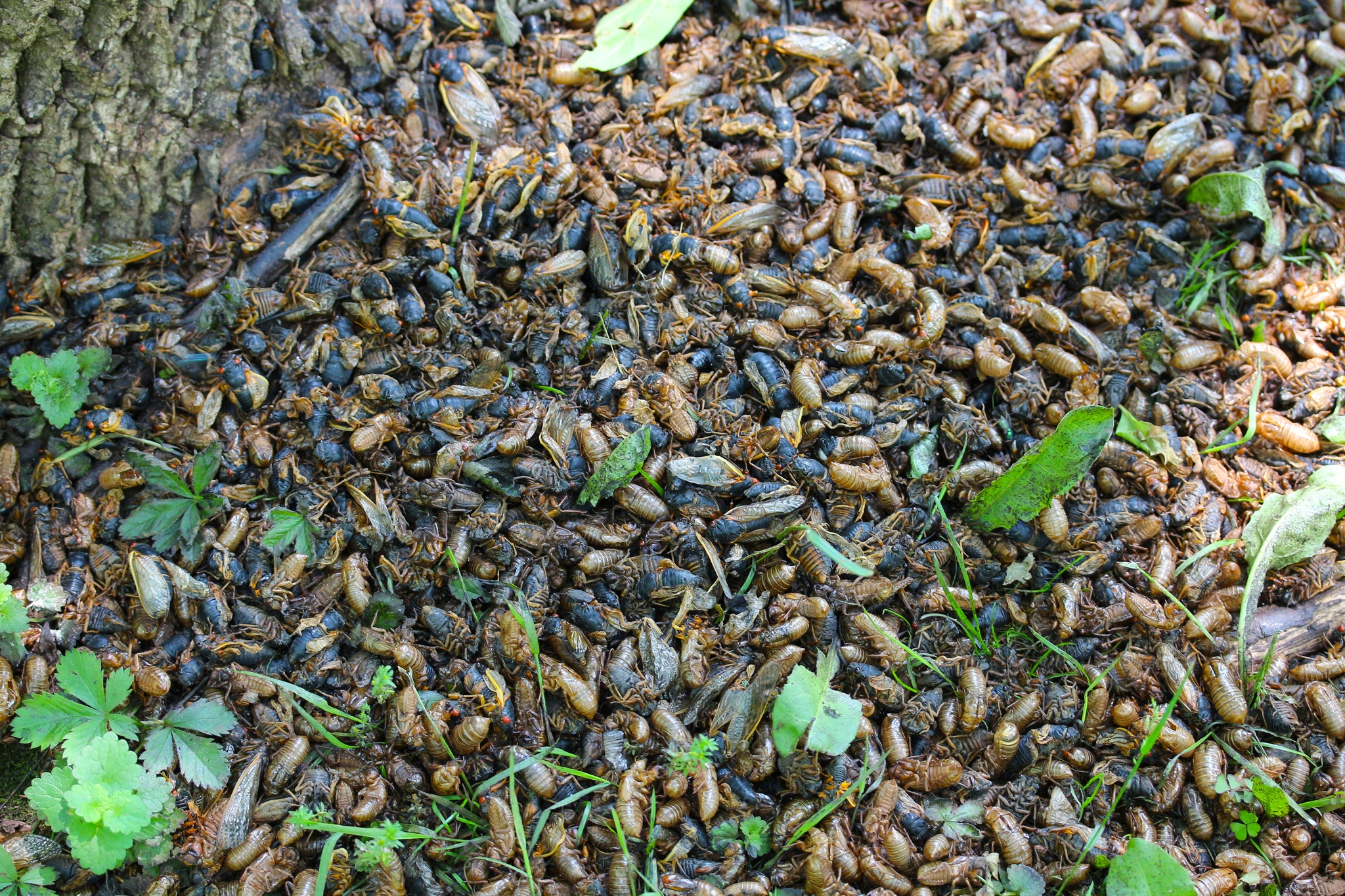
Magicicada corpses and exuvia by Roy Troutman

Magicicada mating by Roy Troutman

Magicicada exuvia by Roy Troutman

Magicicada septendecim mating by Roy Troutman

Magicicada staring at you by Roy Troutman

Categories
Brood II Cicada Mania Magicicada Periodical

Dan’s Cicada Diary for 1996

Here’s something I wrote in 1996 to chronicle the Brood II cicada emergence in 1996. It’s probably meant to be semi-humorous.

Dan’s Cicada Diary for 1996.

Sunday, May 19th: Metuchen, New Jersey; I found the first desiccated cicada nymph exoskeleton on my patio. My cat disappears.

Tuesday, May 21st: I found about 40 nymph exoskeletons on my patio, a pine tree, and a maple tree. I also spotted an adult climbing the maple and two crippled adults rolling about the base of the tree.

Wednesday, May 22nd: Bonanza! I found about 500 adults perched on just about everything in my yard: trees, patio furniture, the foundation of my home, the garden hose, garbage cans, the missing cat’s water dish, my hair…just plain everywhere! Gruesome!

Saturday, May 25th: Avenel, New Jersey; Party at the Ritzow’s. Literally, hundreds of adult cicadas perched high above in oak trees sneer at decadent humans sipping martini’s, playing croquet. Bourgeois homo sapiens…bah humbug!

Thursday, May 30th: Metuchen, New Jersey; Still no sign of the cat. Sitting outside on my patio around 8:30 pm I hear a “snap”, “crackle” and “popping” sound. Rice Crispies? No. More like cicadas nymphs crawling out of their holes and onto my garden wall to molt into adulthood. Not the loveliest sight.

Saturday, June 1st: Westfield, New Jersey; Dave Wilson and Claire Adas’ wedding. A beautiful ceremony and reception, with the exception of the 9000 uninvited cicadas: crawling up people’s legs, crunching underfoot, landing in refreshments…a moment to cherish and remember!

Tuesday, June 4th: North Edison, New Jersey; The cicadas have begun to sing! All together they sound like a Boeing 767 is circling 40 feet overhead. The sound is that awesome. 10 inch deep piles of dying post-coitus adults litter the base of trees. The invasion has only begun!

Wednesday, June 5th – Monday, June 17th: Metuchen, North Edison, Colonia, Avenel, New Jersey; The invasion is in full effect! Homeowners in North Edison and Colonia report having to haul away the dying bodies of cicadas inwheelbarrows! Residents describe the cicadas’ combined mating screams as “loud as a UFO” [how do they know what a UFO sounds like?] and “like a Mack Truck was floating ten foot above your head”! Someone even told me cicadas taste like shrimp! I guess they made the best of a bad situation.

Wednesday, June 26th: Metuchen, New Jersey; It appears the invasion is over. All that remains is the dismembered, rotting corpses and the memories, sweet, sweet, memories. But remember, They’ll be back…in the year 2013!

Saturday, August 3rd: Metuchen, New Jersey; Looking out my second-story window I can clearly see the damage done by the 17-year cicadas. Brown patches of dead leaves speckle local oak and maple trees, revealing the branches where the female cicada has chosen to lay her eggs; an interesting “natural disaster”, but, not as heart-breaking as an earthquake or a flood. Clearly, the most provocative news regarding cicadas is the current hatch of annual cicadas, which are larger than the “17-year” cicadas (thoroughly illustrated within this web page) and greener. Another dissimilarity is the difference in their respective mating calls: while the “17-year” cicada makes a whirring sound somewhere between the motor of a vacuum cleaner and a car alarm, the “annual” cicada sounds more like a lawn sprinkler or maybe a sewing machine. Although I can clearly hear hundreds of “annual” cicadas and I have found their shells, I haven’t visually located a single one! Another cicada-related event has been the recent hatch of “cicada killer” wasps. These two-inch long giant wasps only prey upon, our friend, the defenseless cicada. I haven’t located these creatures either, but, they are definitely out there. Cicadas beware!

Wednesday, August 26th: Metuchen, New Jersey; the Tibicen cicadas continue to sing…

Wednesday, November 6th: Metuchen, New Jersey; they are all dead or sucking on roots underground.
Categories
Brood II Magicicada Molting

Molting & Molted cicadas – Brood II Magicicada from Metuchen, New Jersey (2013)

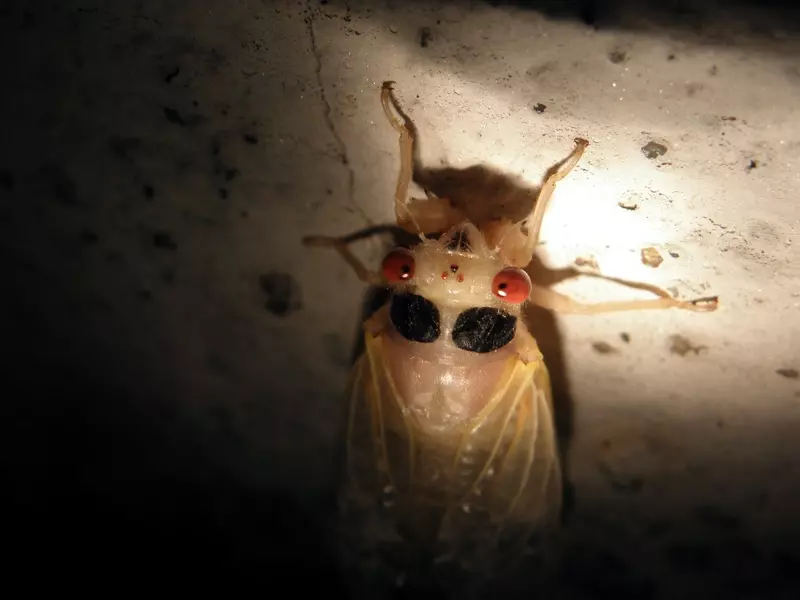
This is a series of molting and recently molted teneral (soft) cicadas from the 2013 Brood II Magicicada emergence in Metuchen, NJ.
Click/tap the image for a larger version.

A teneral Magicicada septendecim in Metuchen, NJ
A teneral Magicicada septendecim in Metuchen NJ

A tisket, a tasket, cicadas on a basket
A tisket a tasket cicadas on a basket

Molting Magicicada in Metuchen, NJ
Ecdysis Magicicada Metuchen NJ

Magicicada emergence in Metuchen, NJ
Magicicada Emergence Metuchen NJ

Magicicada exuvia Metuchen, NJ
Magicicada Exuvia Metuchen NJ

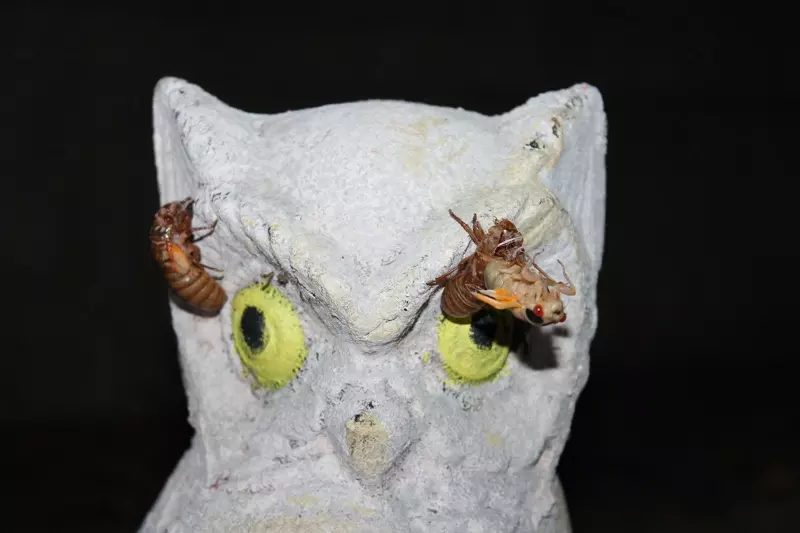
Magicicada nymph and teneral adult on an owl

Magicicada molting in Metuchen, NJ
Magicicada undergoing ecdysis Metuchen NJ

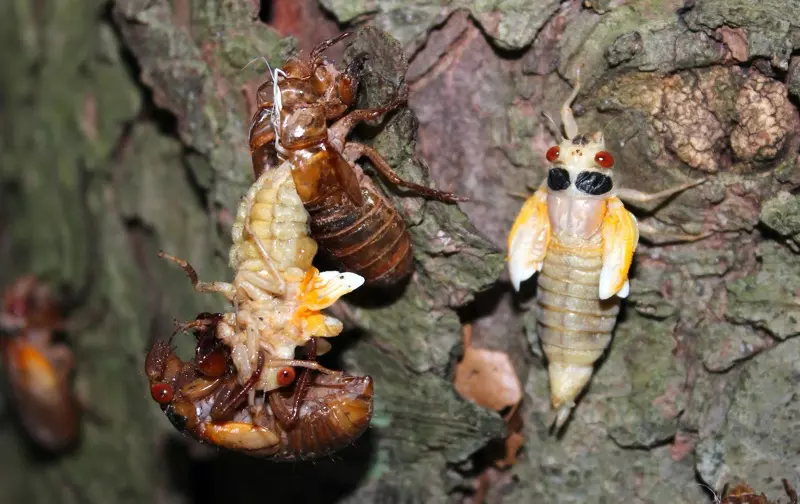
Magicicadas in various stages in Metuchen, NJ
Magicicadas in various stages in Metuchen NJ

Nymph crawling on Magicicada molting in Metuchen, NJ
Nymph crawling on Magicicada undergoing ecdysis in Metuchen NJ

Teneral Magicicada cassini in Metuchen, NJ
Teneral Magicicada cassini in Metuchen NJ

Teneral Magicicada in Metuchen, NJ
Teneral Magicicada Metuchen NJ

Teneral Magicicada in Metuchen, NJ
Teneral Magicicada Metuchen NJ

Teneral Magicicada septendecim in Metuchen NJ

Teneral Magicicadas on a spruce tree
Teneral Magicicadas on a pine tree

Teneral male Magicicada in Metuchen, NJ
Teneral Male Magicicada Metuchen NJ

Two male Magicicada cicadas
Two Male Magicicada

Two teneral male Magicicadas Metuchen, NJ
Two Teneral Male Magicicadas Metuchen NJ

White teneral Magicicada in Metuchen yes they are white when they emerge

Other galleries in this series:

Categories
Brood II Magicicada Massospora

Dead Specimens – Brood II Magicicada from Middlesex County, New Jersey (2013)

Photos of dead specimens from the Brood II Magicicada emergence in Middlesex County, NJ, in 2013.

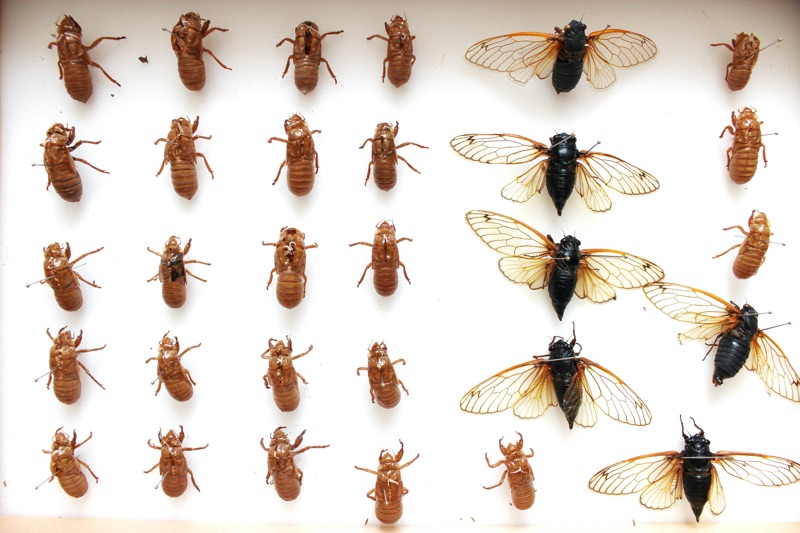
Brood II Magicada collection from 2013:
Brood II Magicada collection from 2013 2

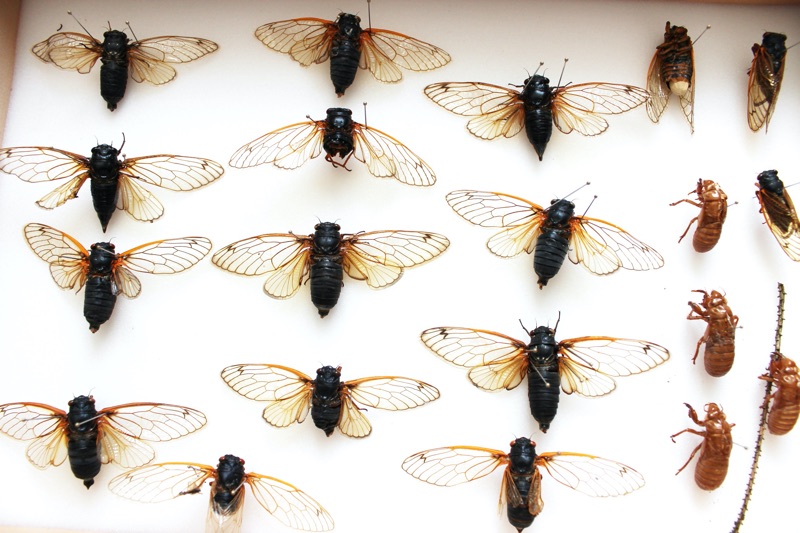
Brood II Magicada collection from 2013:
Brood II Magicada collection from 2013 2

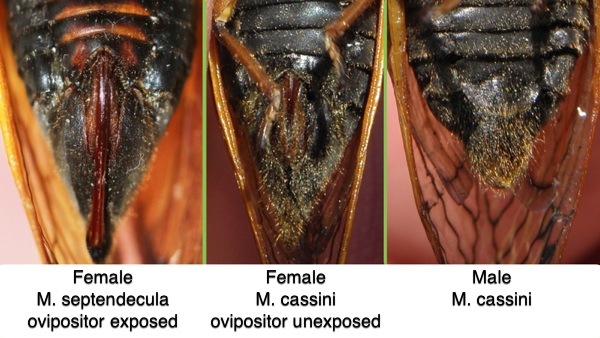
Comparison of Male and Female Magicicada genitalia:
Comparison of Male and Female Magicicada

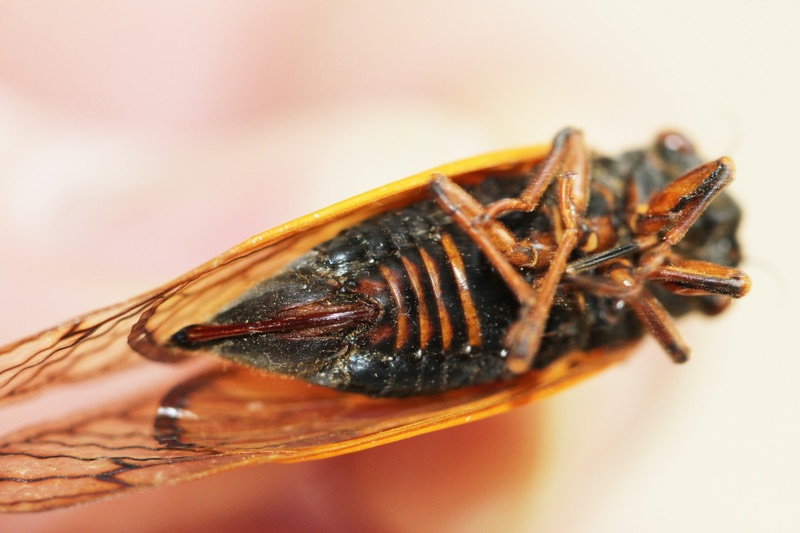
Magicicada septendecula female abdomen:
Magicicada septendecula female abdomen

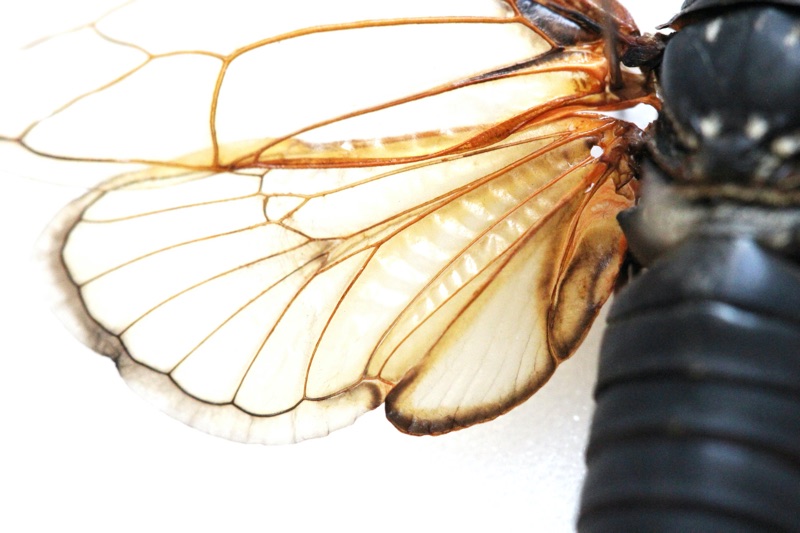
Magicicada septendecim hind wing:
Magicicada septendecim hind wing

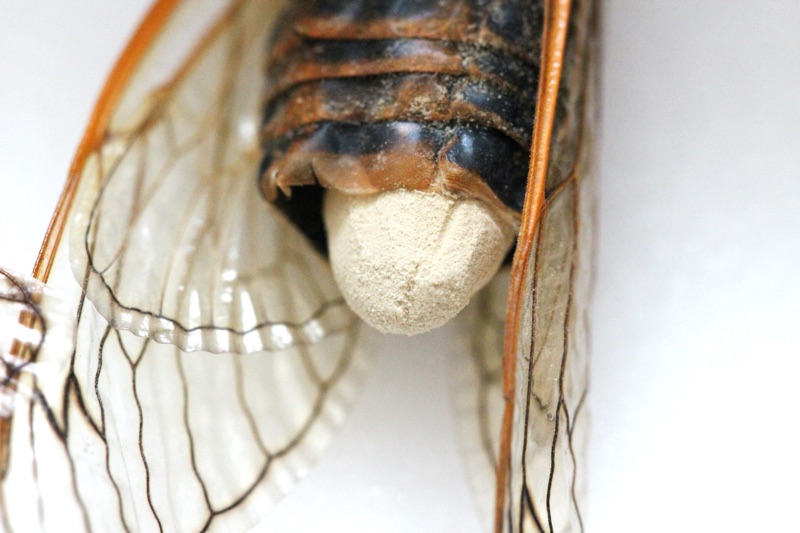
Male Magicicada septendecim infected with Massospora cicadina fungus:
Male Magicicada septendecim infected with Massospora cicadina fungus

Categories
Brood II Magicicada

Live Specimens – Brood II Magicicada from Middlesex County, New Jersey (2013)

These are photos of live cicada specimens from the 2013 Brood II emergence in Middlesex County, NJ.

Magicicada septendecim Metuchen NJ:
Magicicada septendecim Metuchen NJ.

Male Magicicada septendecim Metuchen NJ. Abdomen.
Male Magicicada septendecim Metuchen NJ. Abdomen

Male Magicicada septendecim Metuchen NJ:
Male Magicicada septendecim Metuchen NJ

Male Magicicada septendecim Metuchen NJ:
Male Magicicada septendecim Metuchen NJ

Male Magicicada Metuchen NJ:
Male Magicicada Metuchen NJ

Female Magicicada septendecim Metuchen NJ:
Female Magicicada septendecim Metuchen NJ

Male M. septendecim Metuchen NJ:
Male M_ septendecim Metuchen NJ

Categories
Brood II David Rothenberg John Cooley Magicicada

People and cicadas – Brood II Magicicada from Metuchen, New Jersey (2013)

People and cicadas – Brood II Magicicada from Metuchen, New Jersey (2013).

These are photos of people and cicadas from Brood II.

My sister and a cicada:
Beauty and the Beast

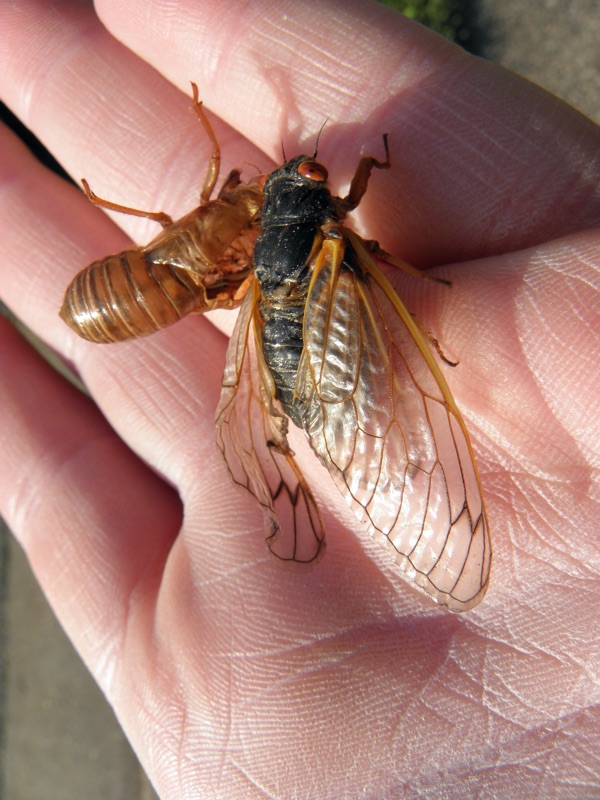
Can I give you a hand?
Can I give you a hand _Magicicada nymphs in Metuchen NJ_

Artist Asher Jay and a friend collecting cicadas:
Hunting for cicadas in Metuchen

John Cooley being interviewed by the New York Times with musician David Rothenberg in the foreground:
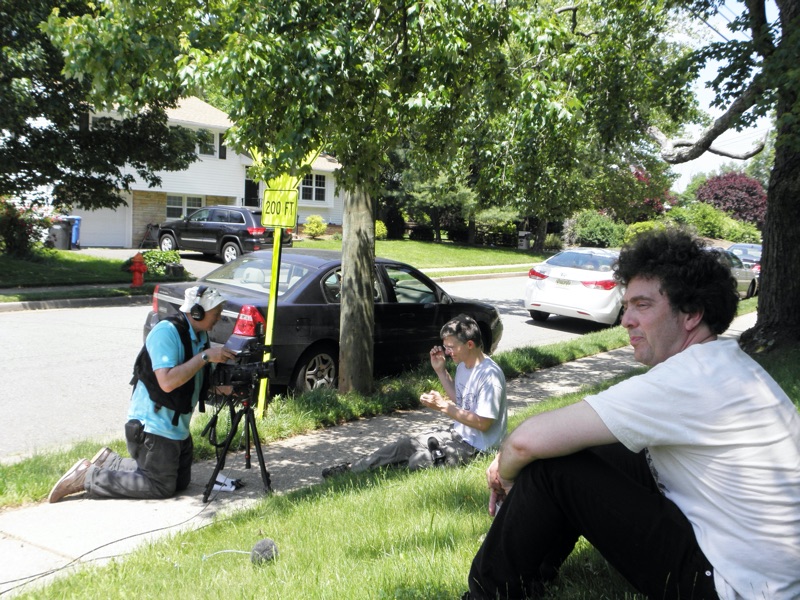
John Cooley being interviewed by the New York Times in Metuchen with David Rothenberg in the foreground