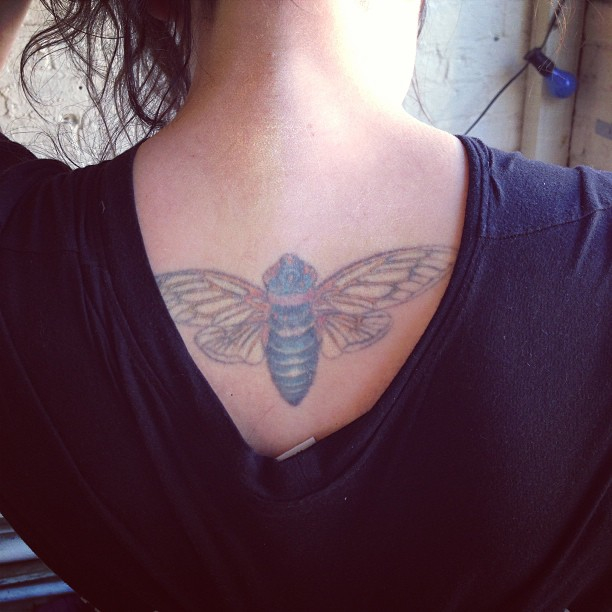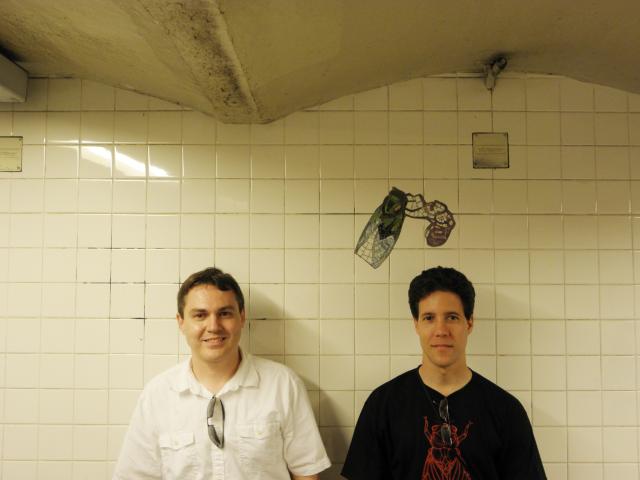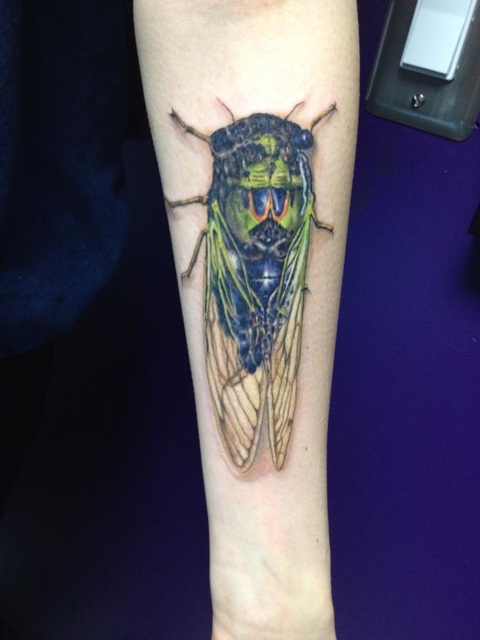
Australian singer/songwriter Laura Imbruglia sent us this photo of her cicada tattoo. Of course, we love it! And we love her music too.

Australian singer/songwriter Laura Imbruglia sent us this photo of her cicada tattoo. Of course, we love it! And we love her music too.

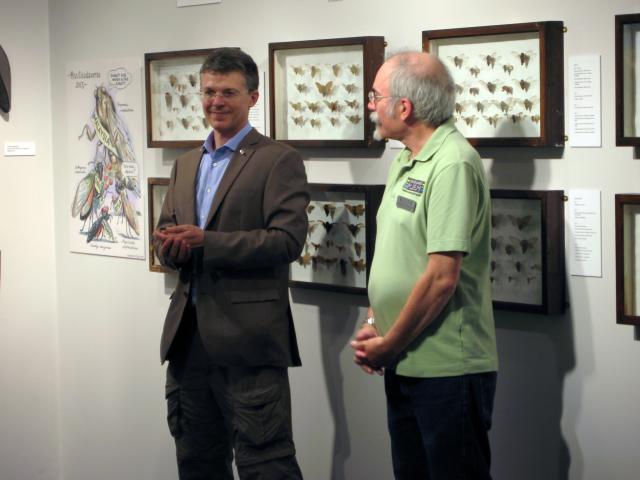
2013 has been an awesome year for cicadas. Here’s a look back at my favorite Brood II moments.


I’m looking forward to the Brood III and XXII emergences next year, but I don’t know if they’ll be as fun as Brood II 2013.

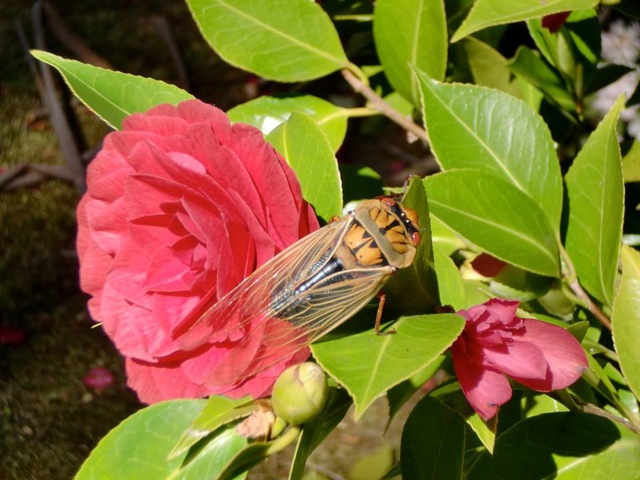
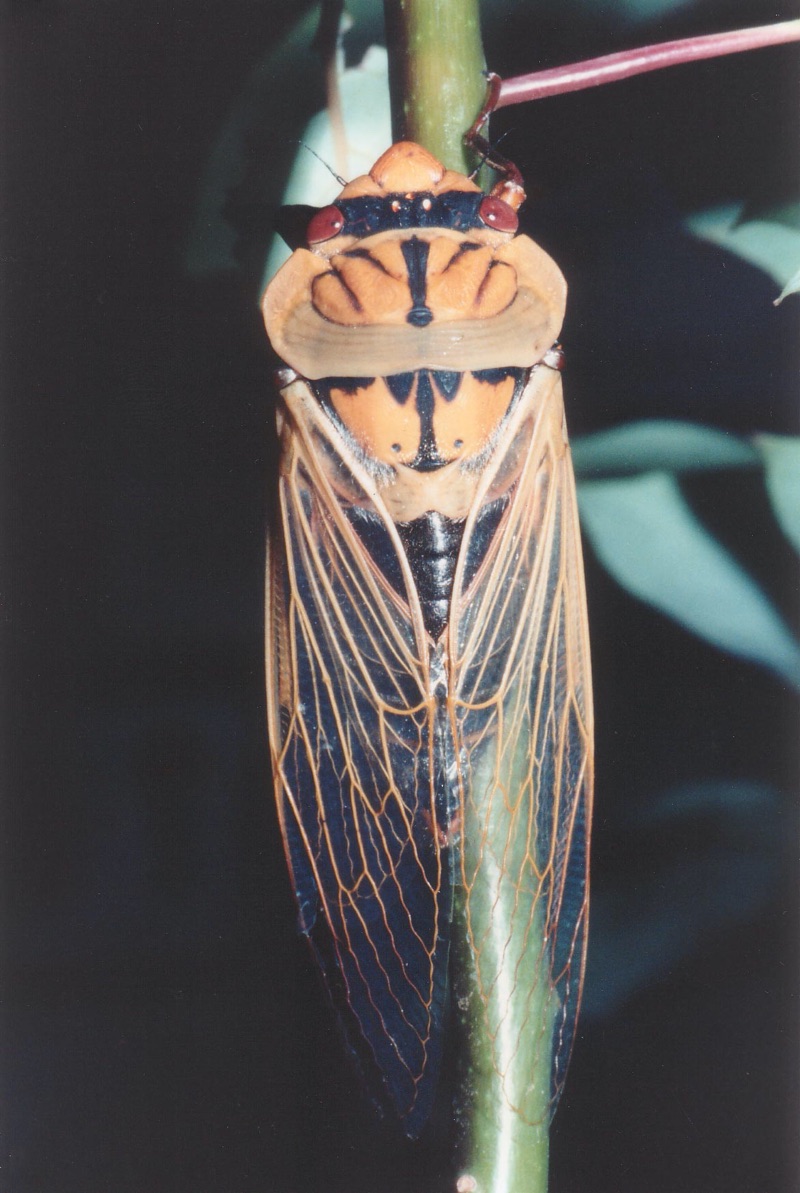
Lozang Y. posted this image of a Masked Devil aka Cyclochila australasiae on our Facebook page. The photo was taken in the Blue Mountains, NSW, Australia.

These cicadas are currently out and singing in the New South Wales area.
The green form of this cicada is called a Green Grocer, the yellow form is called a Yellow Monday, and the Blue Form is called the Blue Moon. The Cyclochila australasiae might have more color variations than even the Gaeana festiva of Southeast Asia.
More info about Cyclochila australasiae from L.W. Popple’s website.
Visit Tim McNary’s Bibliography of the Cicadoidea for many, many more cicada papers and articles.
Author: Allen F. Sanborn 1, and Polly K. Phillips (2013)
North American Cicadas. Features maps. “Abstract: We describe and illustrate the biogeography of the cicadas inhabiting continental North America, north of Mexico. Species distributions were determined through our collecting efforts as well as label data from more than 110 institutional collections.”
File located on cicadamania.com.
Author: Davis, William T. (William Thompson), 1862-1945; New York Entomological Society. Journal
North American Cicadas
File located on archive.org.
Author: Distant, William Lucas, 1845-1922
Cicadas of India, Southeast Asia and China
File located on archive.org.
Cicadidae of Turkey and some ecological notes on Tibicina serhadensis Kocak & Kemal from Van Province (East Turkey) (Homoptera) — Author: Muhabbet Kemal, Ahmet Omer Kocak, Vildan Bozaci
Cicadas of Turkey
File located on archive.org.
Author: C. L. Marlatt
Magicicada periodical cicadas
File located on archive.org.
Author: United States. Bureau of Entomology; Marlatt, C. L
Magicicada periodical cicadas
File located on archive.org.
Fieber, Franz Xaver, 1807-1872; Metcalf Collection (North Carolina State University). NCRS
Cicadas of Europe
File located on archive.org.
W. L. Distant and W. W. Fowler
Cicadas of Central and South America
File located on www.sil.si.edu.
Prof. Douglas Galvao of the State University of Campinas
Magicicada periodical cicadas
File located on cicadamania.com.
Author: Heath, Maxine Shoemaker
Genera of American cicadas north of Mexico. Note a more recent book (scroll up) has been published in 2013.
File located on archive.org.
Author: Orbigny, Charles Dessalines d’, 1806-1876; Metcalf Collection (North Carolina State University). NCRS
Contains a few cicada illustrations including a Tacua sp.
File located on archive.org.
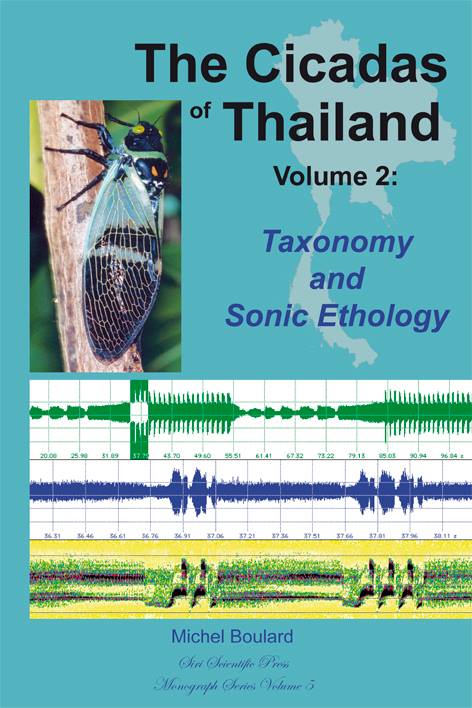
Cicadas of Thailand Volume 2: Taxonomy and Sonic Ethology by Michel Boulard is available now via Siri Scientific Press.

A comprehensive 436 page volume from the leading world expert representing 13 years of work on taxonomy (including several newly described species) and sonic ethology, with supporting audio tracks
I ordered a copy already.
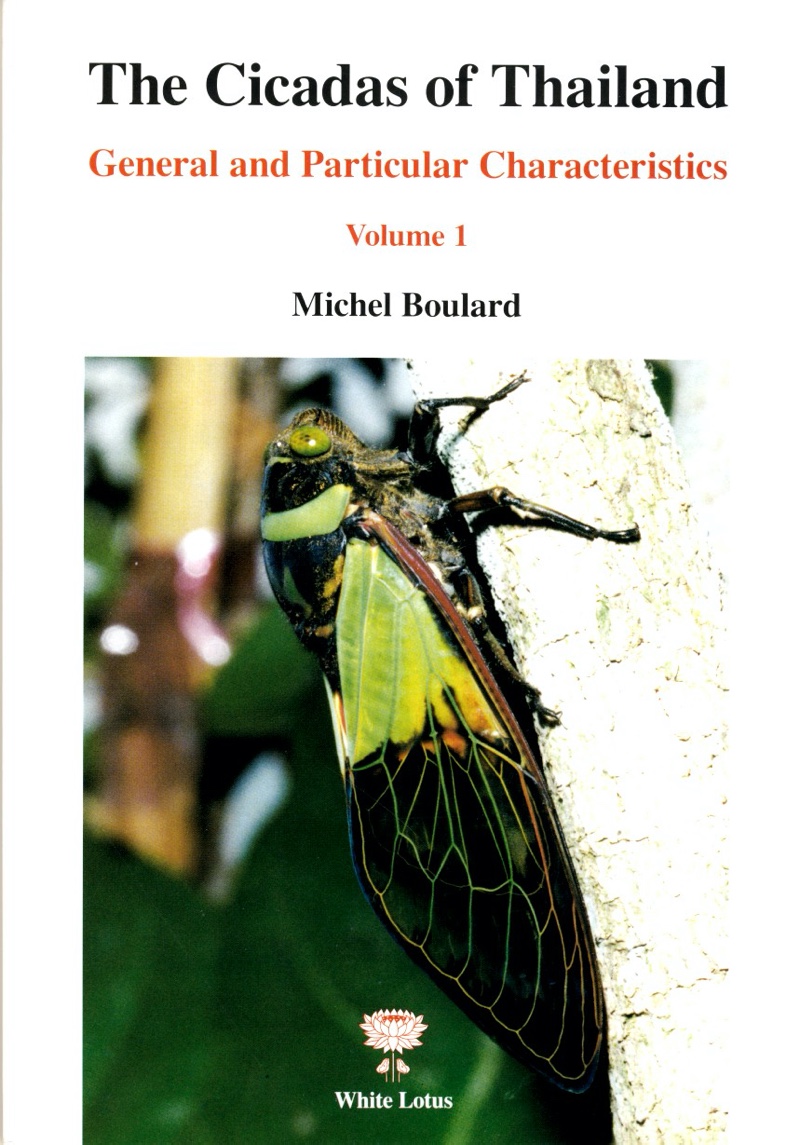
Cicadas of Thailand Volume 1 was a great resource for the cicadas of Thailand and South-East Asia in general (many Asian species are not endemic, so you’ll find them in many countries). I imagine that Volume 2 will be just as amazing.
Here’s his first book Cicadas of Thailand: General and Particular Characteristics. Volume 1:

David Emery wrote to let us know that cicada season has begun in parts of Australia:
After some 50mm of rain on 16-17 Sept and the warmest winter on record on the east coast, the “masked devil” morphs of Cyclochila australasiae were in good voice in the mountains west and south of Sydney, Australia on 22nd Sept. The bladder cicadas (Cystosoma saundersii) are also rattling in Metro Sydney. These are about 2 weeks early this year as are several of the smaller grass cicadas and Pauropsalta species. Roll on summer!
Cheers, David.
Masked Devil cicada (Cyclochila australasiae):

More information about Cyclochila australasiae.
Bladder cicadas (Cystosoma saundersii):

More information about Cystosoma saundersii.
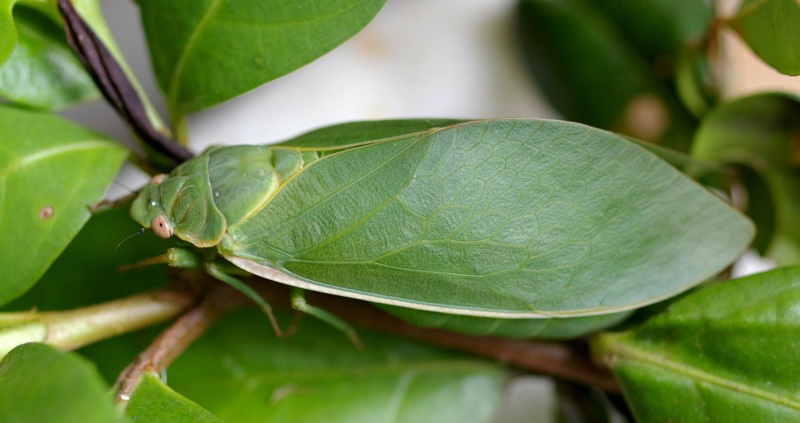
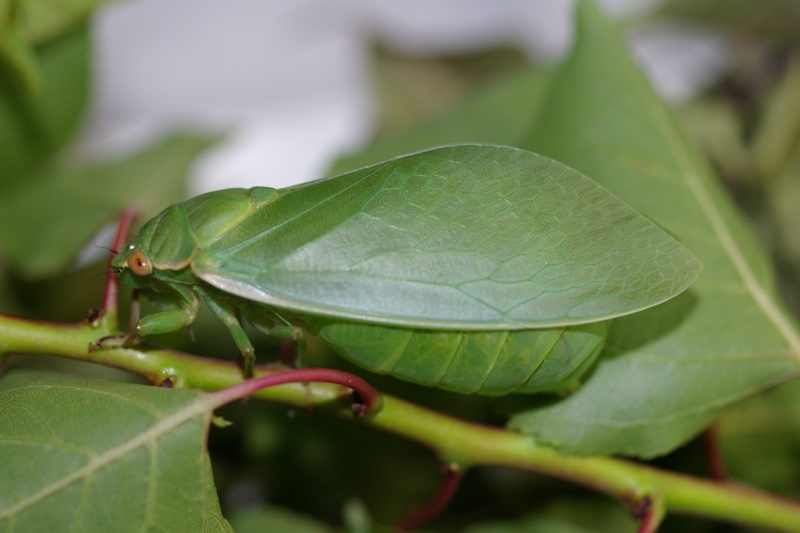
Bottle Cicada (Chlorocysta sp.):

More information about Bottle cicadas.
Want to know the latest comments happening on Cicada Mania?
The message board Archives can be useful for researching Broods that emerged in the late 90s and 00s.
→ Visit the message board archvies and scroll through 1000’s of cicada questions and sightings.
Now is a great time to look and listen for Tibicen cicadas in North America. Tibicen are the medium to large sized annual cicadas. Typically they are well camouflaged – with colors like black, white, green & brown.
During the day you can listen for them, of course, and spot them that way. Try Insect Singers for cicada songs. You can also look for their exuvia (skins), and if you’re lucky you can catch on on a low branch.
Last night I started looking around 10pm and found three Swamp Cicadas (T. tibicen tibicen) shedding their skins on trees around the yard. I also collected about 30 exuvia (skins). All in a quarter acre yard. Take a look at this video:
Swamp Cicada shedding its nymphal skin from Cicada Mania on Vimeo.


Last night I went on an exploration of Manchester, NJ looking for Megatibicen auletes (Germar, 1834) with Elias Bonaros and his friend Annette.
M. auletes, are known as the Northern Dusk Singing Cicada. As their name suggests, M. auletes calls at dusk, around sunset. Their call is amazing – visit Insect Singers to hear their call.
Luckily I found a (deceased) female and an exuvia (nymph skin). Elias and Annette found many exuvia and a live nymph. We were able to watch the nymph undergo ecdysis (leave its exuvia, and expand its adult body).
Here are some images of the cicadas we found last night (click the first two images to get to larger versions):


Some (blurry) video:
Dan and Elias netting a M. auletes exuvia. Photo by Annette DeGiovine-Oliveira:

* Note as of 2023 the name of this cicada has changed to Megatibicen grossus. You can also call it a Northern Dusk-Signing Cicada.