Categories
Flagging Magicicada

New iNaturalist Project: Magicicada Flagging Project

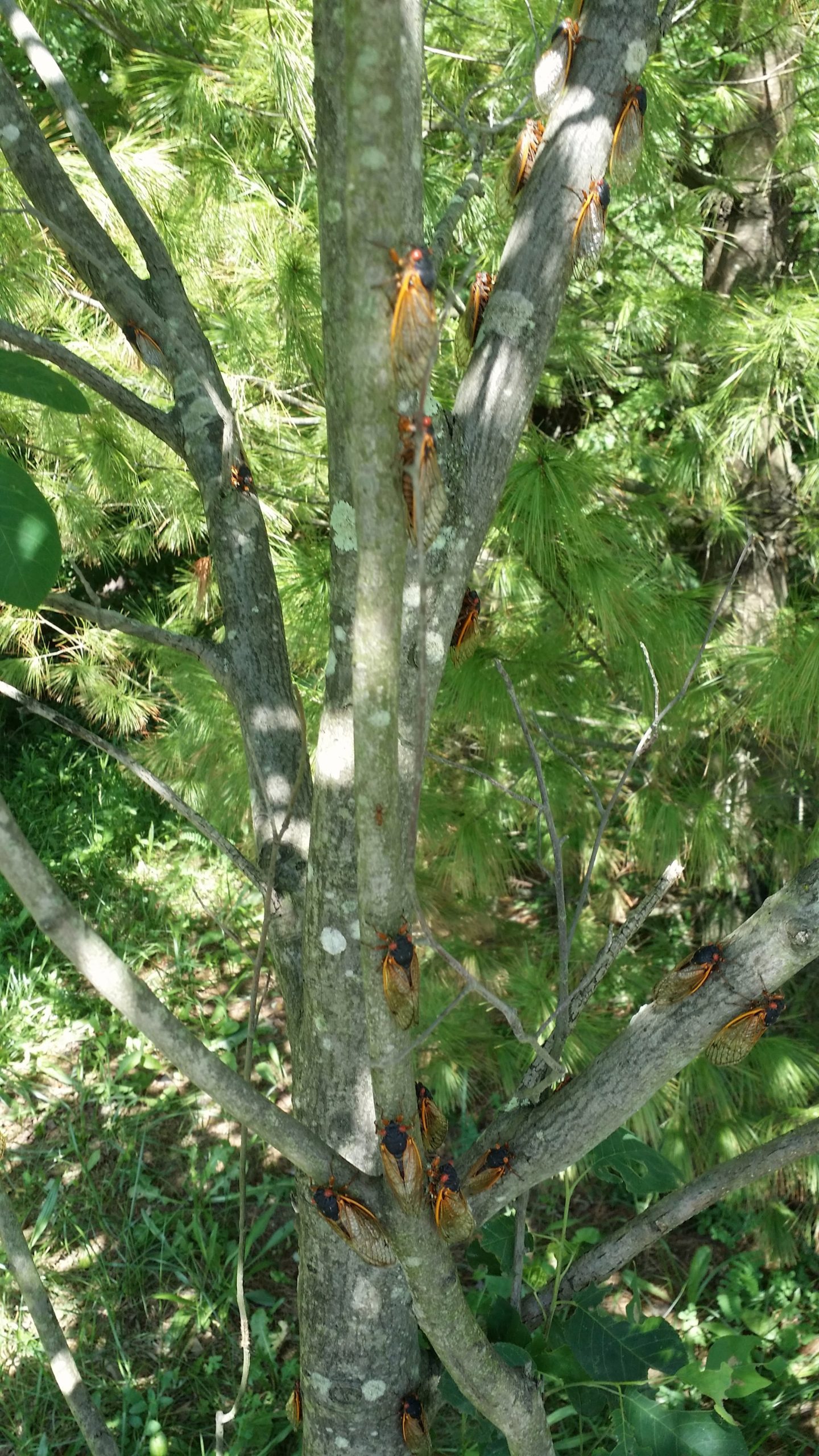
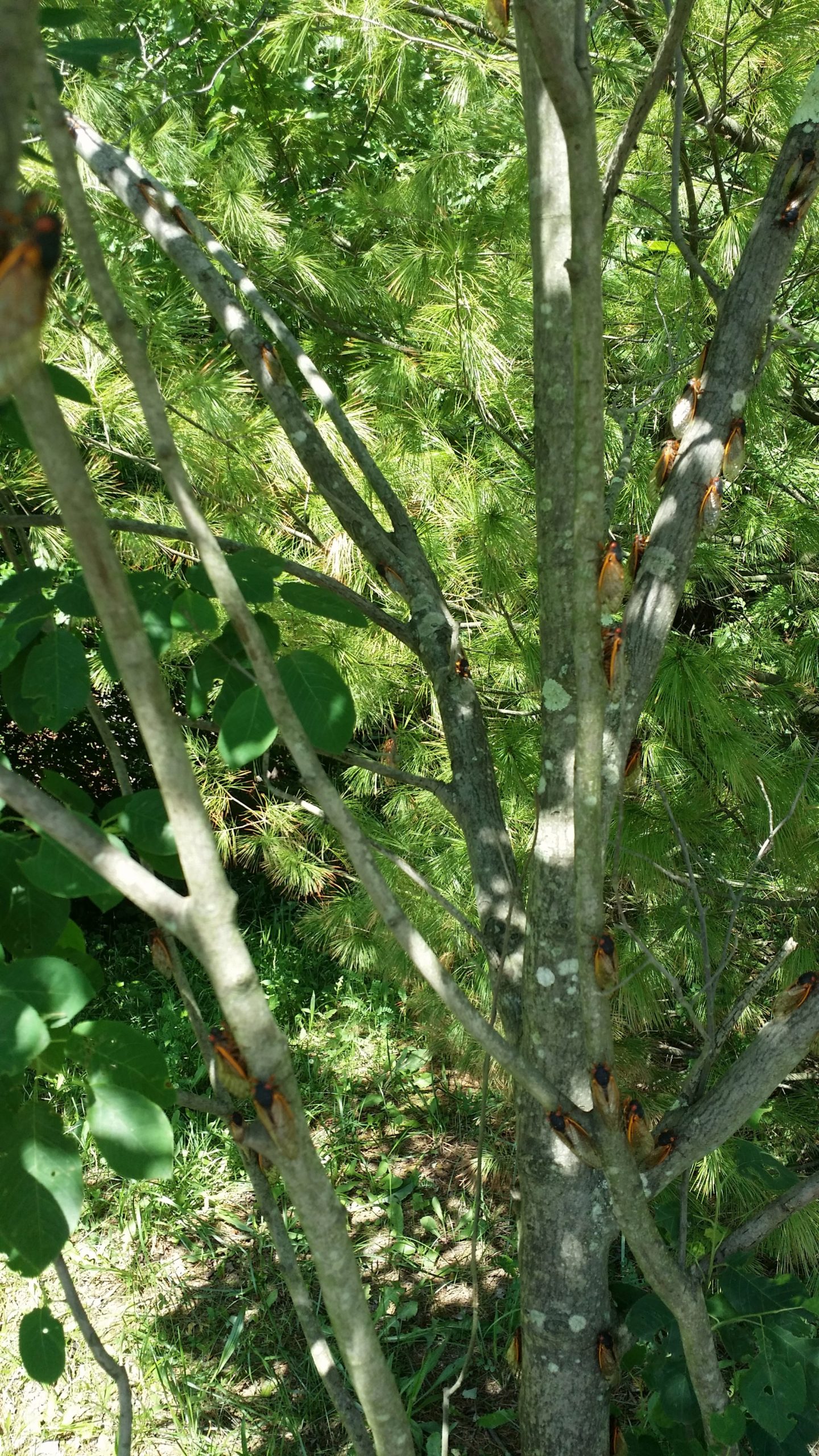
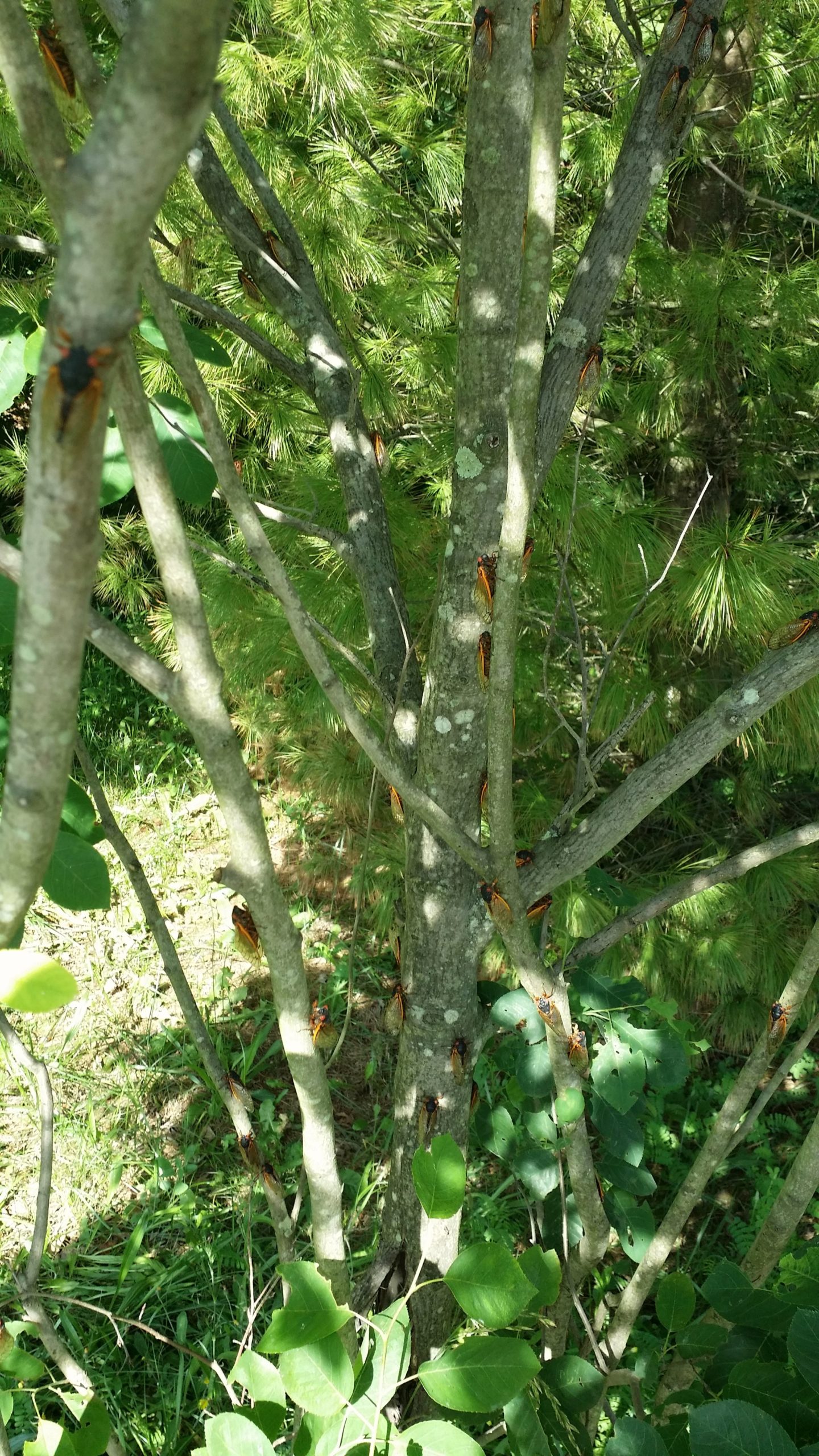
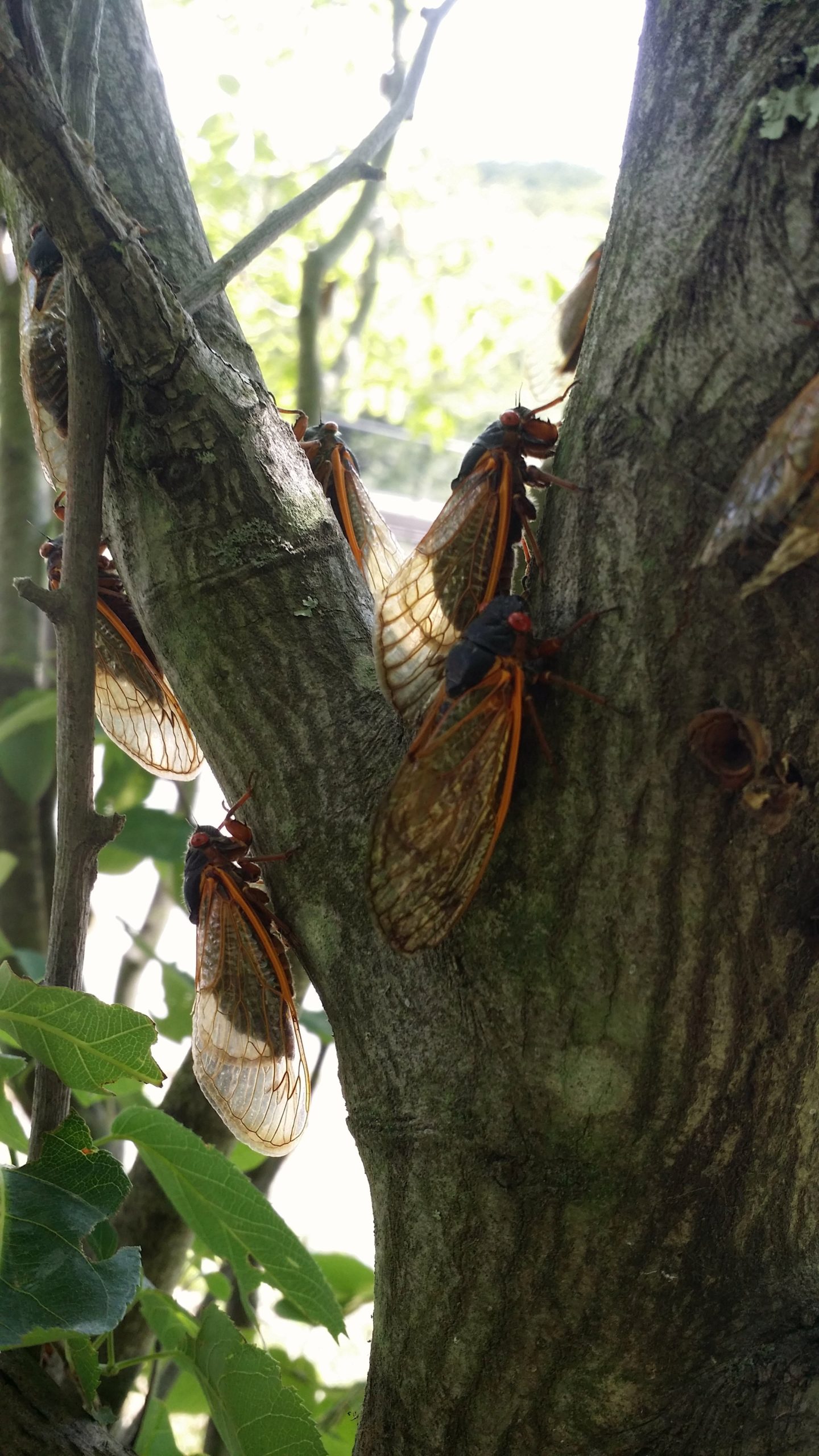
I created a new iNaturalist project called the Magicicada Flagging Project to track tree flagging damage by Magicicada cicadas.

Upload a tree or branch with flagging to iNaturalist, add it to the Magicicada Flagging Project, and when it asks you if the observation has “Magicicada Flagging” select “yes”.

Magicicada Flagging Project

When Magicicada cicadas lay eggs in the branches of trees (ovipositing) branches may become damaged or die which causes the leaves to turn brown. This is called flagging. Magicicadas, depending on their location, oviposit between late April through to the end of June. Flagging will appear in the weeks following ovipositing. Leaves will remain brown throughout the year.

The project leverages the observation field Magicicada Flagging set to yes.
Observation Field

The project works regardless of whether the organism is identified as a type of tree (oak, chestnut, etc.) or a Magicicada cicada. Most people identify trees with flagging as a “Magicicada” but I would not want to take away the option to allow people to identify a tree (oak, chestnut, etc.) over the type of cicada that did the damage.

There is a similar observation field for cicada presence set to flagging/oviposition scars, but it’s not specific to Magicicada and oviposition scars do not always accompany flagging. I do encourage you to use this observation field as well!
cicada presence

MFPicon

Categories
Magicicada Nymphs Periodical

How to tell if a Magicicada periodical cicada nymph is ready to molt

How can you tell if a Magicicada periodical cicada nymph is ready to molt?

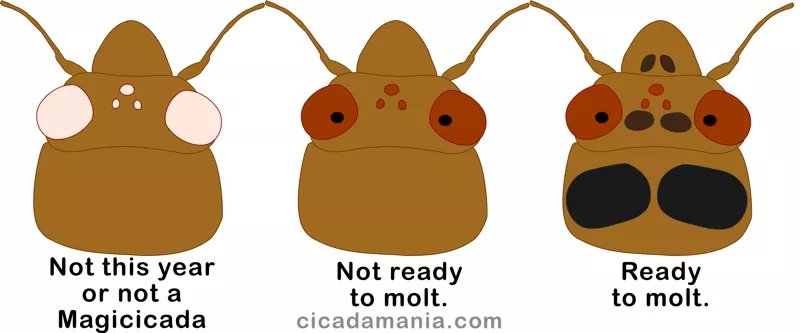
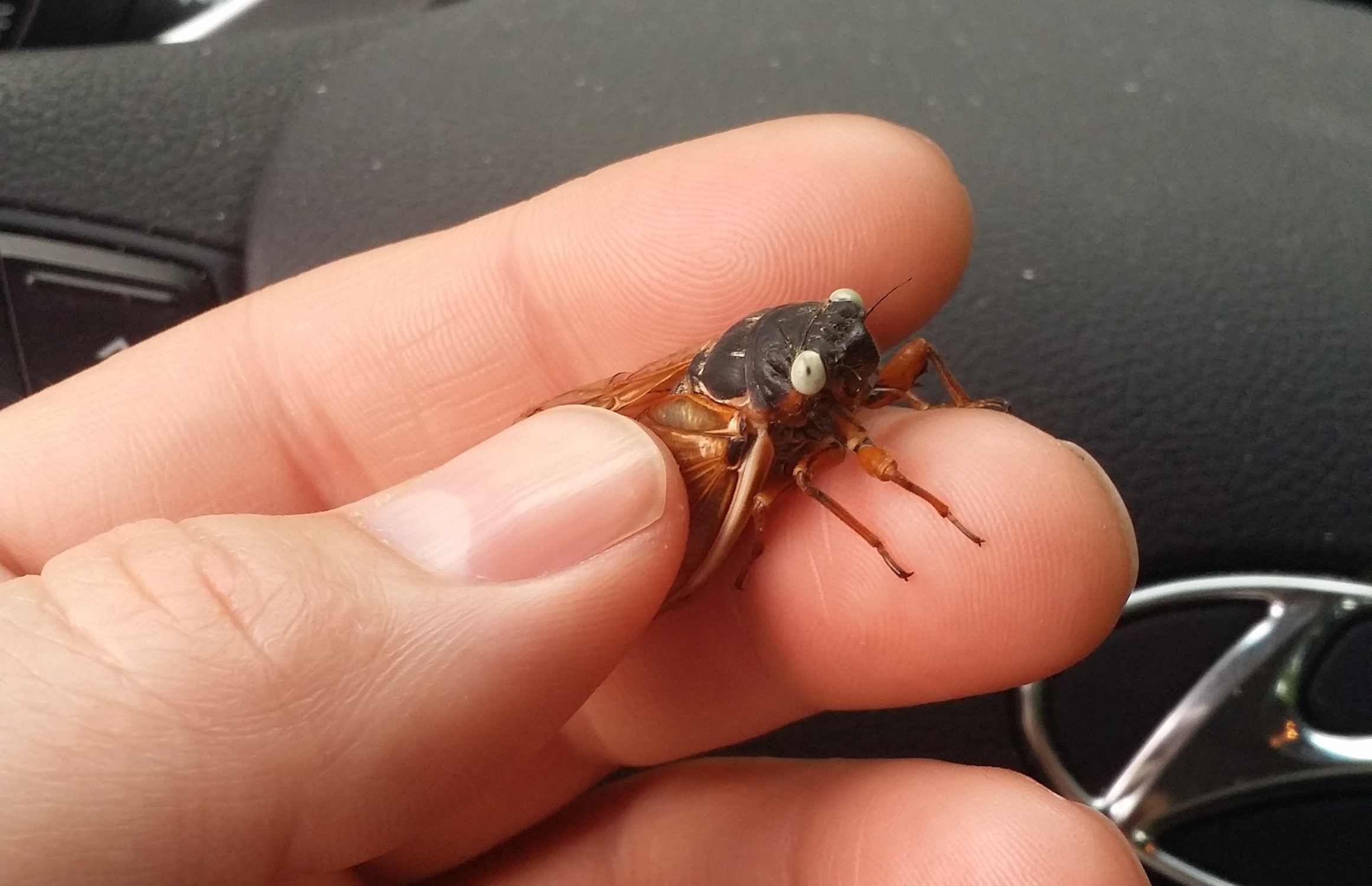
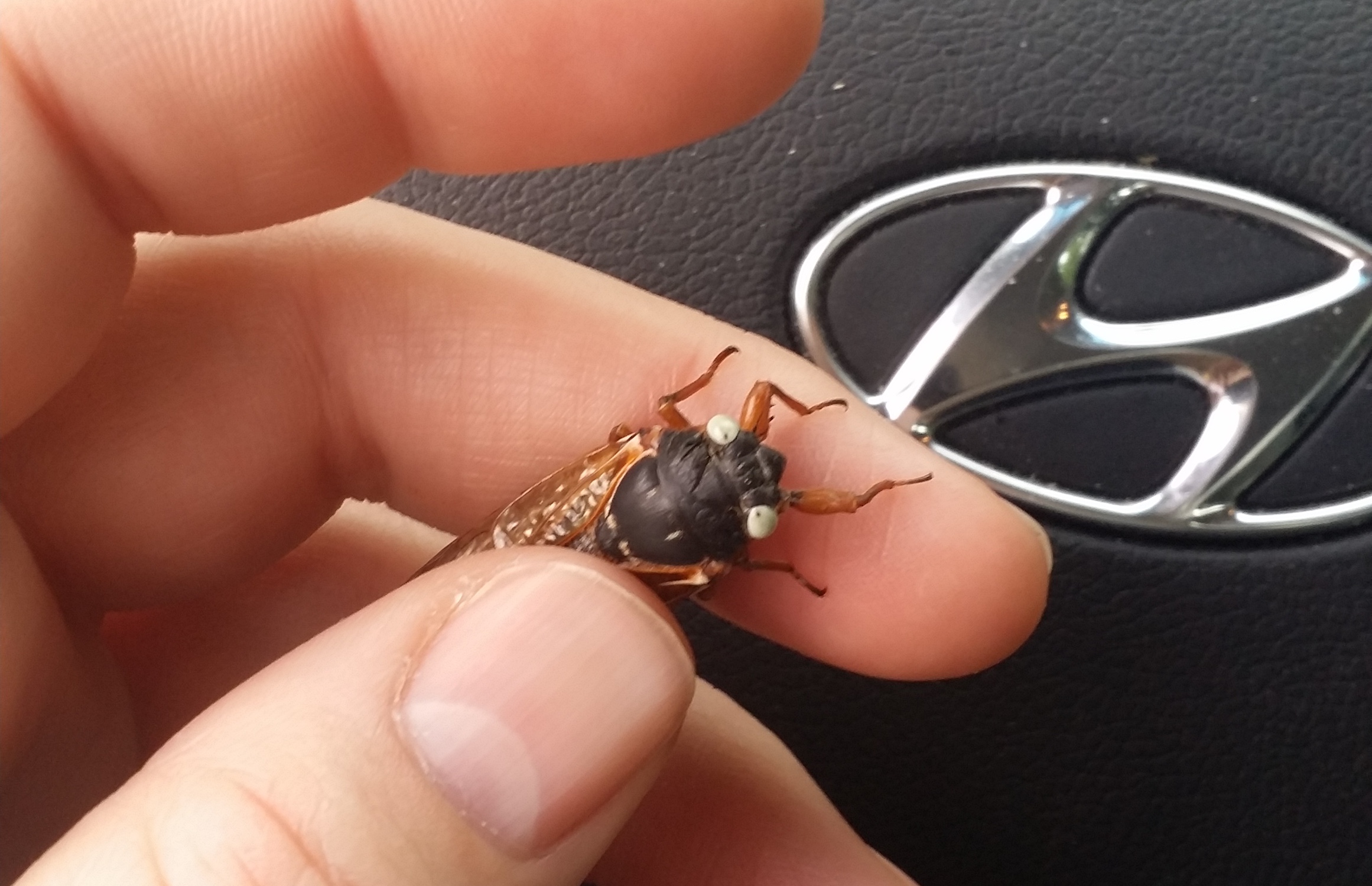
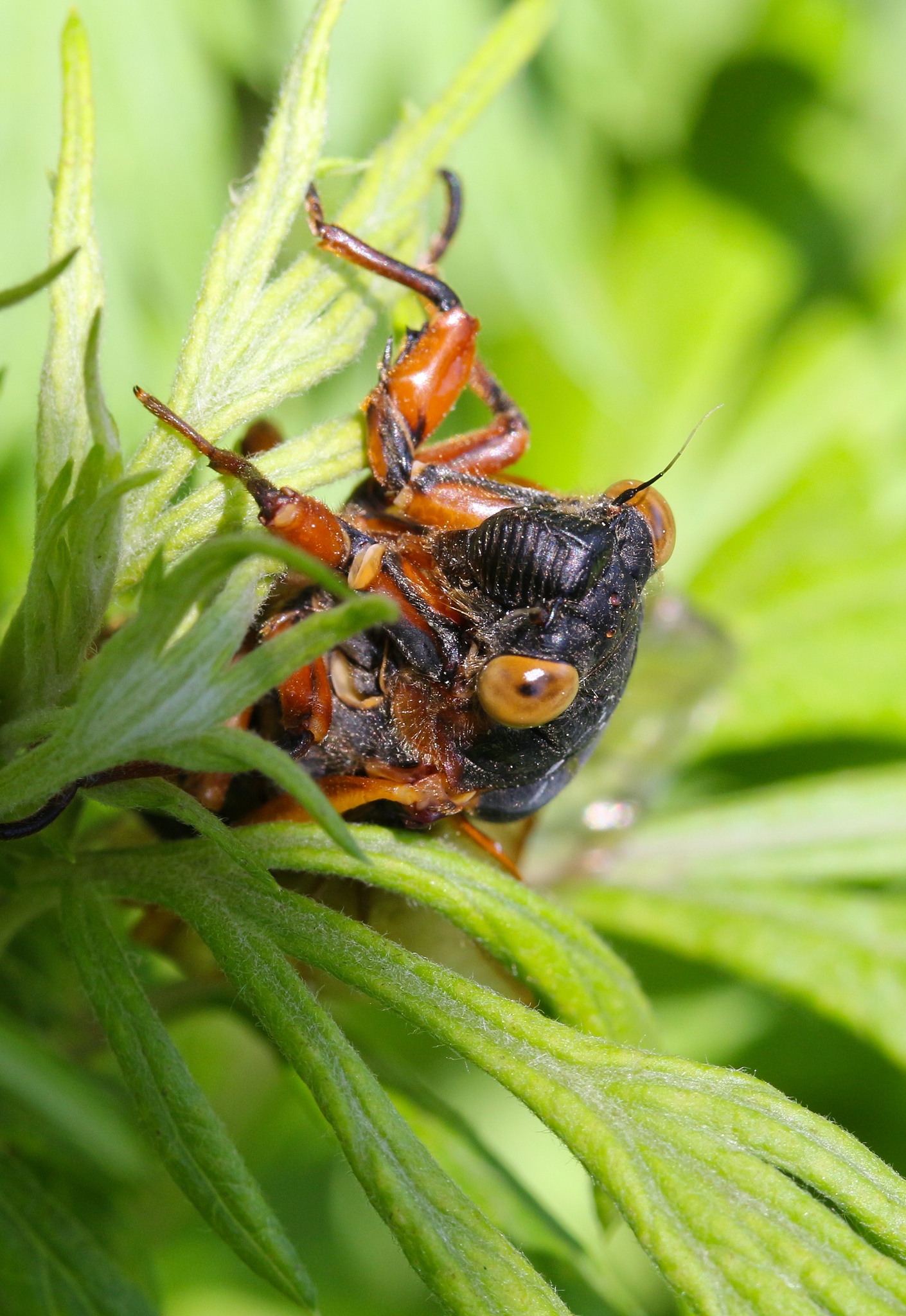
Answer: look for two black spots on its back (technically the cephalothorax). They look like they are wearing aviator sunglasses pushed up on their forehead!
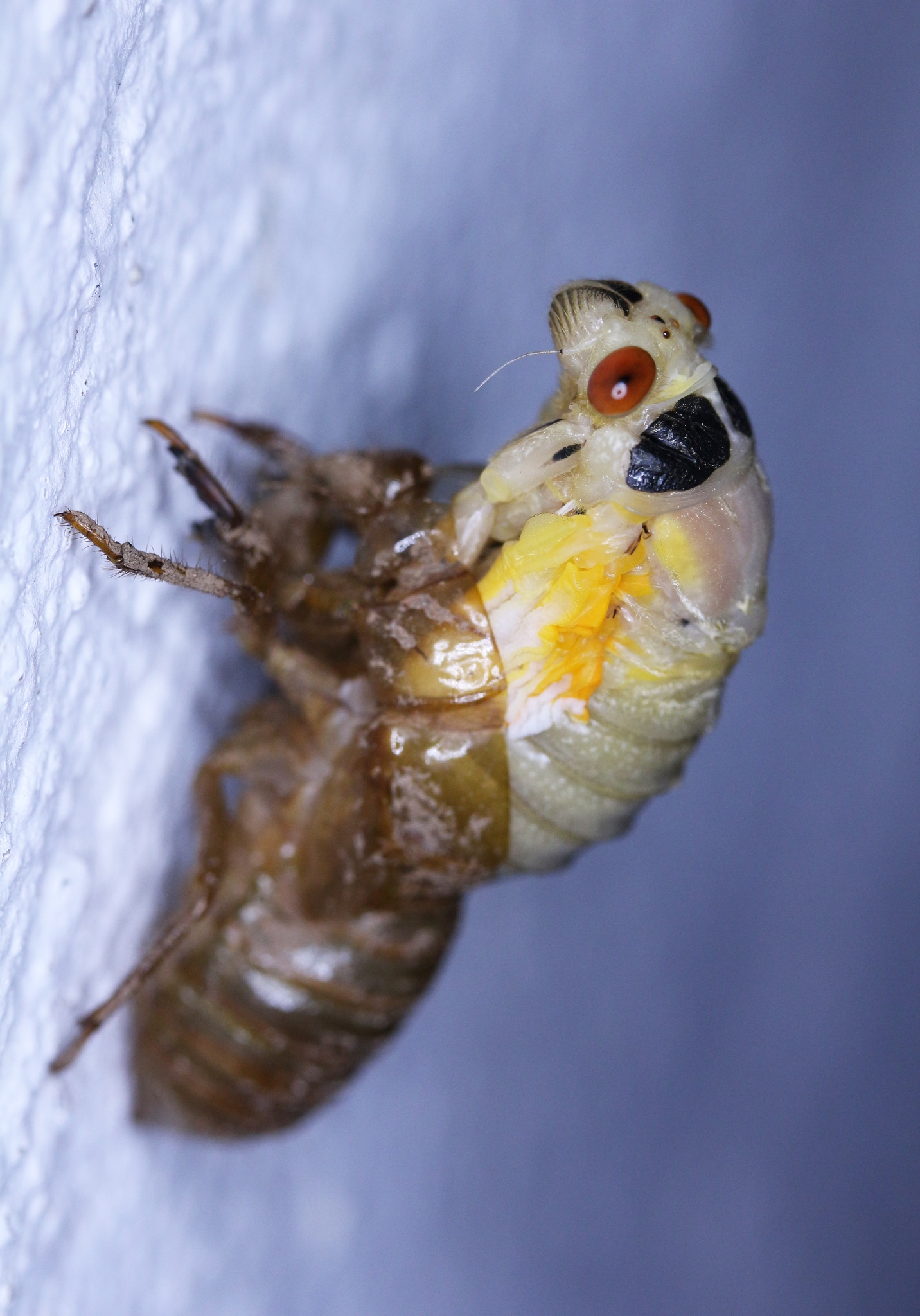
A diagram that shows when a nymph is ready to molt.

I do not know the official name for these spots, but they seem to be related to the pigment that turns the cicadas black after they molt. They may scare away predators that think the spots are big eyes!

Here are a few ideas for a name for them:
obscuras maculas
mutatione macularum

Categories
Brood XIII Brood XIX Magicicada Periodical

A quick way to tell the difference between the 7 periodical cicadas species

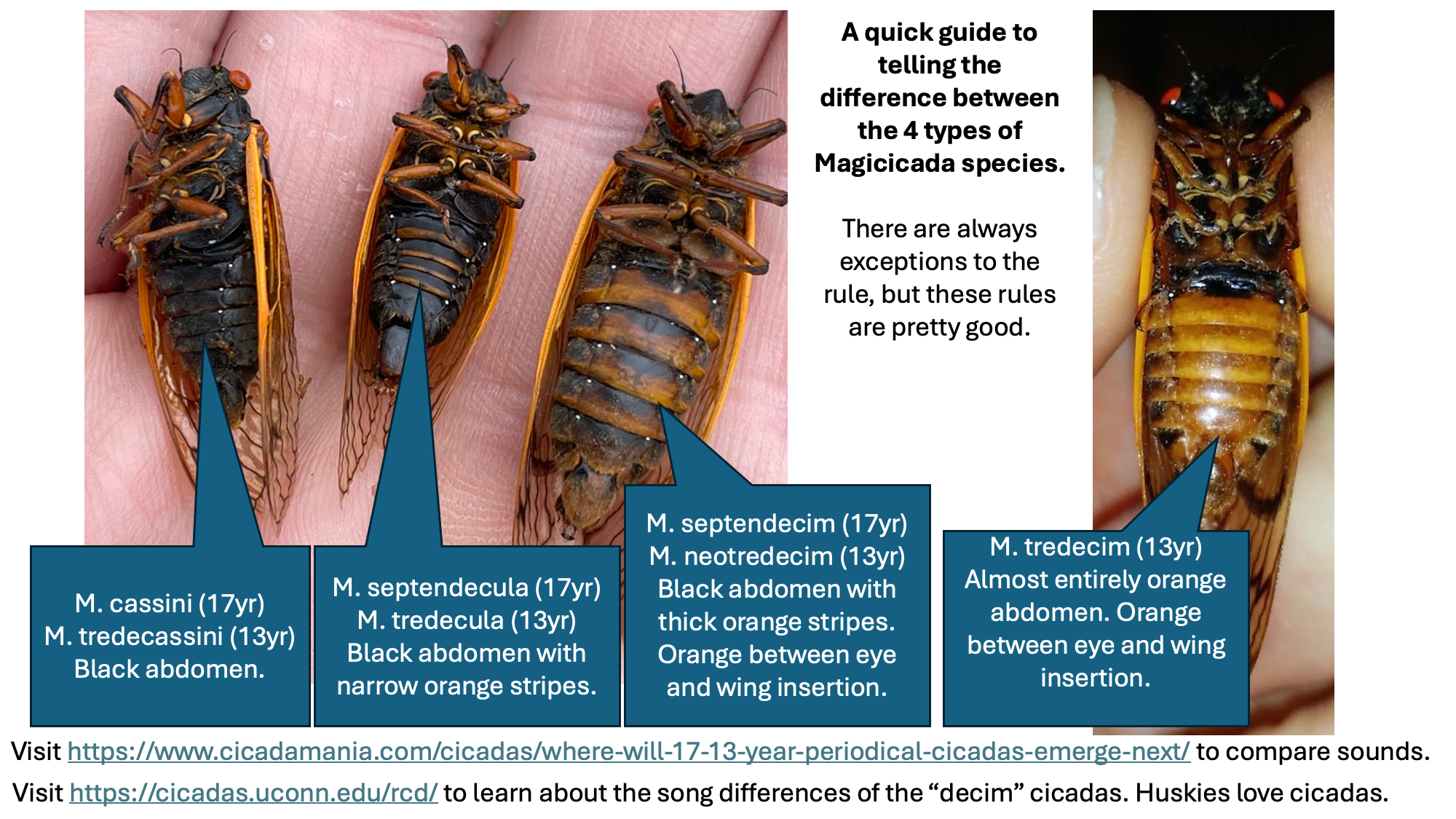
Here is a quick way to tell the difference between the 7 periodical cicada species:

Download this chart. Click/tap for a larger version:

The songs of Magicicada cassini (17-year) and Magicicada tredecassini (13-year) are essentially identical:

M. cassini:

M. tredecassini:

The songs of Magicicada septendecula (17-year) and Magicicada tredecula (13-year) are essentially identical:

M. septendecula (©Joe Green):

M. tredecula:

The songs of Magicicada septendecim (17-year), M. neotredecim (13-year), and Magicicada tredecim (13-year) are essentially identical. M. neotredecim varies the sound of its call in the presence of M. tredecim.

M. septendecim:

M. neotredecim (© Insect Singers)

M. tredecim (© Insect Singers)

And/or watch this video:

Then read this and listen to the sound files on the page: Where will 17 & 13 Year Periodical Cicada Broods emerge next?

Categories
Books Brood XIII Brood XIX Magicicada Periodical

New Brood XIX and XIII Cicada Book by Dr. Gene Kritsky

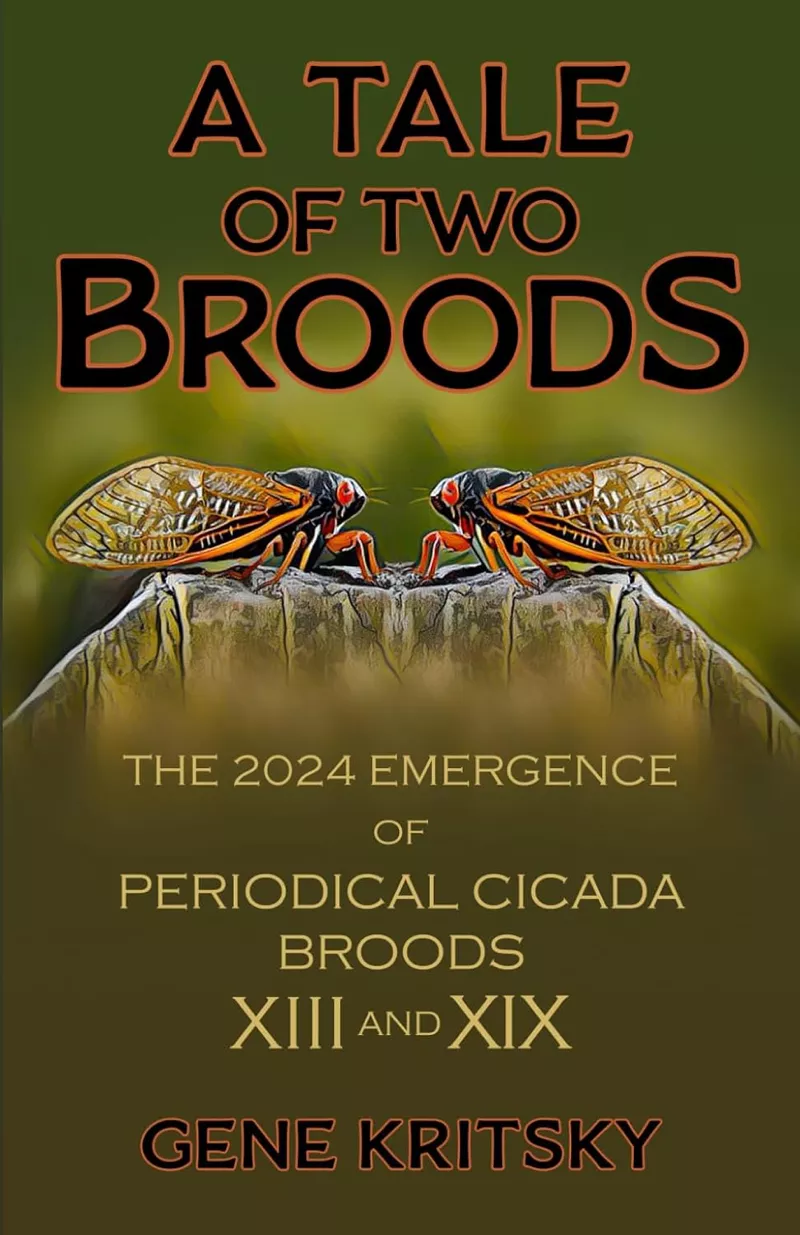
Cicada researcher and communicator Dr. Gene Kritsky has a new book about Brood XIX and XIII which are both emerging in the spring of 2024: A Tale of Two Broods: The 2024 Emergence of Periodical Cicada Broods XIII and XIX. It is available in paperback and Kindle formats.

A Tale of Two Broods: The 2024 Emergence of Periodical Cicada Broods XIII and XIX

Other posts about Dr. Gene Kritsky on this site:

  1. An Interview with Gene Kritsky
  2. Gene Kritsky’s new cicada site and Brood XIV news
  3. Periodical Cicadas: The Brood X Edition by Gene Kritsky
  4. Gene’s App: Cicada Safari app for tracking Magicicada periodical cicadas
Categories
Books Magicicada Periodical

Cicadapocalypse a graphic novel about periodical cicadas by Roger McMullan

Roger McMullan has a new graphic novel about periodical cicadas called Cicadapocalypse. You can obtain a copy from Roger’s online store.

As I understand it, “the book is intended as an introduction to periodical cicadas for curious kids during a cicada emergence by creating a fictional narrative around the cicadas rather than hitting them over the head with facts”. A cicada emergence through the eyes of some shocked and surprised cartoon squirrels.

It looks fun to me.

cicadapocalypse

Categories
Brood V Magicicada

Cicadas on leaves & trees – Brood V Magicicada from Morgantown, WV (2016), gallery #2

This is a gallery of Magicicadas on leaves & trees from West Virginia University’s Core Arboretum from the 2013 Brood V emergence.

Visit Gallery #1 for more photos from Brood V.

Click/tap the image for a larger version:

Magicicada septedecula hiding
 Magicicada septedecula hiding

Magicicada septendecim on a leaf

Magicicada with mustard eyes

Magicicada with pale eyes

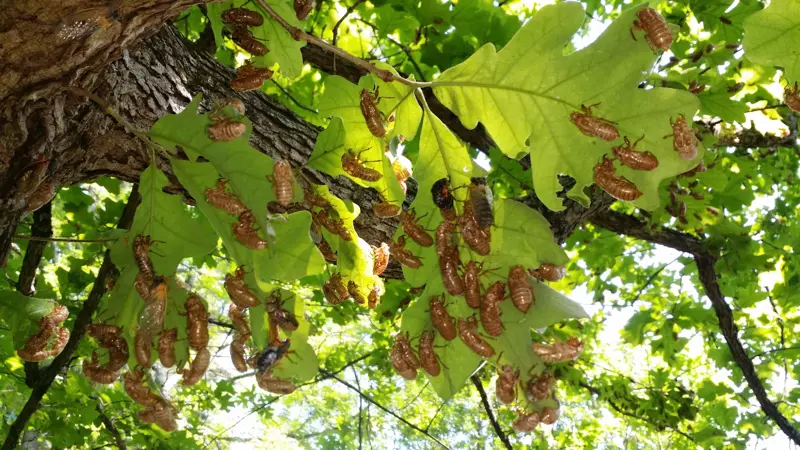
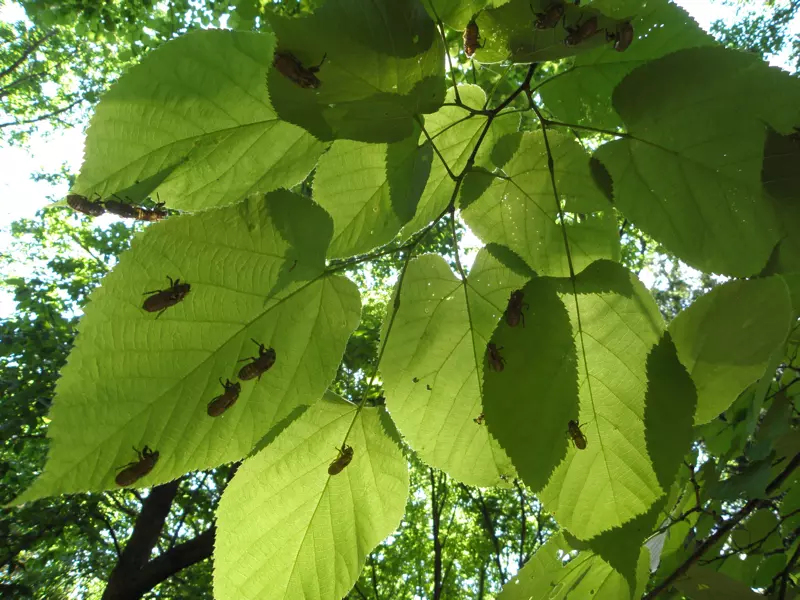
Many Exuvia on Oak Leaves

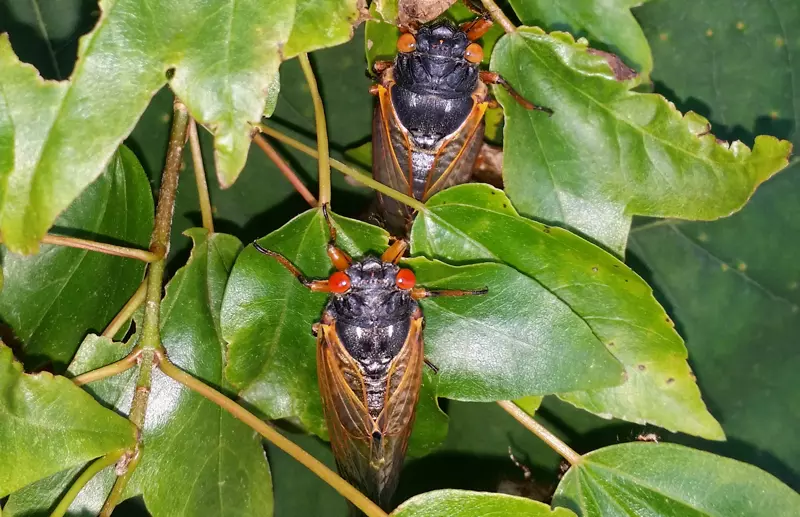
Red and Orange eyes
Red and Orange eyes

Teneral Magicicada on leaf

Three Magicicada
Three Magicicada

Three Magicicada
Three Magicicada

Three Magicicada
Three Magicicada

Under A Leaf
 Under A Leaf

Magicicada on leaves

Visit Gallery #1 for more photos from Brood V.

Categories
Brood V Eye Color Magicicada

Core Arboretum – Brood V Magicicada from Morgantown, WV (2016), gallery #2

This is a gallery of Magicicadas taken at West Virginia University’s Core Arboretum from the 2013 Brood V emergence.

Click/tap the images for larger versions.

Visit Gallery #1 from more photos From the Core Arboretum, Morgantown, and Brood V.

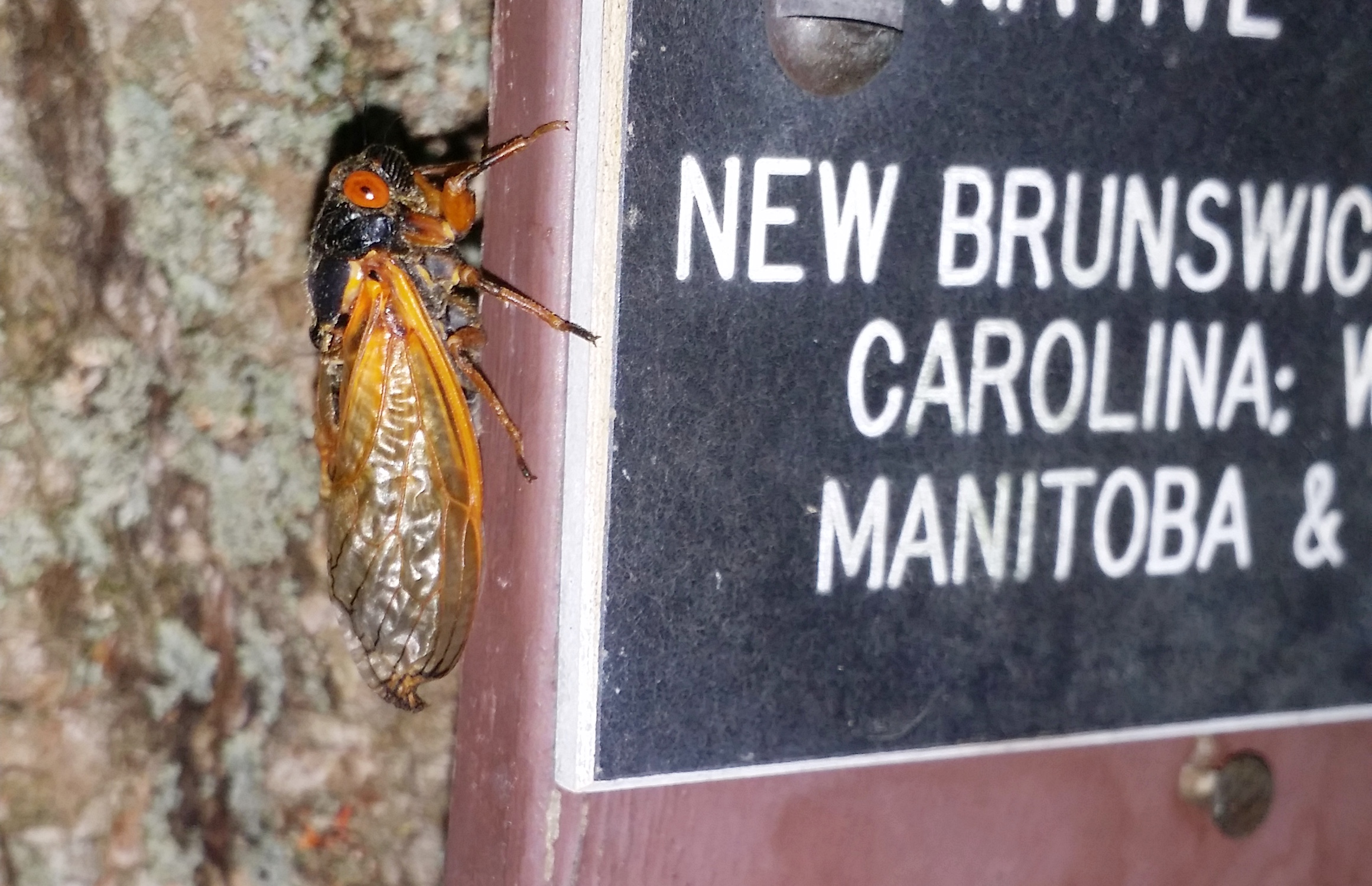
Magicicada cassini on tree plague:
Magicicada cassini on tree plague

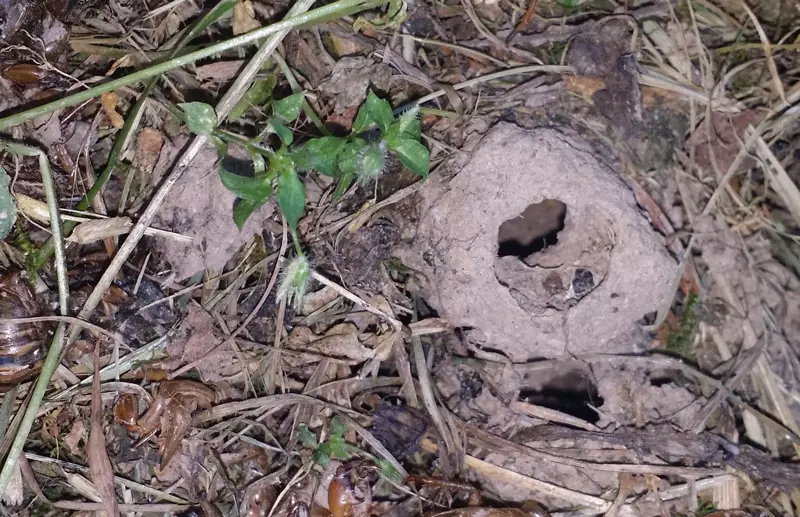
Magicicada exit chimney:
Magicicada exit chimney

Magicicada septendecim abdomen:
Magicicada septendecim abdomen

Magicicada septendecim:
Magicicada septendecim

Magicicada with beige eyes:
Magicicada with beige eyes

Magicicada with damaged wings and beige eyes:
Magicicada with damaged wings and beige eyes

Magicicada with slightly orange markings on abdomen could be ‘decula or cassini:
Magicicada with slightly orange markings on abdomen could be decula or cassini

Magicicada with white eyes:
Magicicada with white eyes

Magicicada with white eyes:
Magicicada with white eyes

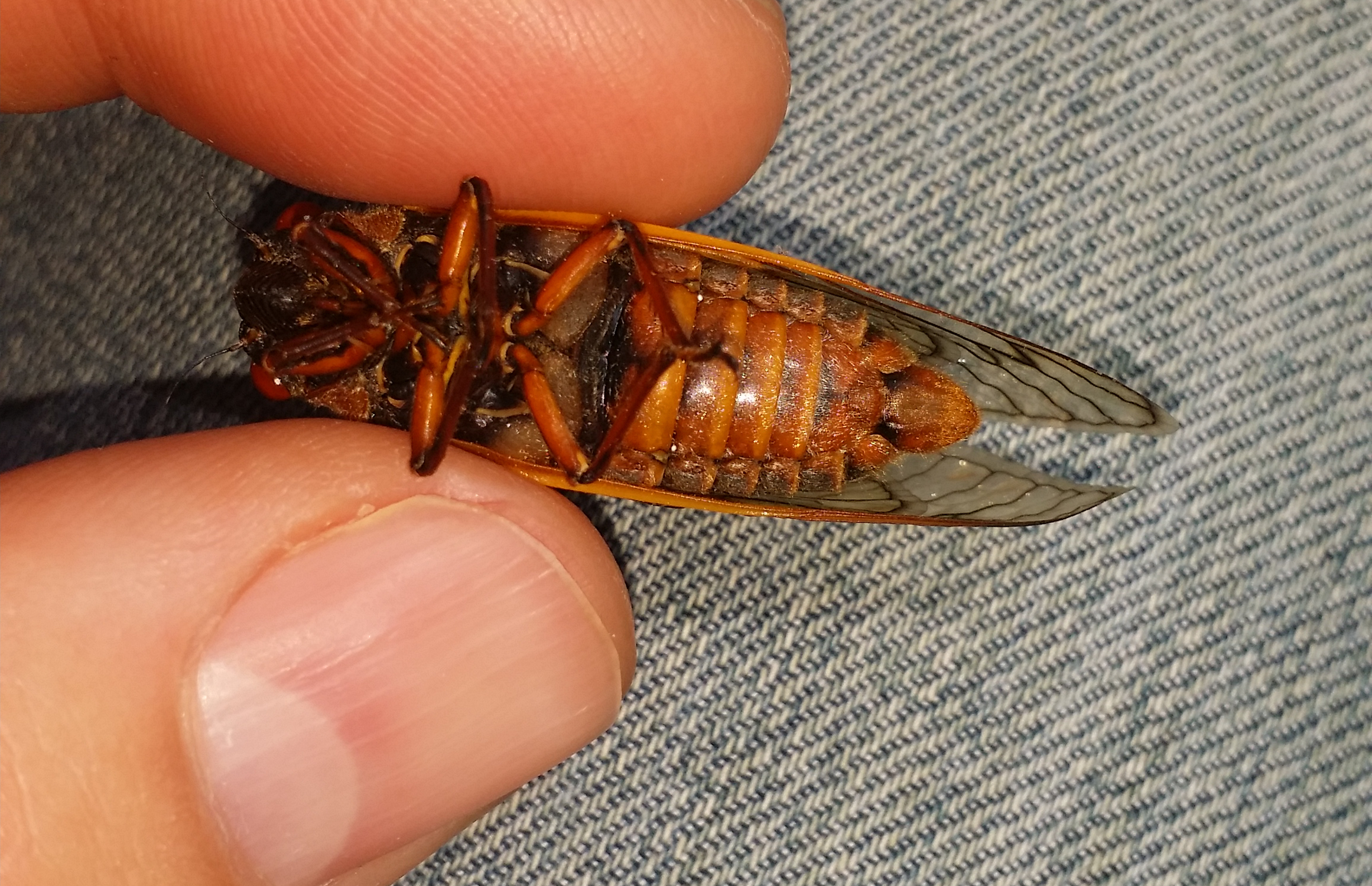
Male Magicicada septendecim abdomen:
Male Magicicada septendecim abdomen

Many Magicicada exuvia and corpses:
Many Magicicada exuvia and corpses

Visit Gallery #1 from more photos From the Core Arboretum, Morgantown, and Brood V.

Categories
Brood V Magicicada Ovipositing

Jim Thorpe Pennsylvania Magicicada Emergence Gallery #2

Jim Thorpe Pennsylvania Magicicada Emergence Gallery #2.
These images are from 2016, Brood V.
Click/tap the image for a larger version.
Visit Gallery #1 as well.

Many Magicicada on a tree in the shade:
Many Magicicada

Many Magicicada

Many Magicicada

Many Magicicada

Many Magicicada

Ovipositing Magicicada septendecim:
Ovipositing septendecim

Ovipositing septendecim

Two Magicicada septendecim:
Two septendecim

Zombie Cicada. Not Really, just dead:
Zombie Cicada – Not Really just dead

Visit Gallery #1 as well.

Categories
Brood II Edward Johnson Elias Bonaros John Cooley Magicicada Periodical Roy Troutman

Roy Troutman’s 2013 Brood II cicada photos, gallery 3

When Roy Troutman visited New Jersey and New York in 2013 for Brood II he took a lot of great cicada photos.

Here is a sample of the best.
Click the images for a larger version.
Also visit Gallery #1 and Gallery #2.

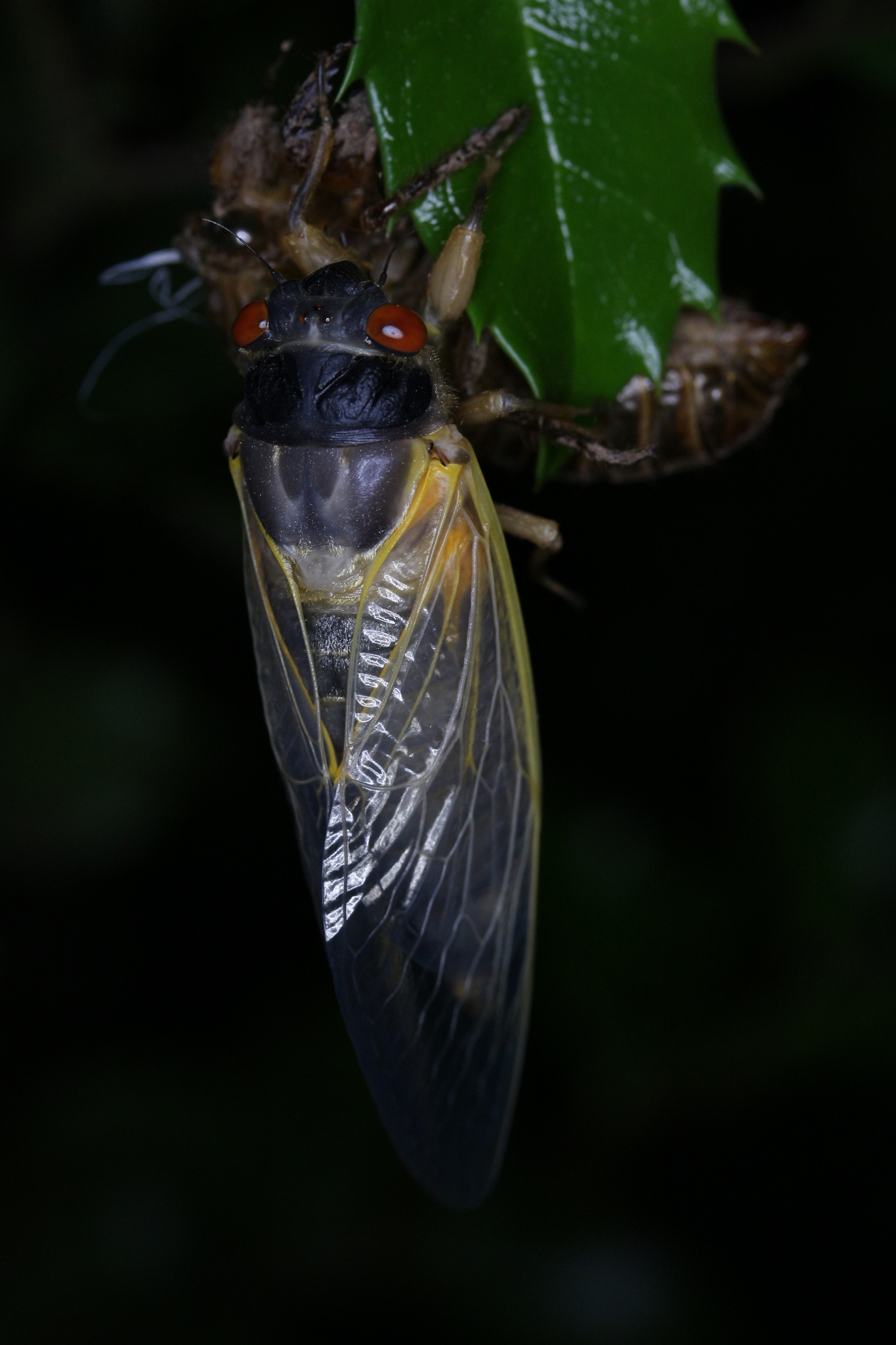
Magicicada molting by Roy Troutman

Magicicada with exuvia by Roy Troutman

Mustard eyed Magicicada septendecim by Roy Troutman

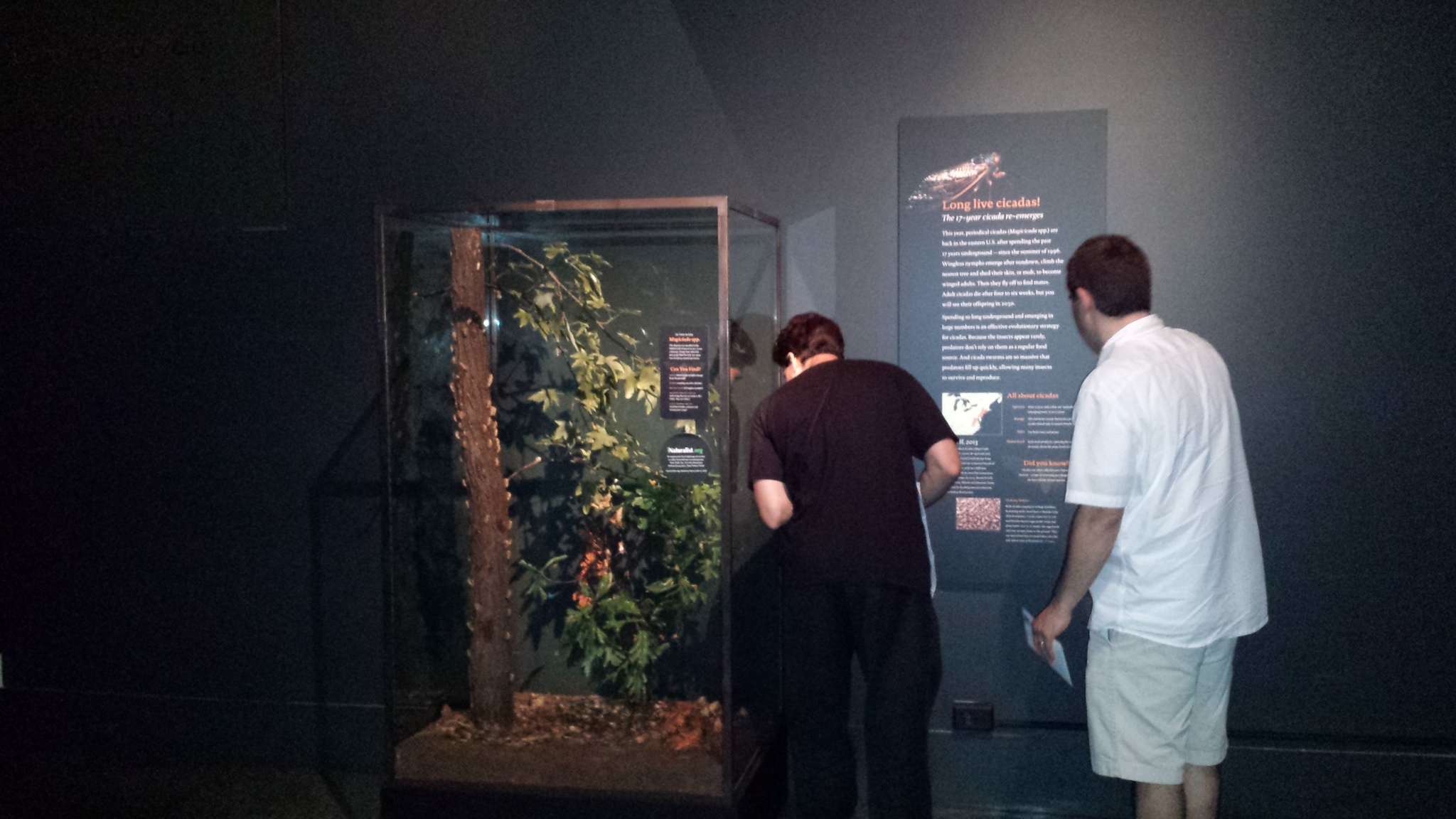
Roy Troutman and Elias Bonaros at the Periodical Cicada display at the American Museum of Natural History, photo by Michelle Troutman
Roy Troutman, John Cooley, Ed Johnson and Dan Mozgai

Roy Troutman, John Cooley, Ed Johnson and Dan Mozgai
Roy Troutman and Elias Bonaros at the Periodical Cicada display at the American Museum of Natural History by Michelle Troutman

Teneral Magicada by Roy Troutman

Categories
Brood II Edward Johnson John Cooley Magicicada Mating Periodical Roy Troutman

Roy Troutman’s 2013 Brood II cicada photos, gallery 2

When Roy Troutman visited New Jersey and New York in 2013 for Brood II he took a lot of great cicada photos.
Here is a sample of the best.
Click the images for a larger version.
Visit Gallery #1 and Gallery #3 as well.

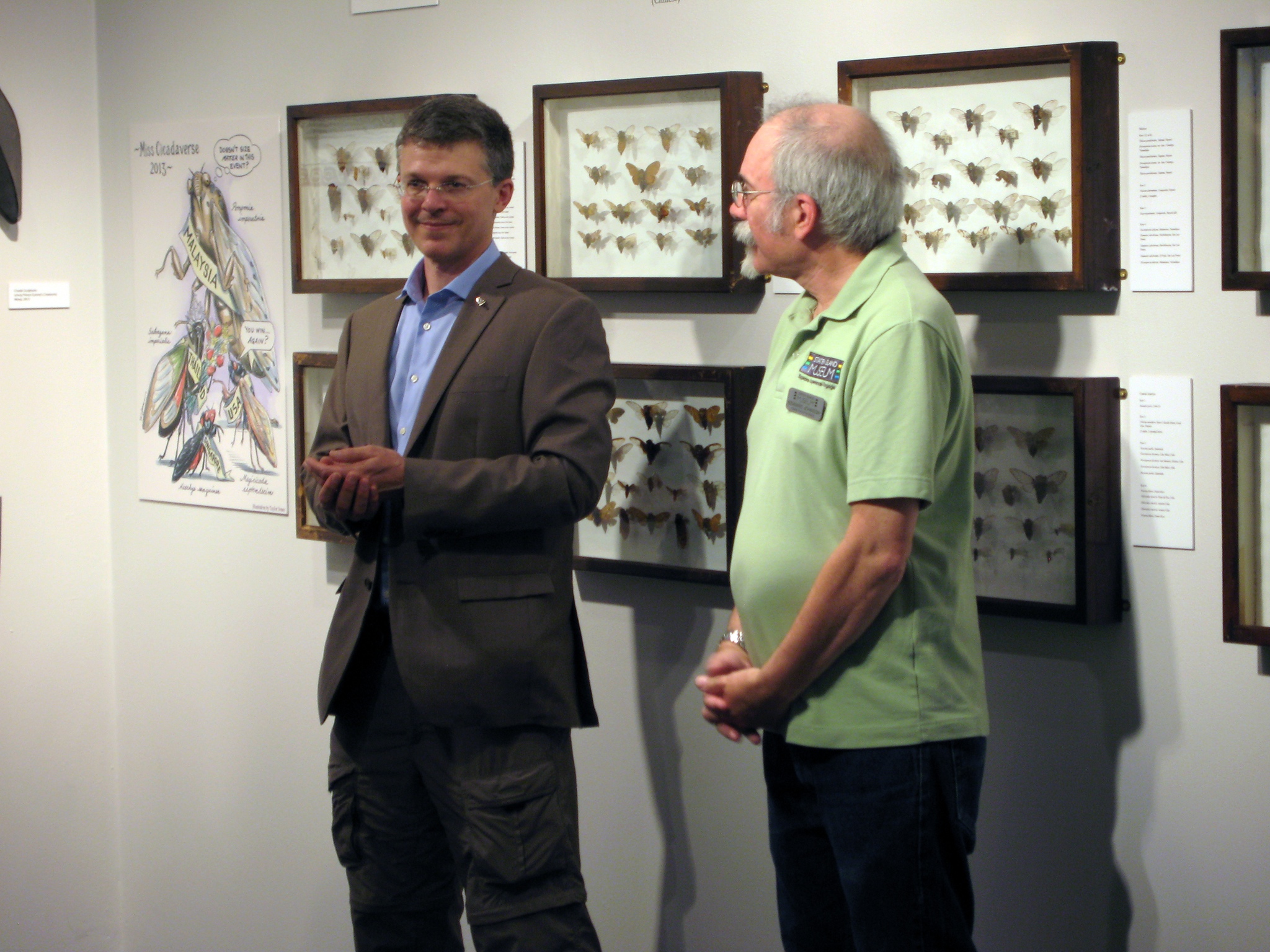
John Cooley and Ed Johnson speaking at the Staten Island Museum Six Legged Sex event by Roy Troutman

Light Up Cicada Sculpture at the Staten Island Museum by Roy Troutman

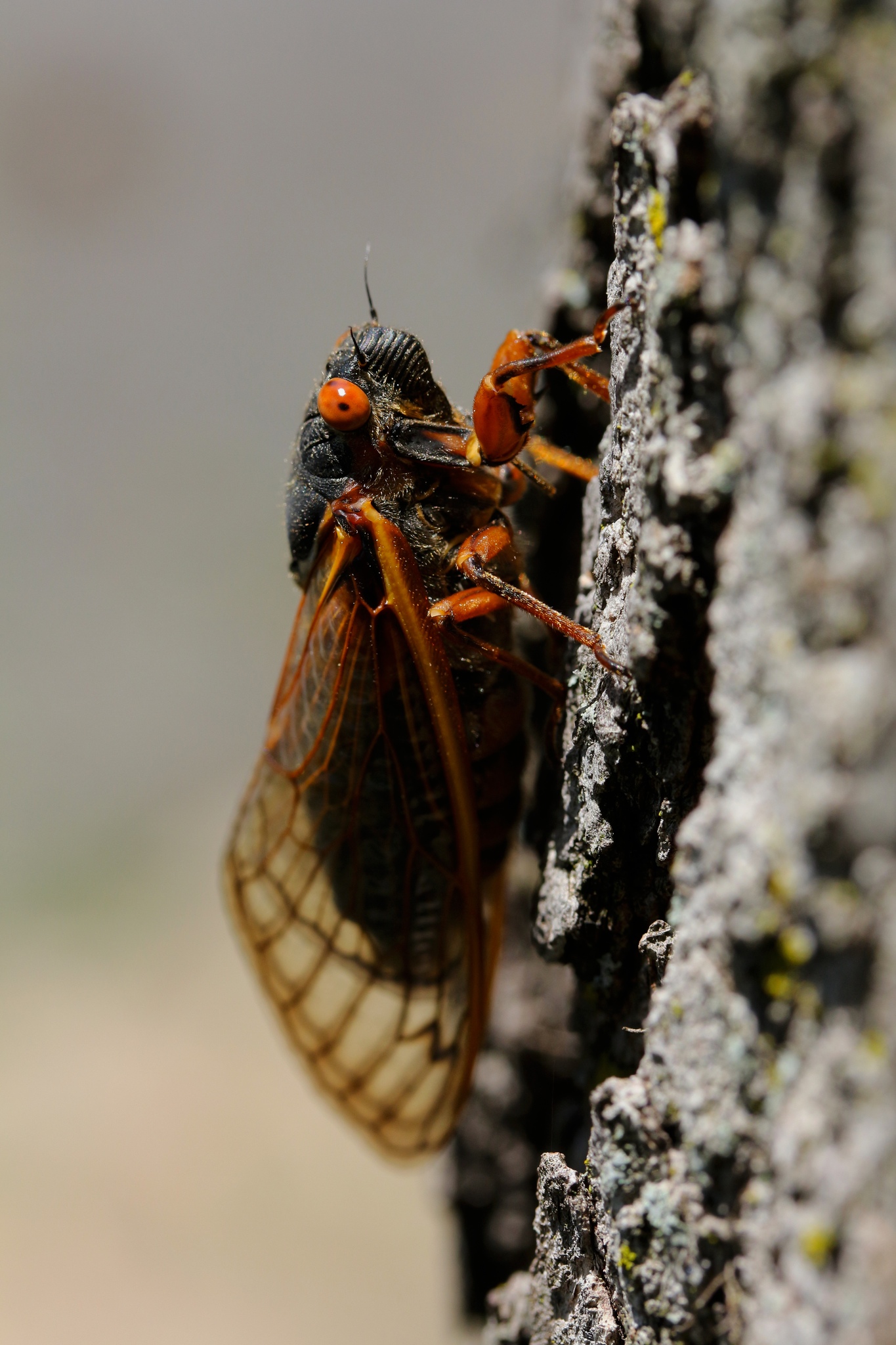
Magicicada septendecim by Roy Troutman
M. septendecim by Roy Troutman

Magicicada cassini flying inbetween calling in Colonia NJ by Roy Troutman

Magicicada cassini in flight in Colonia NJ by Roy Troutman

Magicicada corpses and exuvia by Roy Troutman

Magicicada mating by Roy Troutman

Magicicada exuvia by Roy Troutman

Magicicada septendecim mating by Roy Troutman

Magicicada staring at you by Roy Troutman