Categories
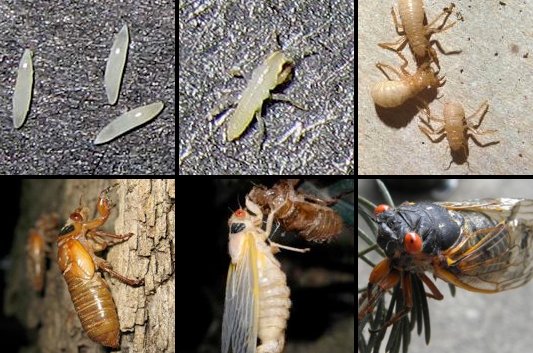
Life Cycle

Different Types of Cicada Life Cycles

There are three types of cicada life cycles:

Annual: Cicada species with annual life cycles emerge every year, for example, Swamp Cicadas (Neotibicen tibicen) emerge every year in the United States, and Green Grocers (Cyclochila australasiae) emerge every year in Australia.

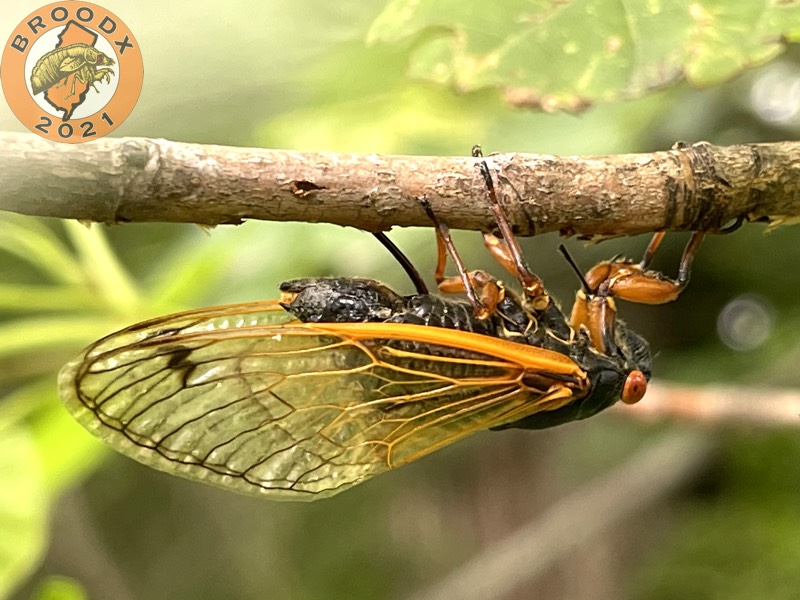
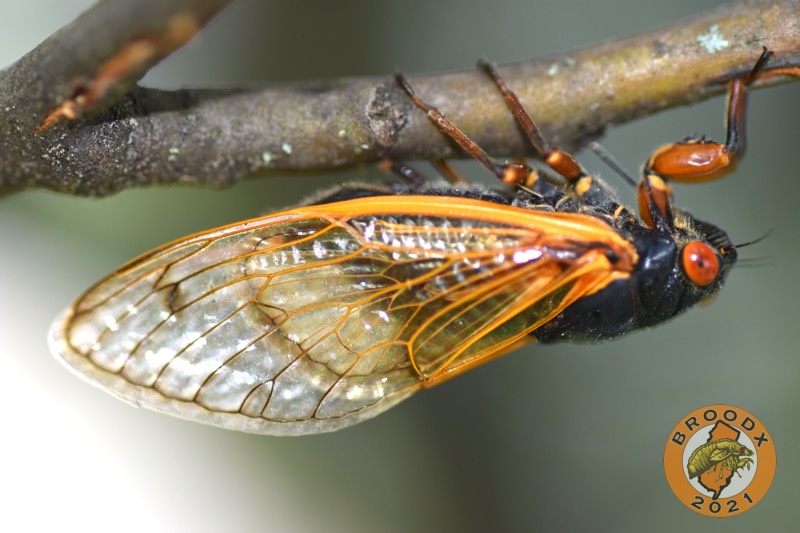
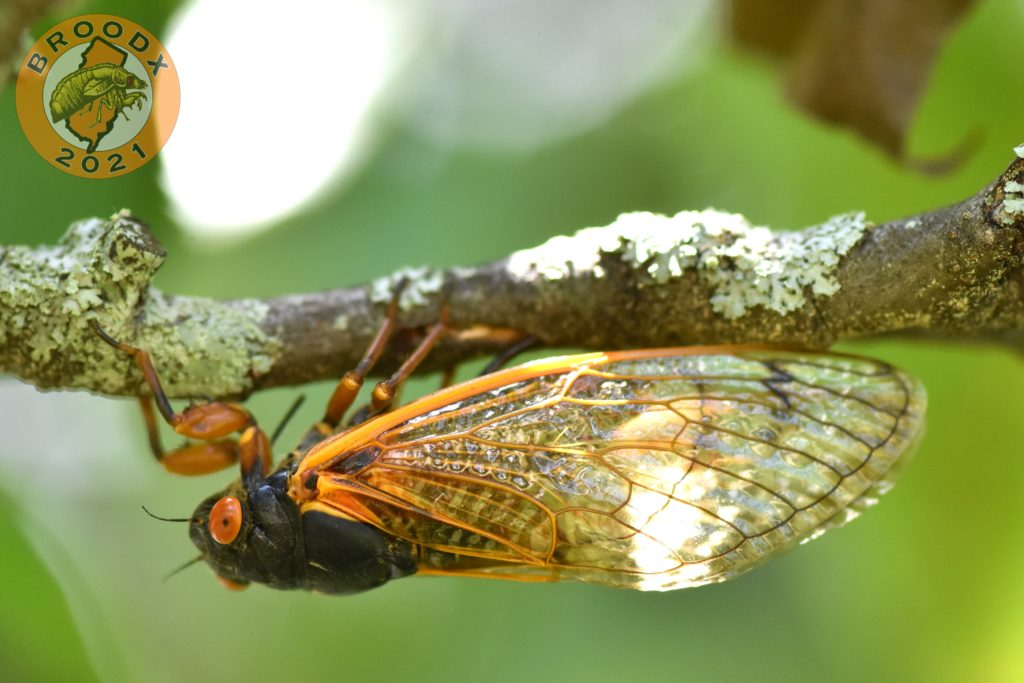
Periodical: Cicadas species with periodical life cycles emerge together after long periods of time, for example, Magicicada septendecim will emerge every 17 years (Find out where they’ll emerge next). Magicicada periodical cicadas are organized into Broods, which correspond to the series of years in which they will emerge. Only periodical cicadas are organized by Roman-numeral Broods.

Protoperiodical: Cicada species with protoperiodical life cycles might emerge every year, but every so many years they emerge together in large numbers, like certain Okanagana depending on factors like proximity to other species and rainfall accumulations (Chatfield-Taylor 2020).

Categories
Brood I Periodical

Meanwhile… Brood I

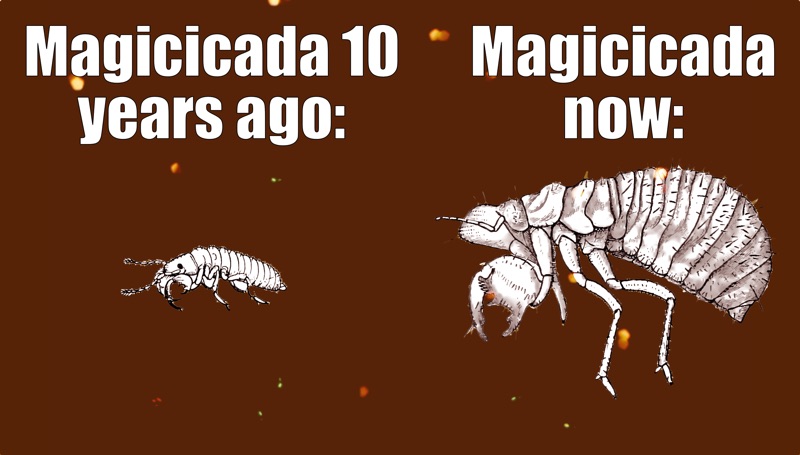
If you’re a Brood I cicada, you’re probably instar 4.

10 years ago meme (which is a thing in January of 2022):
10 year meme

Categories
Brood X Jim Occi Magicicada Periodical

Brood X Magicicada photos by Jim Occi taken in Princeton, set 6

Brood X Magicicada photos by Jim Occi taken in Princeton, set 6. 2021.

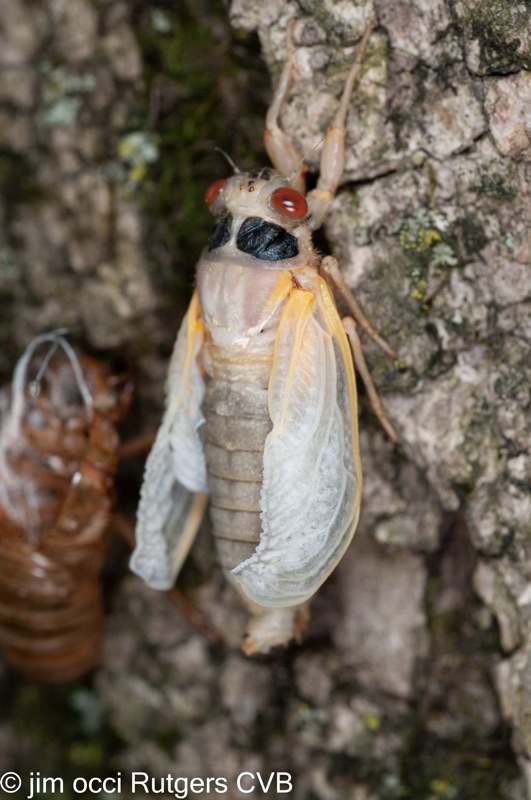
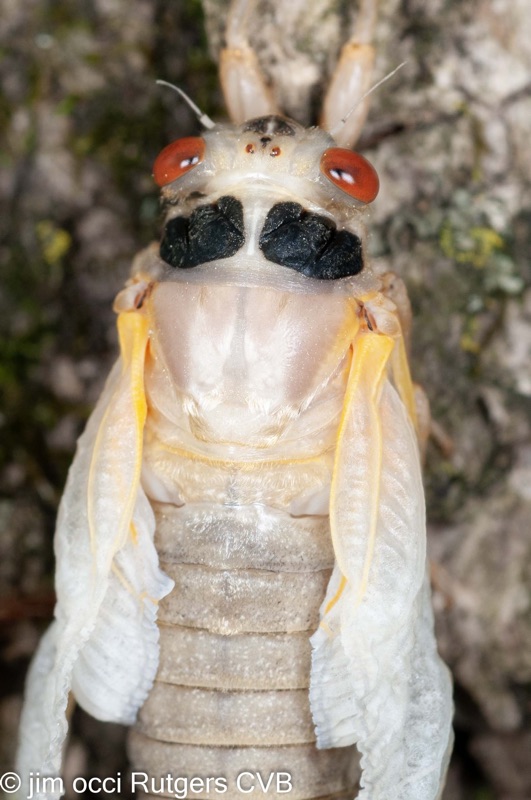
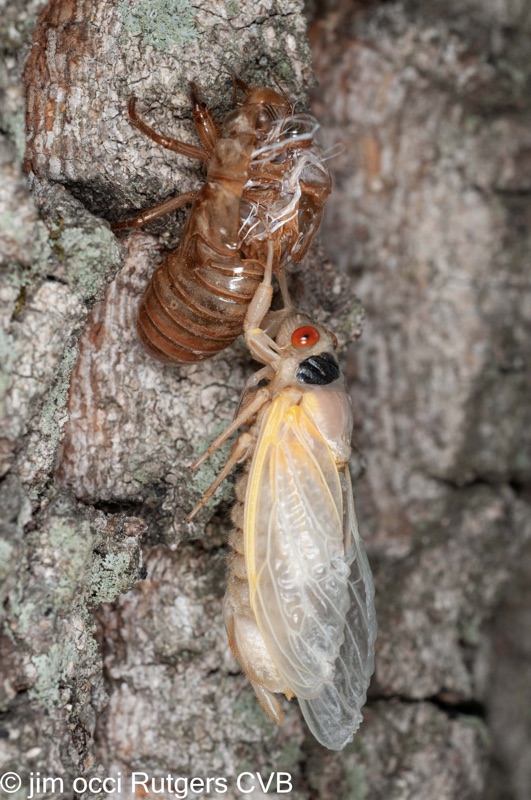
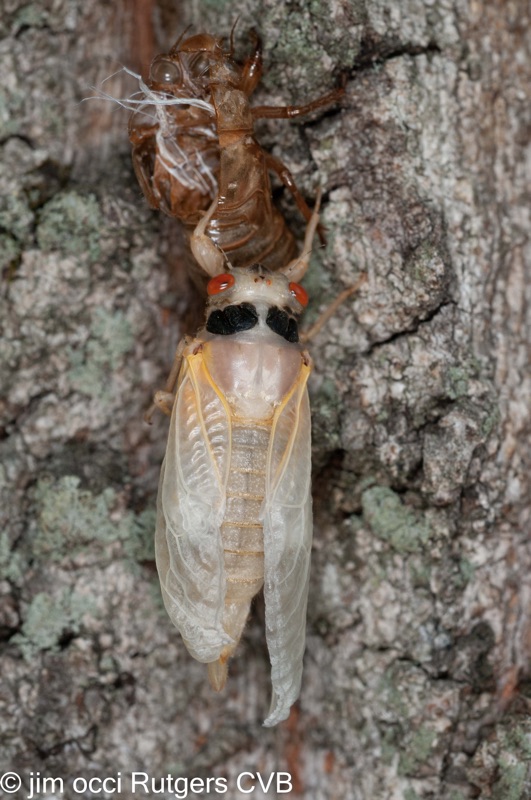
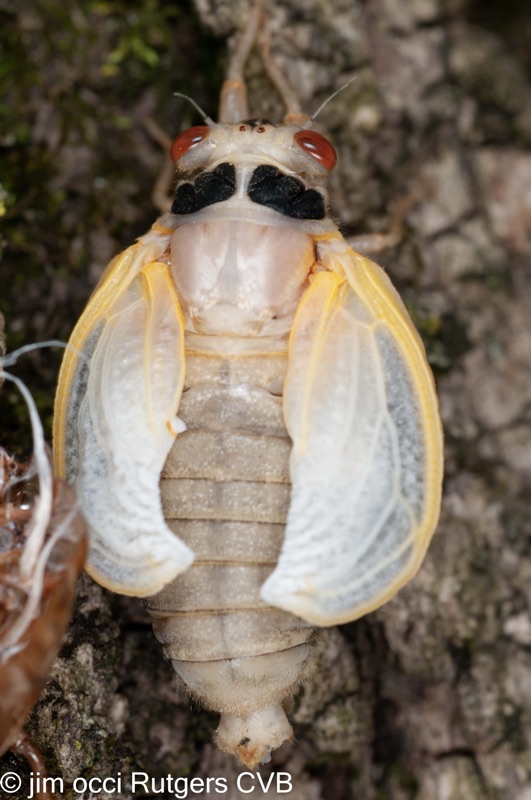
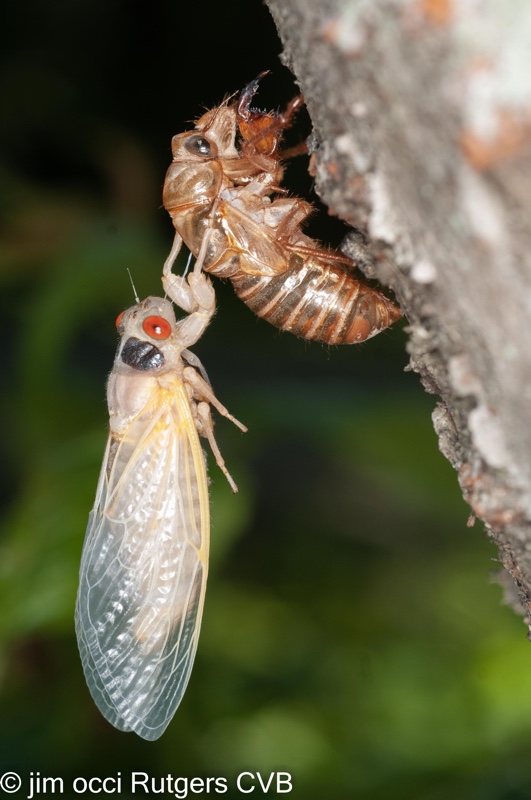
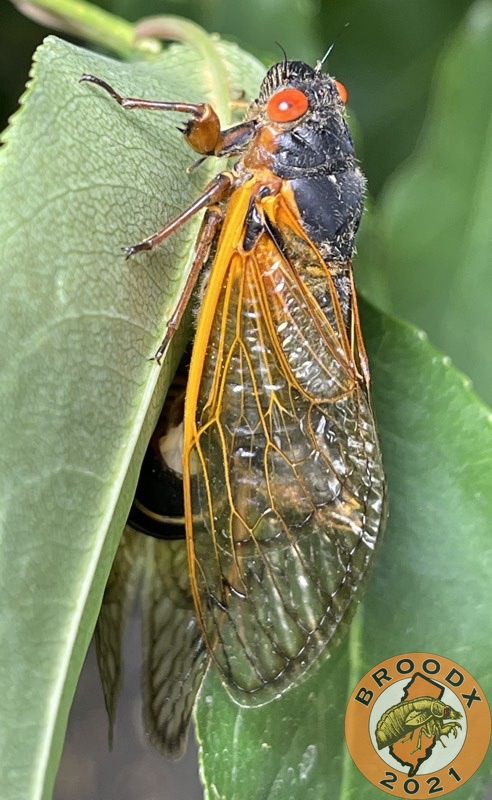
Teneral Magicicada:
Teneral Magicicada

Teneral Magicicada:
Teneral Magicicada

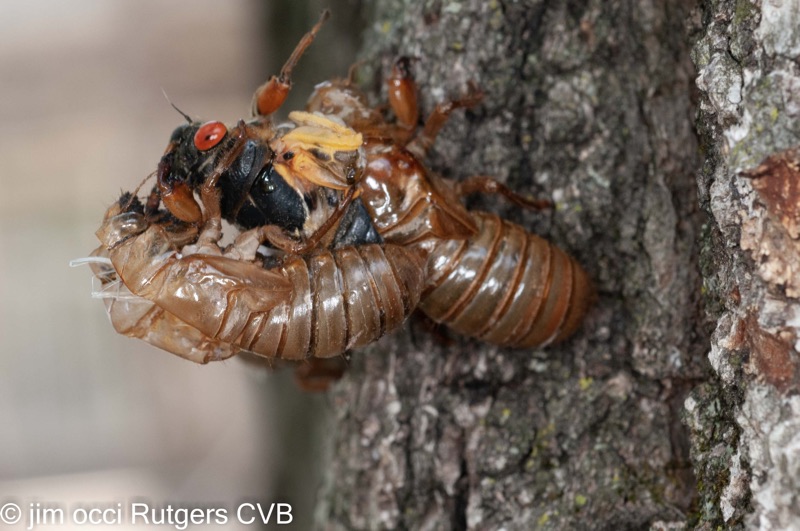
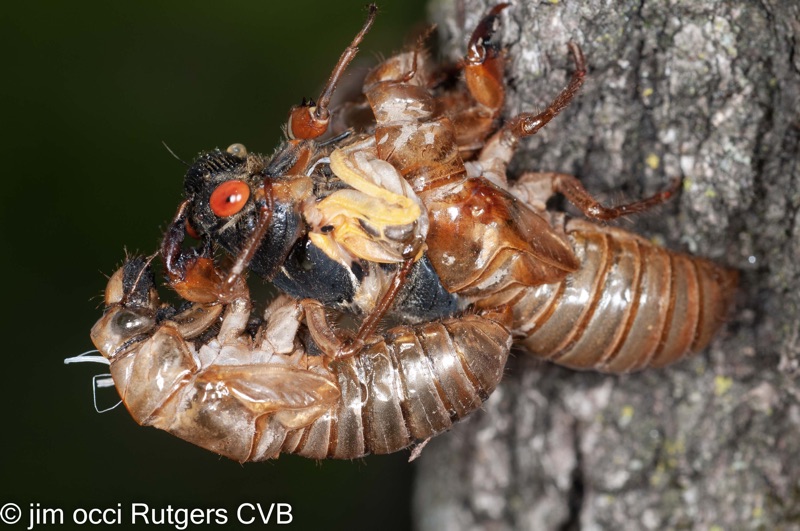
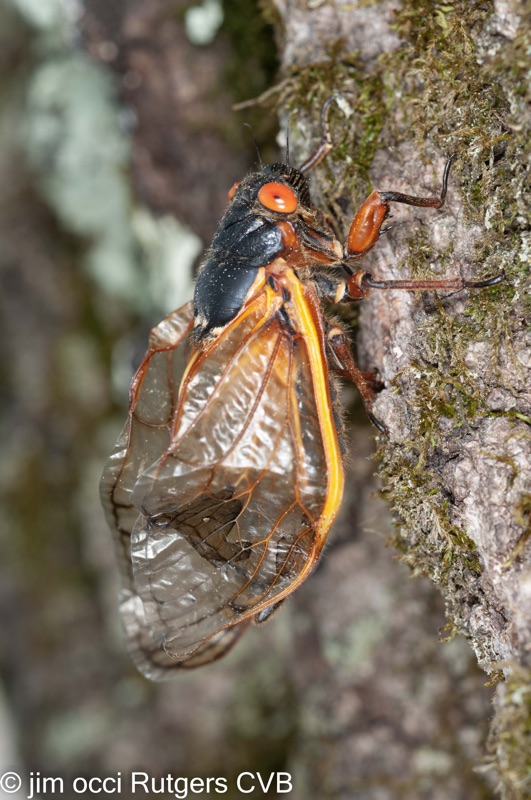
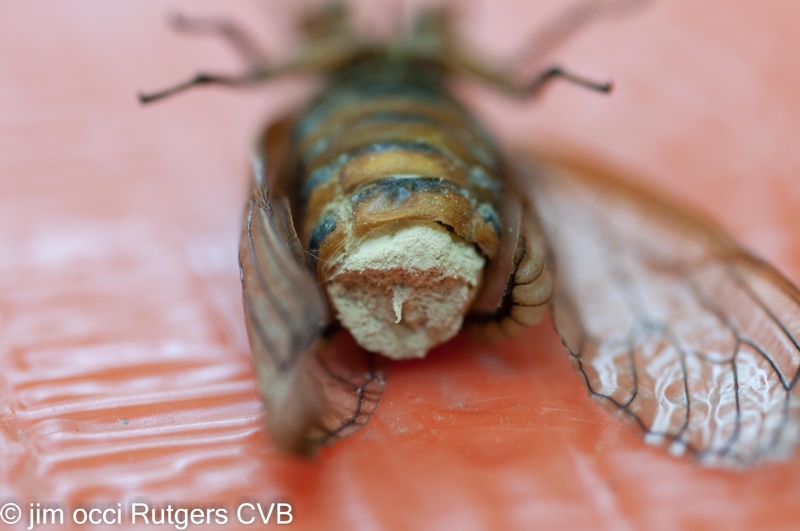
Magicicada septendecim that failed to completely exit its exuvia before its body hardened:
Magicicada Jim Occi

Magicicada septendecim that failed to completely exit its exuvia before its body hardened:
Magicicada Jim Occi

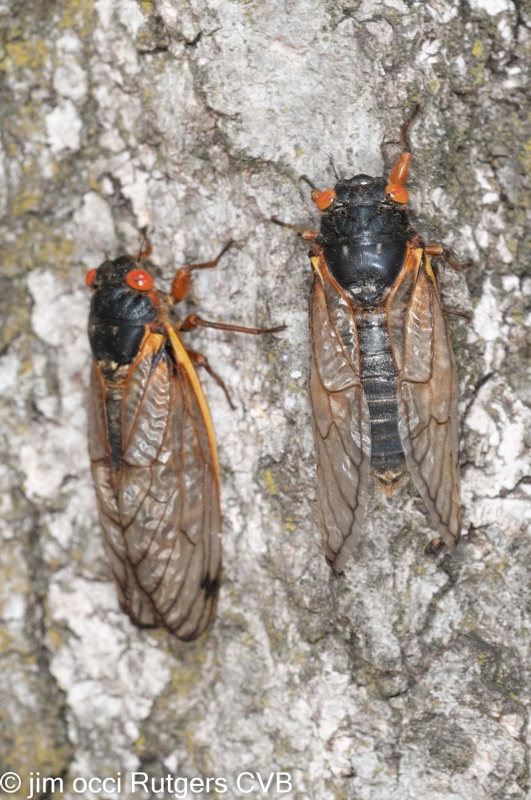
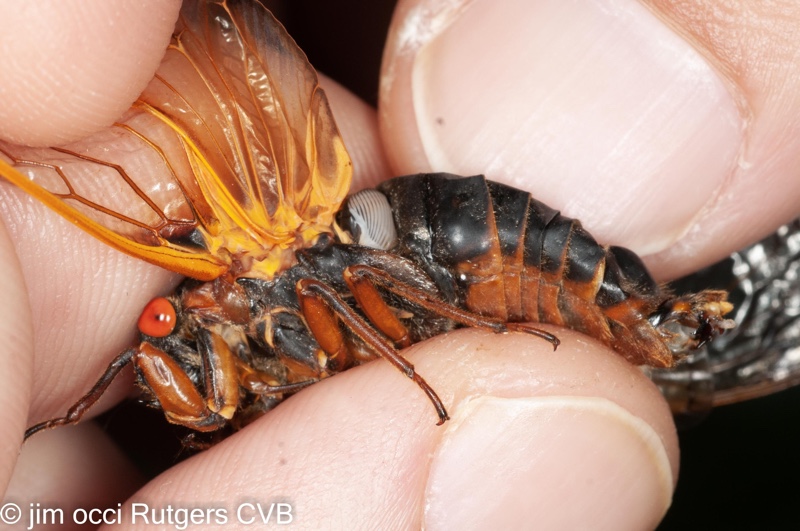
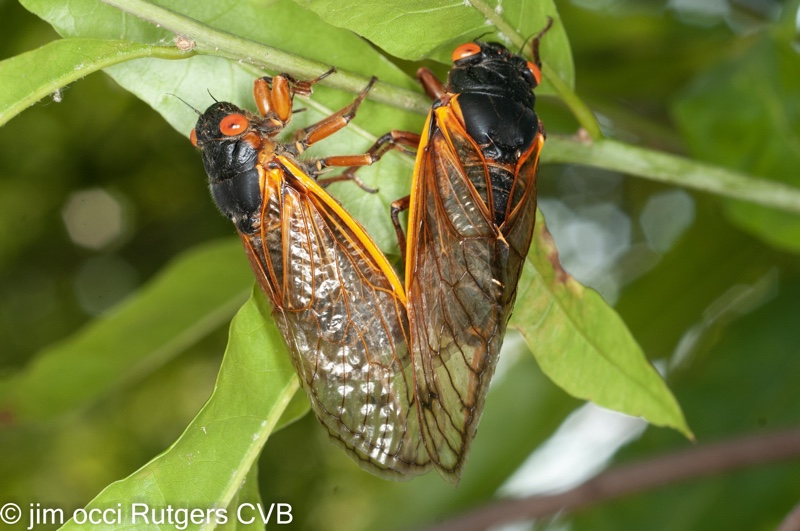
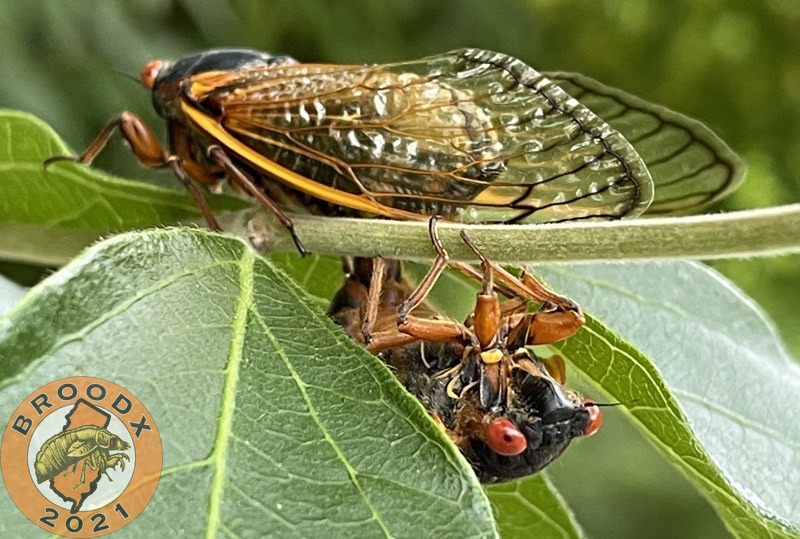
A pair of Magicicada septendecim:
A pair of Magicicada Jim Occi

More from Jim Occi:

Categories
Brood X Jim Occi Magicicada Periodical

Brood X Magicicada photos by Jim Occi taken in Princeton, set 5

Brood X Magicicada photos by Jim Occi taken in Princeton, set 5. 2021.

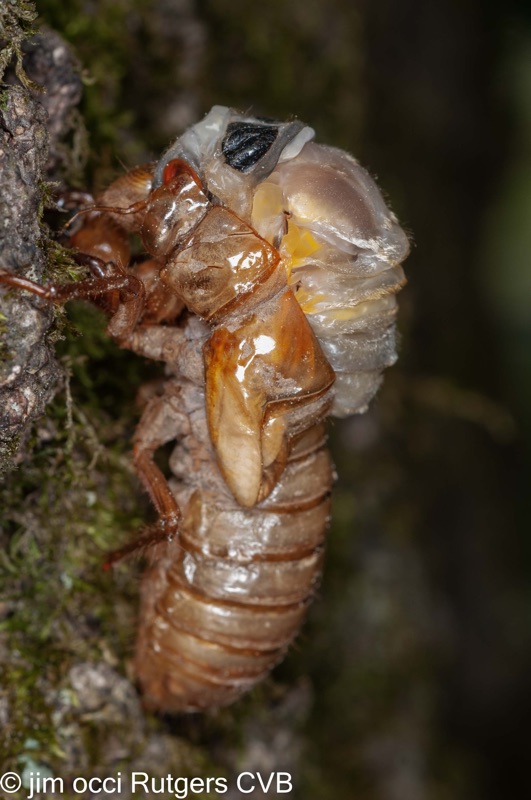
Molting Magicicada:
Molting Magicicada

Teneral Magicicada:
Teneral Magicicada

Teneral Magicicada:
Teneral Magicicada

Teneral Magicicada expanding wings:
Teneral Magicicada

Adult Magicicada with crumpled wings:
Adult Magicicada with crumpled wings

More from Jim Occi:

Categories
Brood X Jim Occi Magicicada Periodical

Brood X Magicicada photos by Jim Occi taken in Princeton, set 4

Brood X Magicicada photos by Jim Occi taken in Princeton, set 4. 2021.

A Rutgers cap in Princeton (one day Rutgers needs to get that cannon back).
R

Magicicada septendecim with exposed tymbal:
Exposed tymbal

A Magicicada with its abdomen wrecked by Massospora fungus.
Magicicada wrecked by Massospora

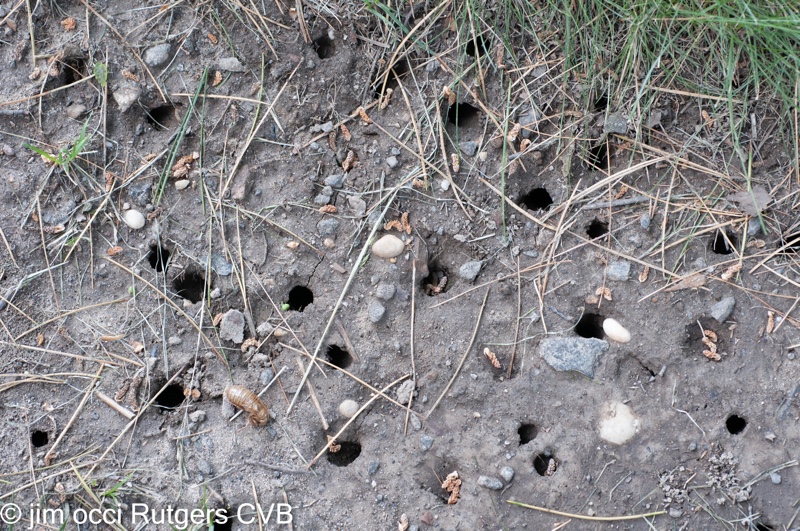
Magicicada exit holes:
Magicicada holes by Jim Occi

A pair of Magicicada septendecim:
A pair of Magicicada

More from Jim Occi:

Categories
Brood X Jim Occi Magicicada Periodical

Brood X Magicicada photos by Jim Occi taken in Princeton, set 3

Brood X Magicicada photos by Jim Occi taken in Princeton, set 3. 2021.

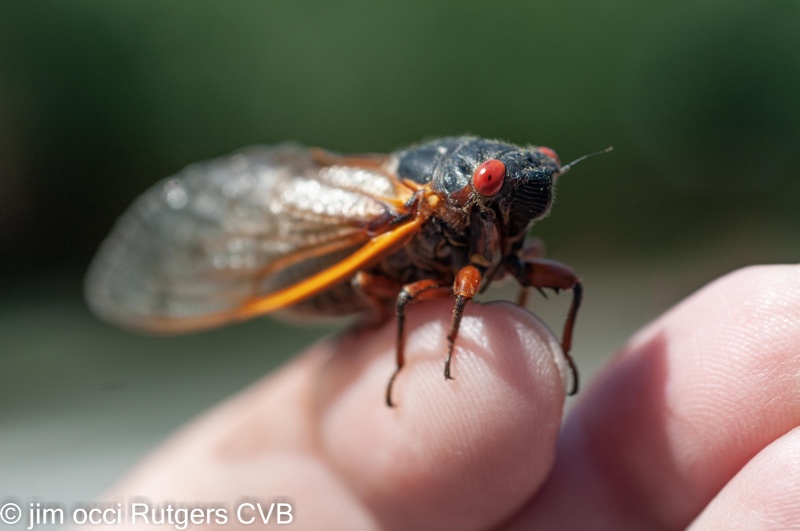
Magicicada septendecim on finger:
Perched on finger

Teneral, newly molted Magicicada:
Teneral Magicicada

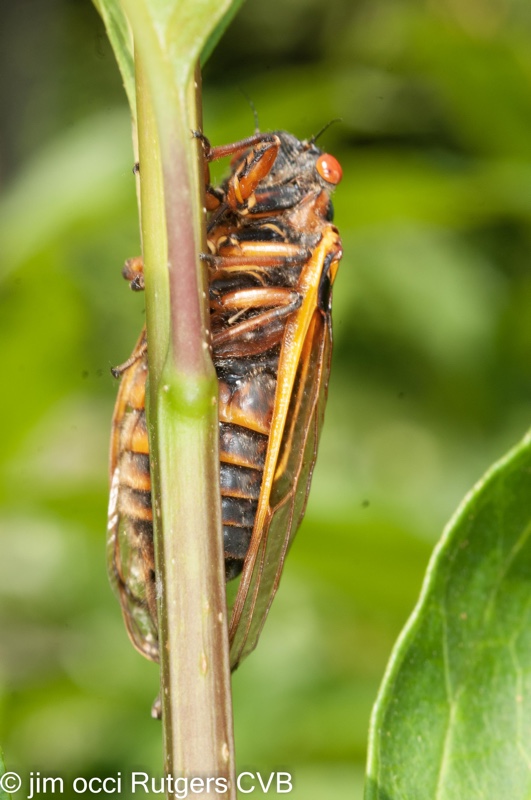
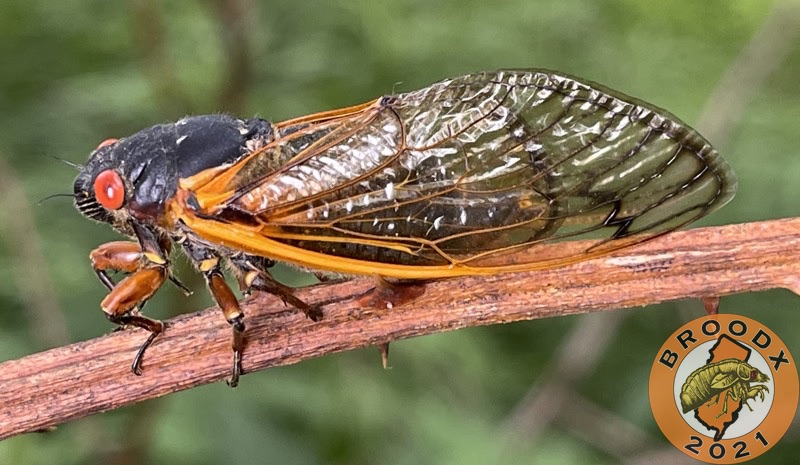
Magicicada septendecim perched on a plant stalk:
Magicicada on plant Jim Occi

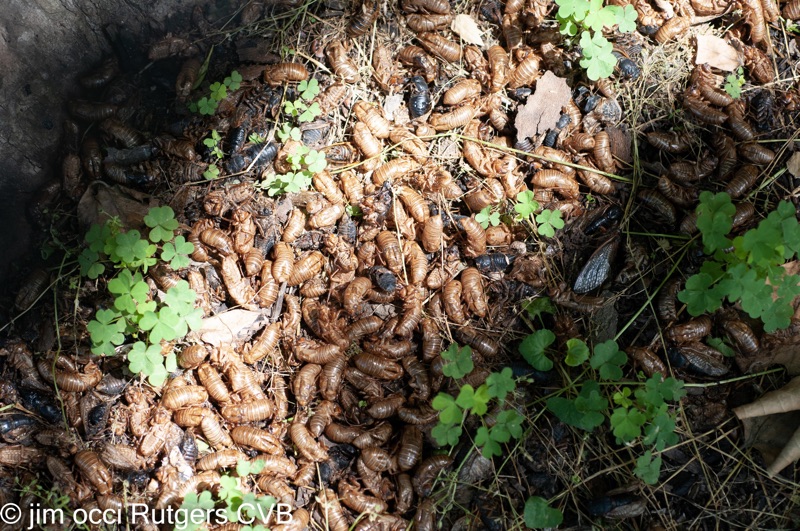
A mass of Magicicada skins:
A mass of exuvia by Jim Occi

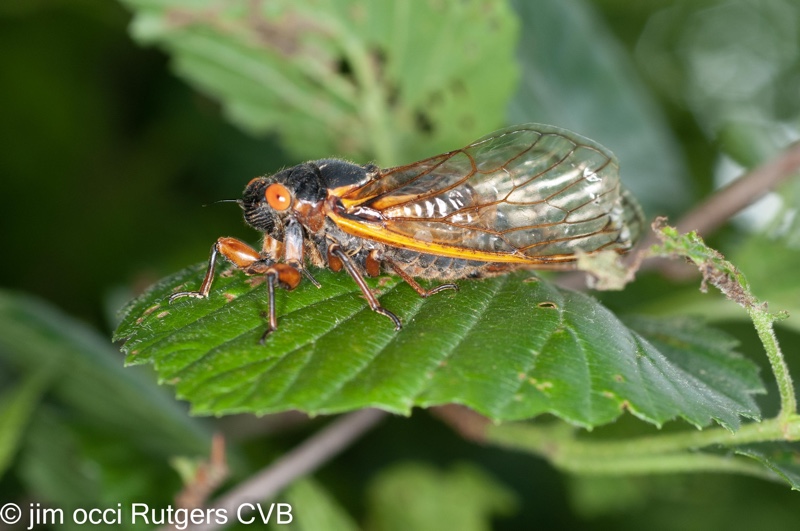
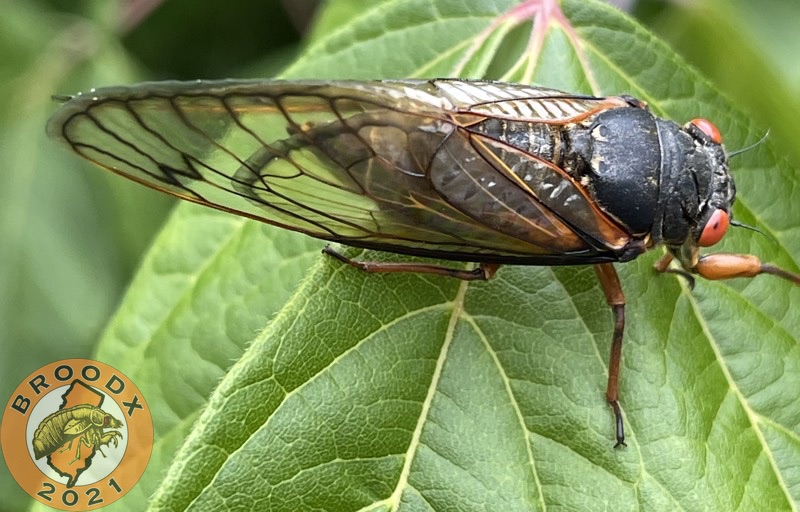
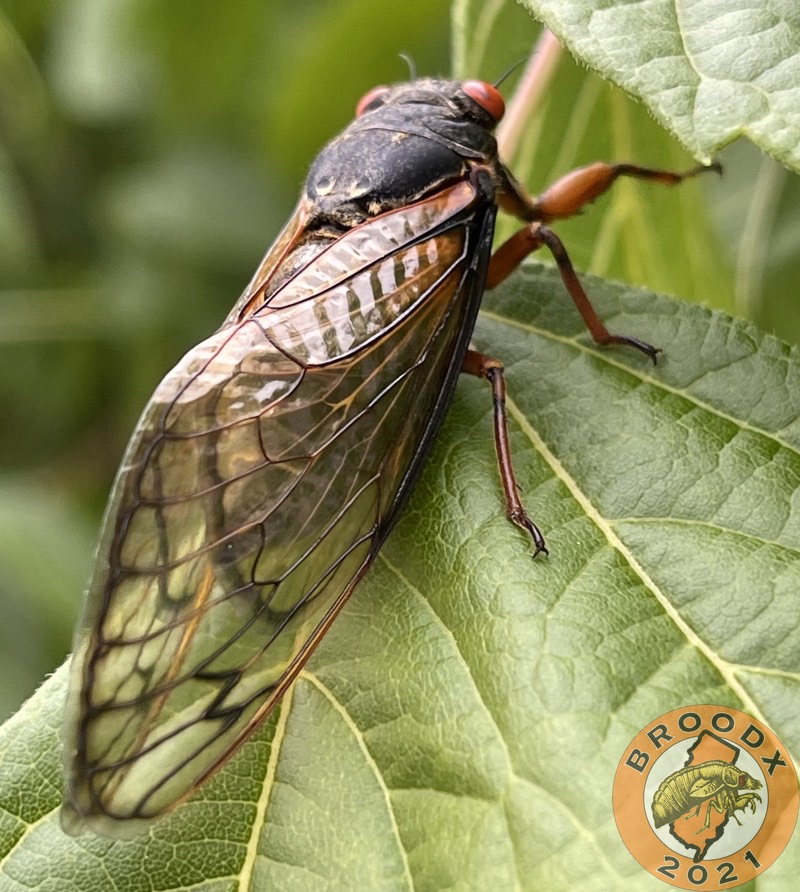
Magicicada septendecim on a leaf:
Magicicada on leaf

More from Jim:

Categories
Brood X Magicicada Ovipositing Periodical

Magicicada cassinii photos from Brood X

Here are some Magicicada cassinii photos from Brood X, 2021, Flemmington, New Jersey.

Magicicada cassinii ovipositing
Magicicada cassini ovipositing

M. cassinii taking a drink:
Taking a Drink Cassini

Categories
Flagging Magicicada Ovipositing Periodical

Examples of flagging from Brood X in Princeton

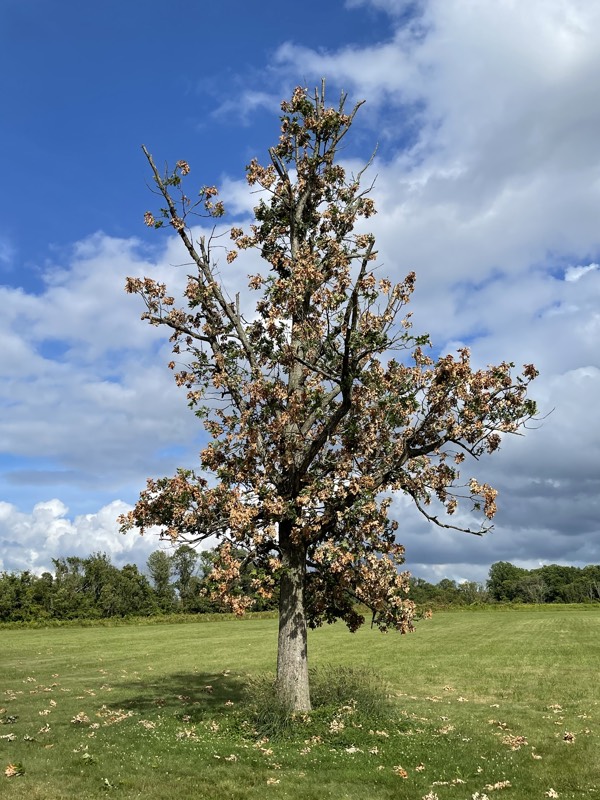
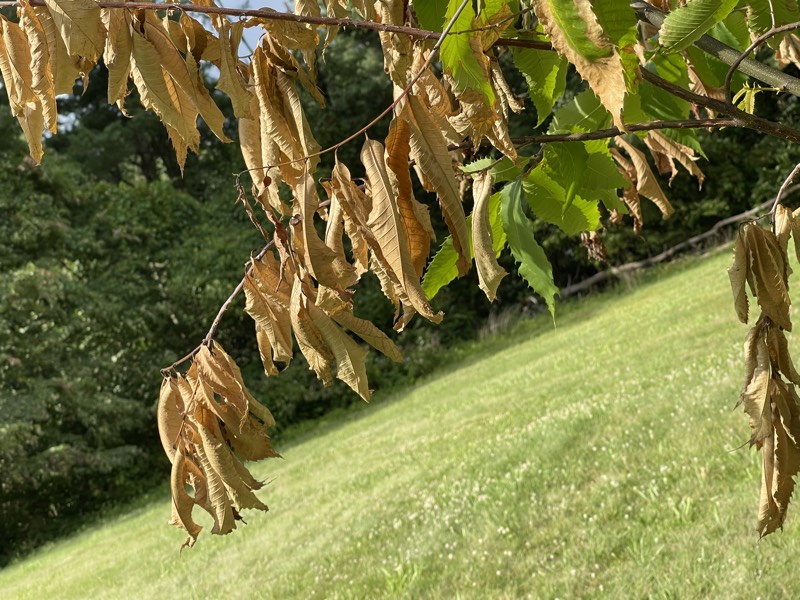
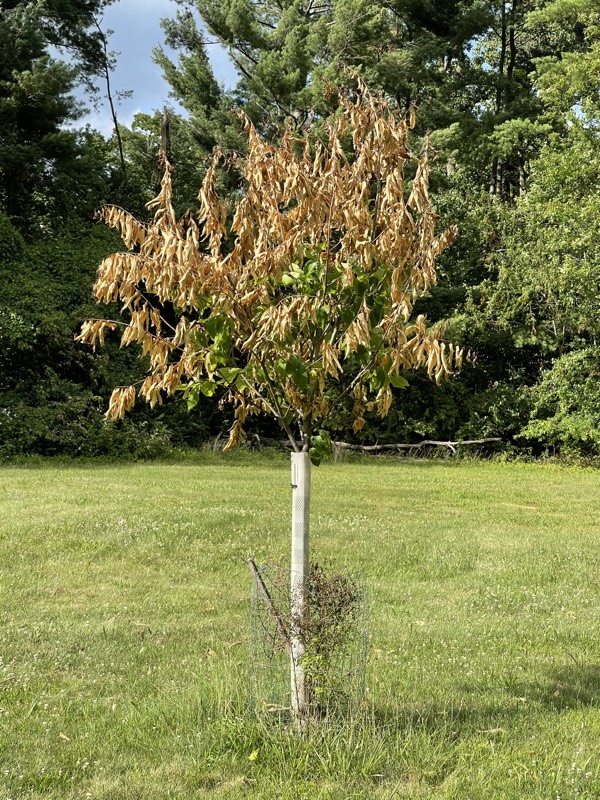
When Magicicada cicadas deposit eggs into a tree branch sometimes the branch dies, the leaves turn brown, and the branch droops like a flag. This is called flagging.

Here are some examples of flagging from the Brood X emergence in Princeton, NJ.

Typically flagging is more impactful to trees imported to North America, but it also impacts native species. The positive aspect is it prunes weaker branches, which helps the tree, and helps other plants in the shade of the tree.

If you want to learn whether eggs/larva survive flagging read FLAGGING: HOSTS DEFENCES VERSUS OVIPOSITION STRATEGIES IN PERIODICAL CICADAS (MAGICICADA SPP., CICADIDAE, HOMOPTERA) by JoAnn White. Hint: very few survive.

A small tree with flagging:
A small oak with flagging

Flagging up close:
Flagging up close

Another small tree with flagging:
Another small tree with flagging

Categories
Brood X Magicicada Periodical

Brood X Magicicada Photos from Princeton

These are a set of Brood X Magicicada photos from Princeton, nearby a Burger King, an area with a large population of Magicicada septendecula. Taken in 2021 by Dan Mozgai.

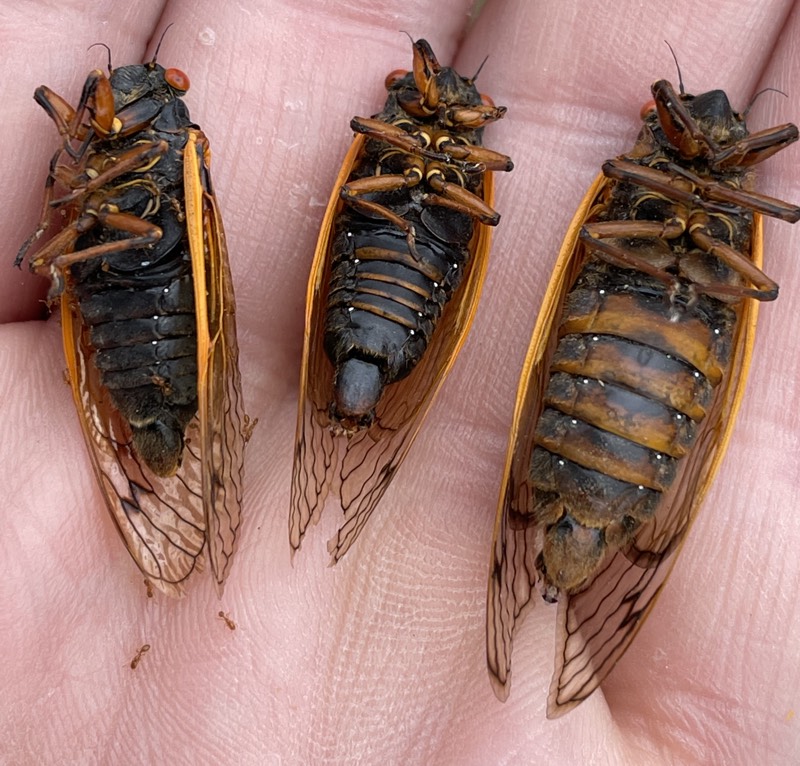
Left to right: Magicicada cassini, Magicicada septendecula, Magicicada septendecim:

Magicicada septendecim with a black wing margin:
Magicicada septendecim with a black wing margin

Magicicada septendecim with a black wing margin:
Magicicada septendecim with a black wing margin

A pair of Magicicada septedecim:
A pair of Magicicada

Magicicada septendecim:
Magicicada septendecim

Magicicada septendecim:
Magicicada septendecim

Categories
Jin Yoshimura Magicicada Periodical

The Evolutionary Origin of Periodical Cicadas: A Sci-Fi Story by Jin Yoshimura

Here’s a video from Jin Yoshimura who researches periodical cicadas.

The Evolutionary Origin of Periodical Cicadas: A Sci-Fi Story:

The Evolutionary Origin of Periodical Cicadas: A Sci-Fi Story:
Periodical cicadas are known for their unique 17- and 13-year life cycles and mass emergence events. This mystery of why they would have evolved these two prime-numbered life cycles has attracted many biologists and mathematicians. Dr. Yoshimura will explore this phenomenon