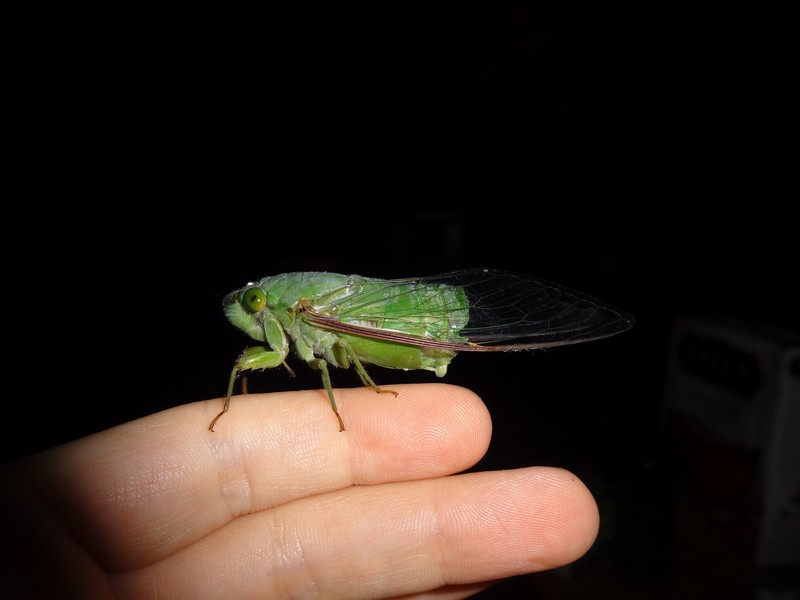
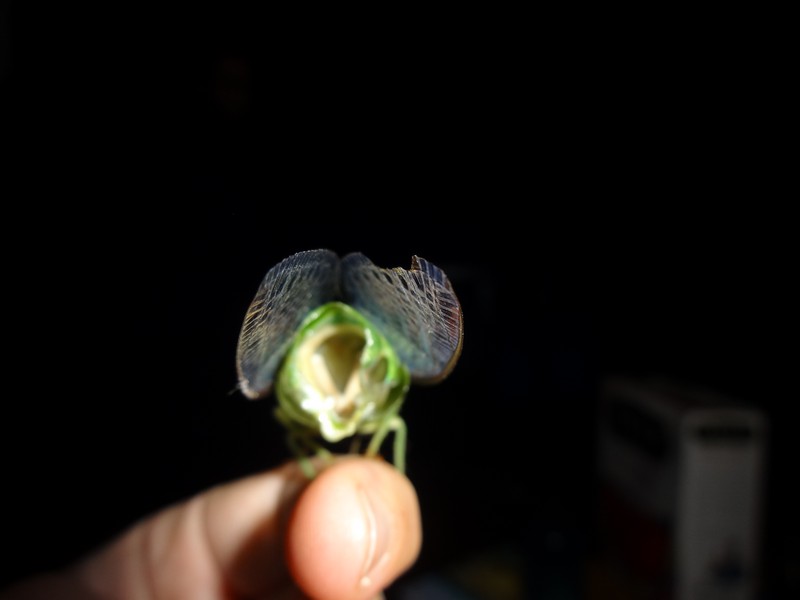
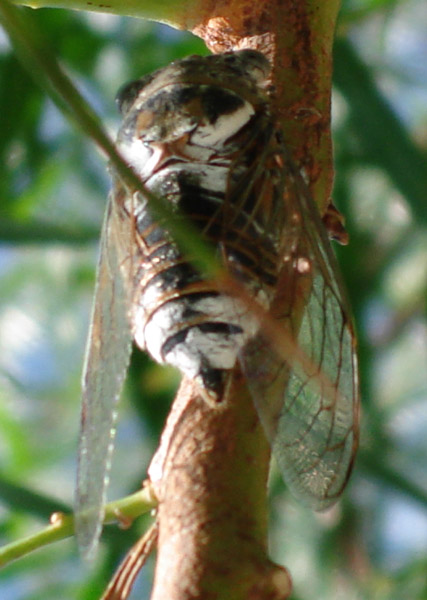
Squashed Megatibicen auletes. Not sure who stepped on it. It’s an interesting look at its anatomy.
* Note as of 2023 the name of this cicada has changed to Megatibicen grossus. You can also call it a Northern Dusk-Signing Cicada.
 Cicada Mania
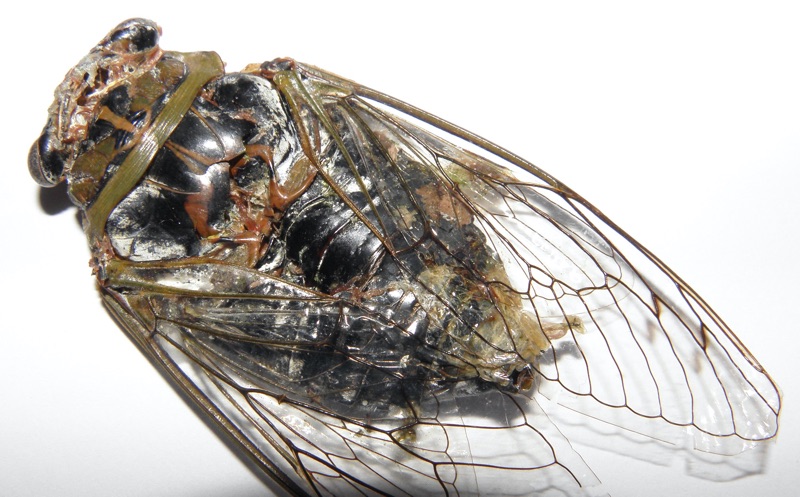
Squashed Megatibicen auletes. Not sure who stepped on it. It’s an interesting look at its anatomy.
* Note as of 2023 the name of this cicada has changed to Megatibicen grossus. You can also call it a Northern Dusk-Signing Cicada.
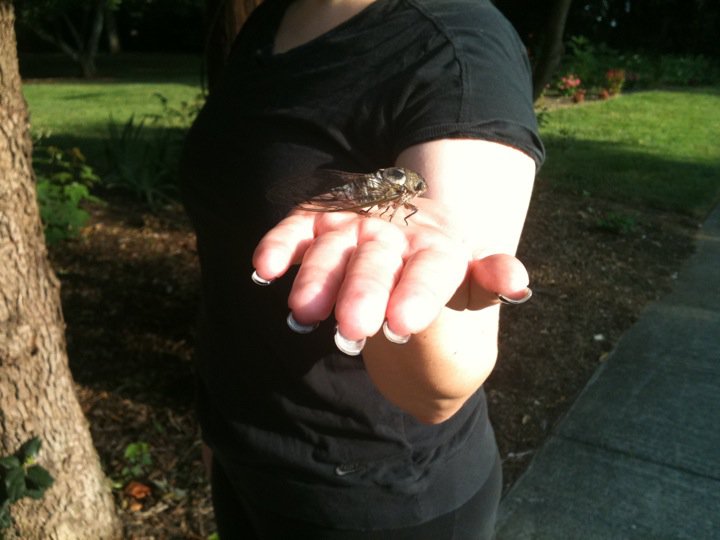
Megatibicen auletes found in Winston-Salem, NC by Erin Dickinson. The year was 2011. The cicada’s name was Mortimer. No kidding.
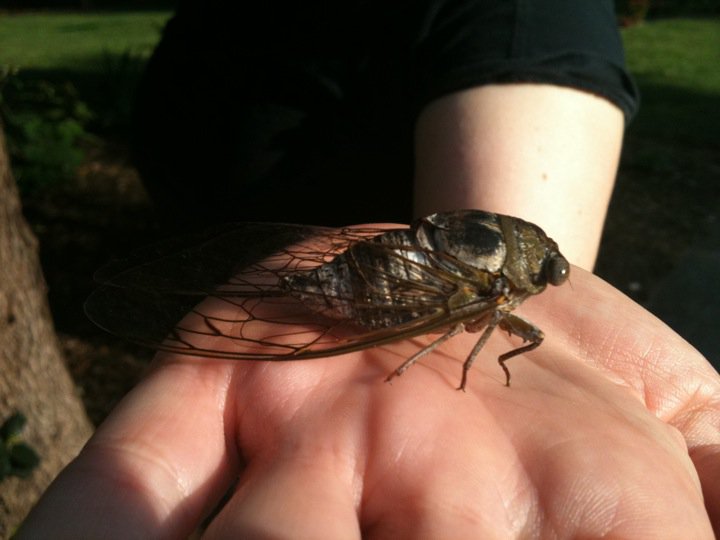
* Note as of 2023 the name of this cicada has changed to Megatibicen grossus. You can also call it a Northern Dusk-Signing Cicada.
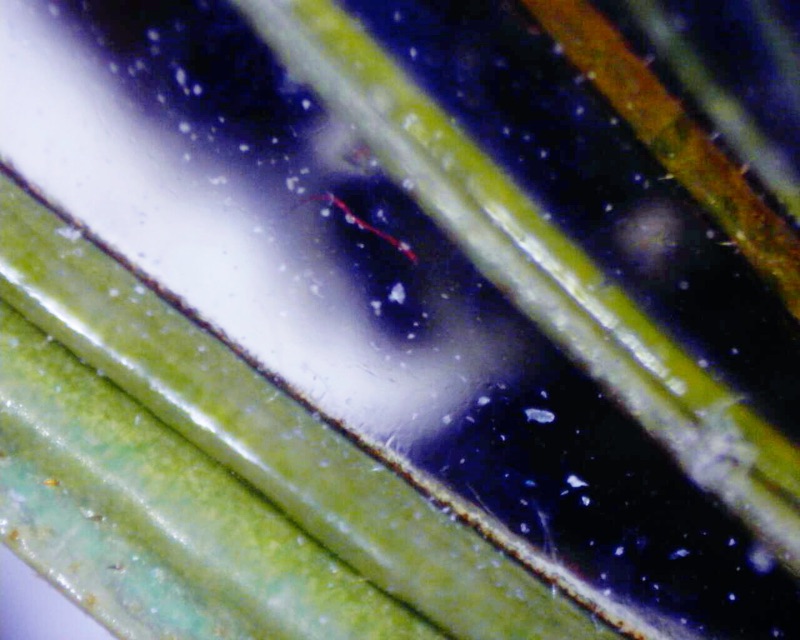
100x Magnification of Neotibicen tibicen cicada parts using an EyeClops camera. 2011.
N. tibicen clypeus:
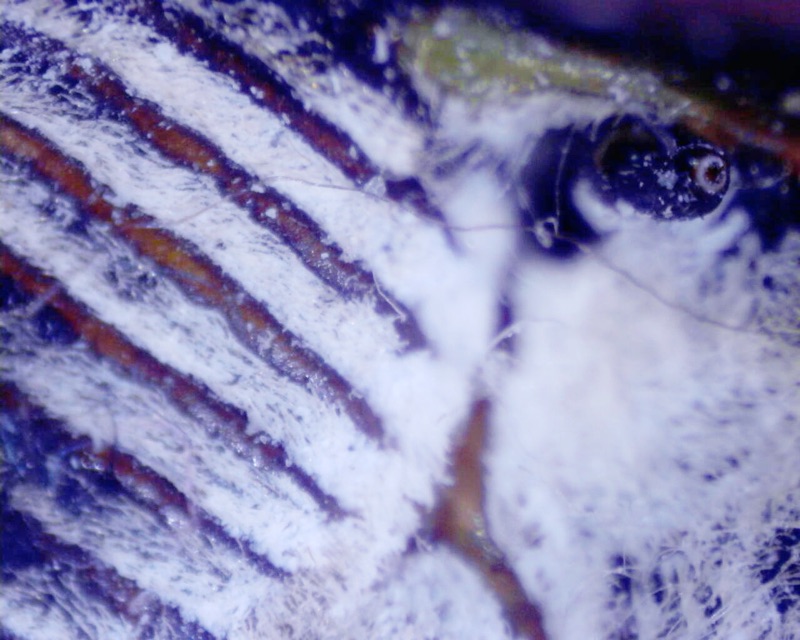
N. tibicen eye:
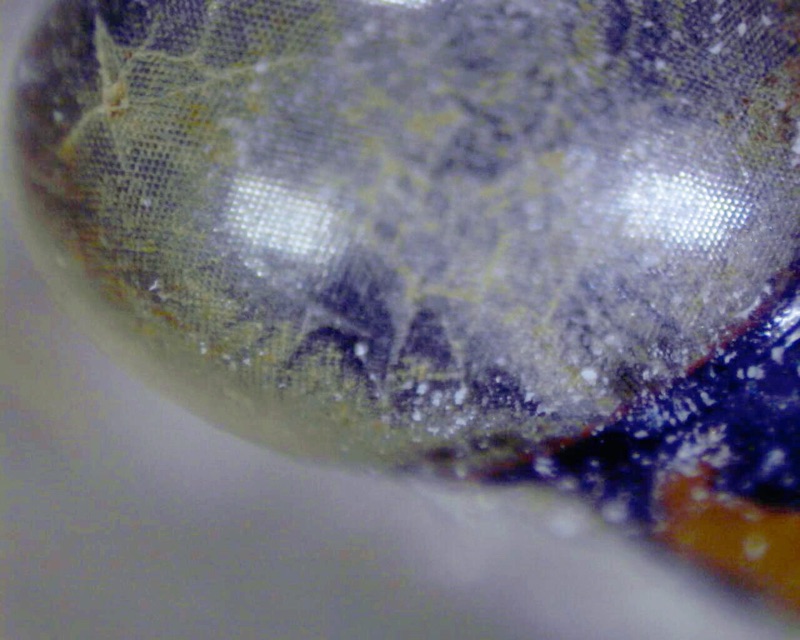
N. tibicen rostrum:
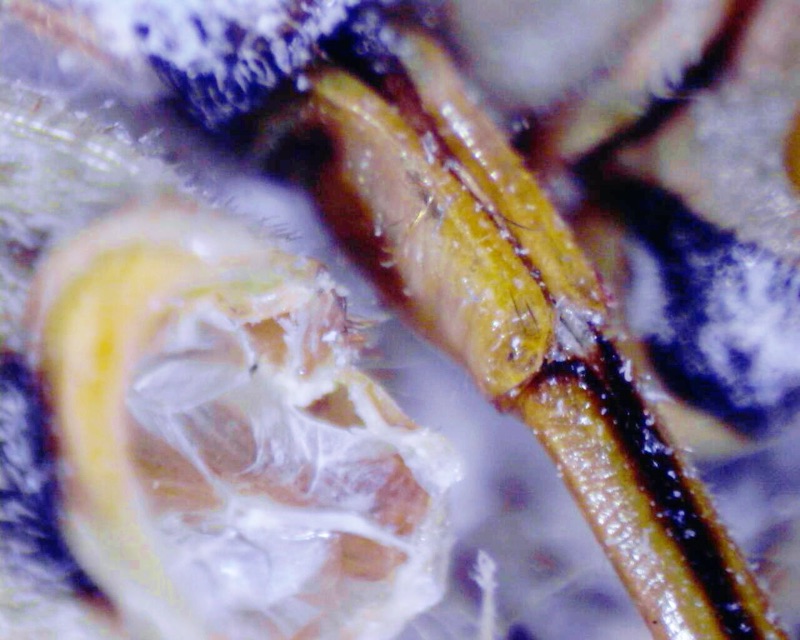
N. tibicen wing:
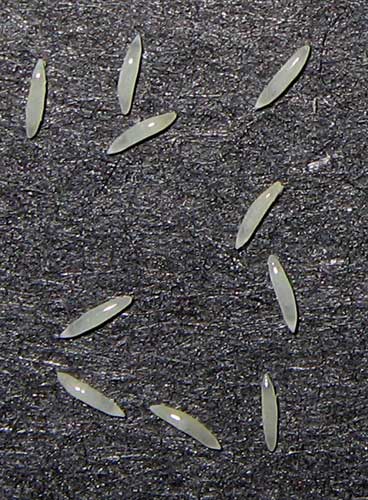
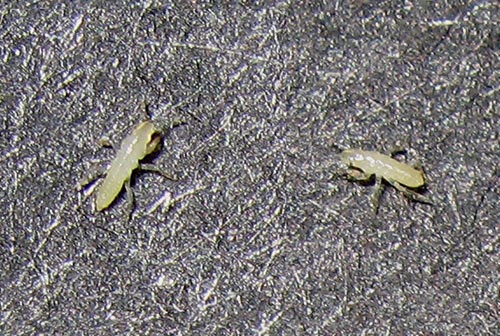
Cicada eggs and first instar nymph photos by Roy Troutman:
Cicada Eggs:
First instar cicada nymphs:
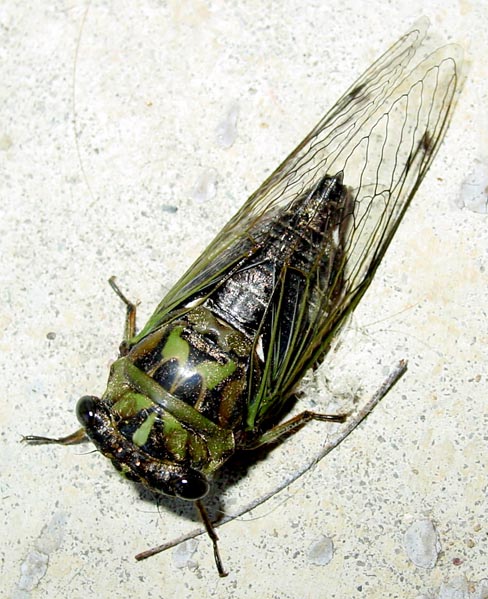
Tom Lehmkuhl sent us this photo of an uninvited house guest, a Neotibicen linnei cicada.
Wendy submitted this photo of a cicada taken this July in Kyrenia, Cyprus (yes, the island nation in the Mediterranean sea).
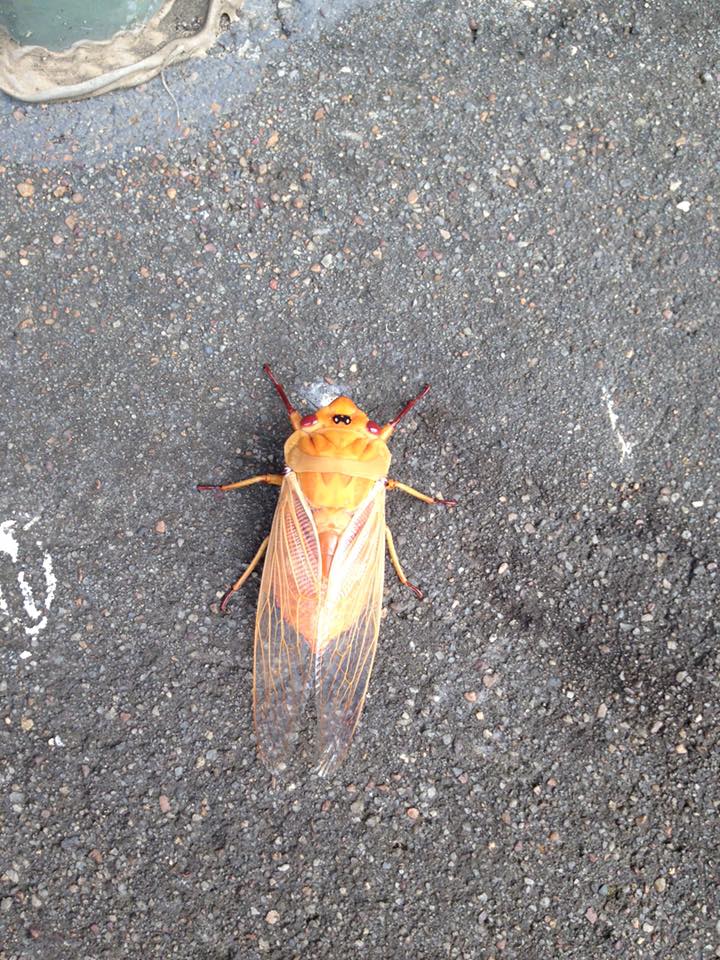
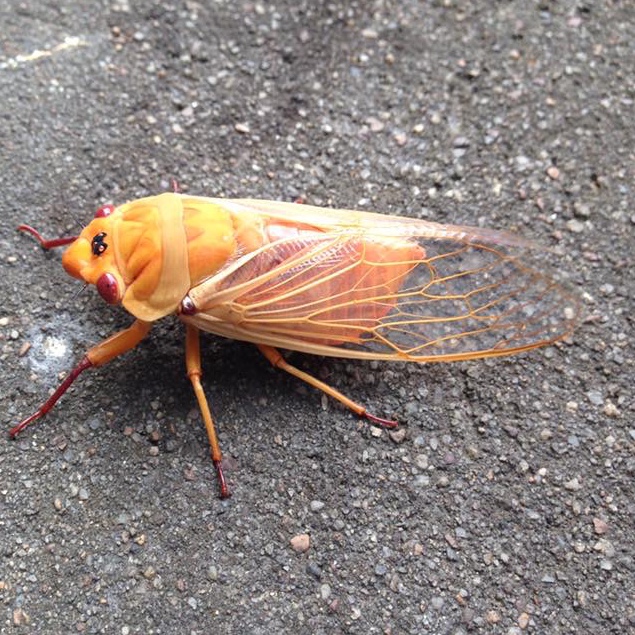
Yellow Monday (Cyclochila australasiae) photos by Tom Katzoulopolopoulous.
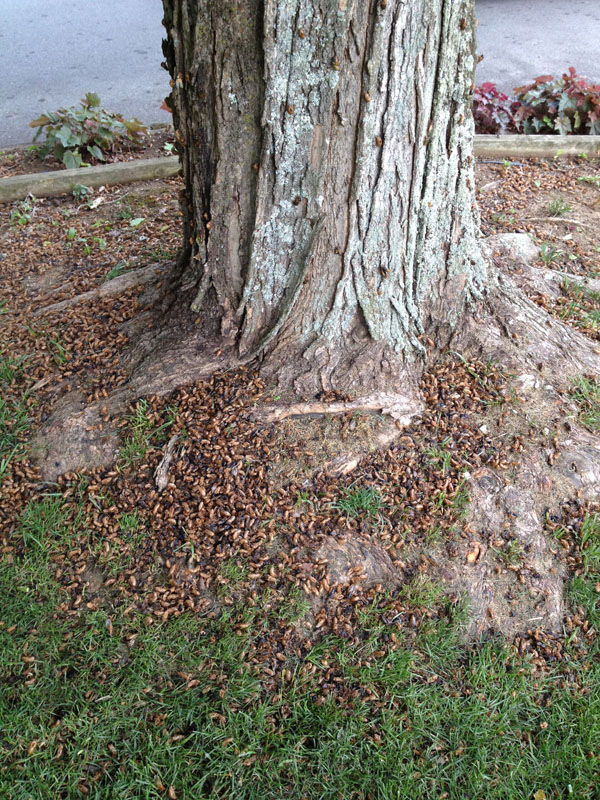
Magicicada skins (exuvia) blanket the ground around the roots of a tree. This is a photo of periodical cicada skins taken by John Cooley of Cicadas @ UCONN (formerly Magicicada.org) in Warriors’ Path State Park, TN, in 2012. Brood I.
Sulphogaeana sulphurea (Westwood, 1839). Photo by Jeff Blincow, Taken in Bhutan.
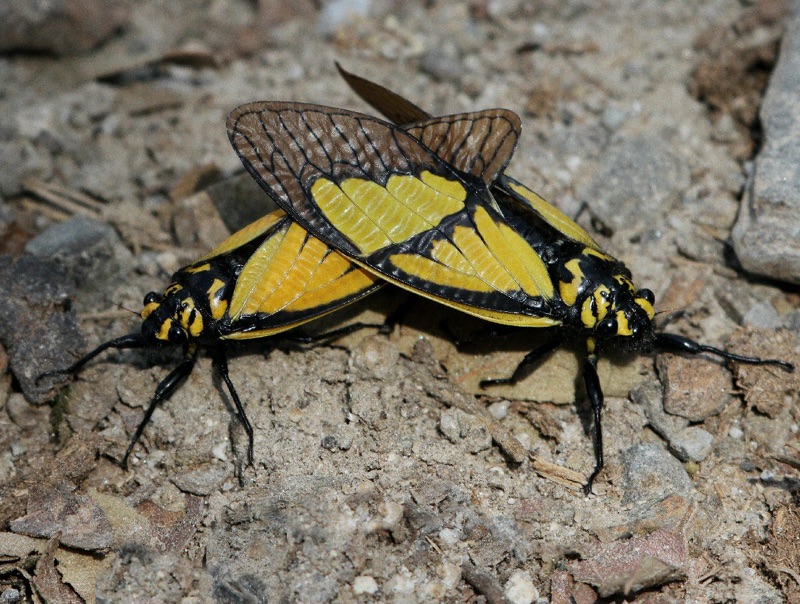
These cicadas are mating. Sulphogaeana sulphurea was previously known as Gaeana sulphurea.
Dundubia vaginata (Fabricis, 1787) with a missing abdomen. The photo was taken in Malaysia. The photographer wishes to be anonymous.