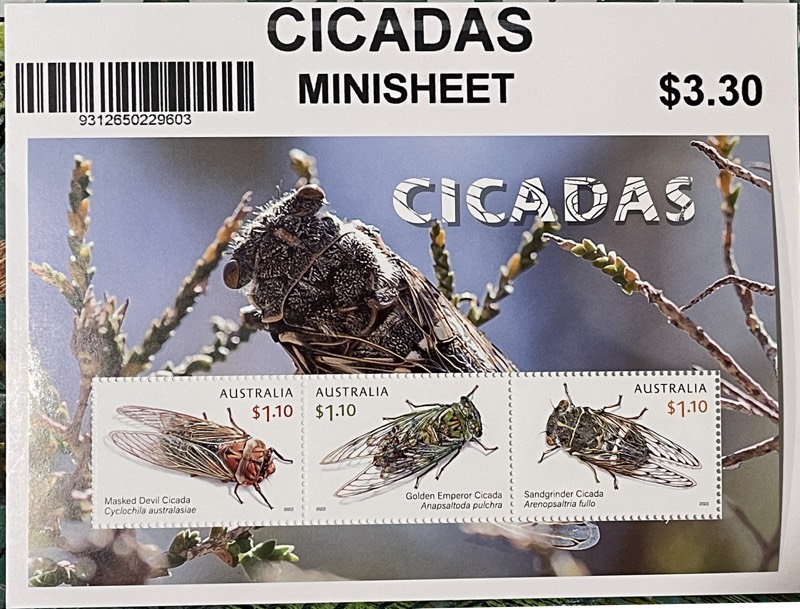
This page features information about common cicadas of Australia researchers, and websites dedicated to the cicadas of Australia. Australia has the best cicada names!
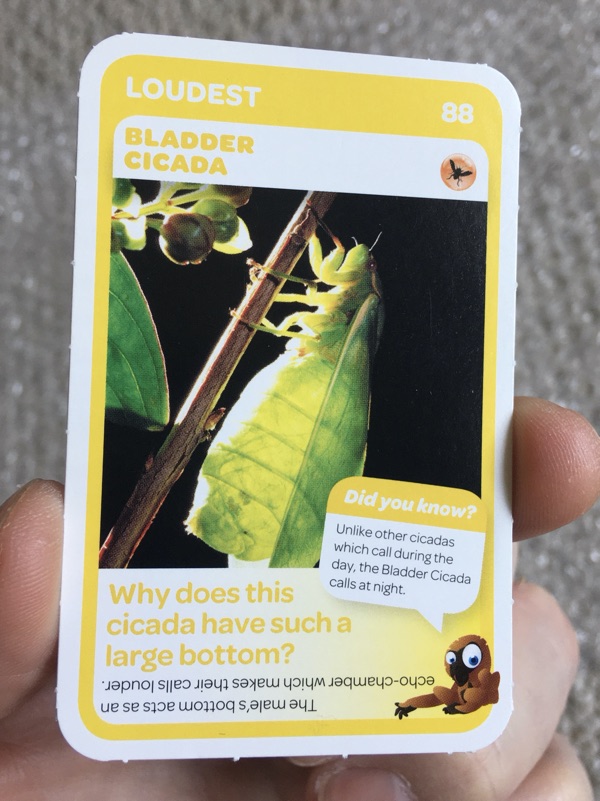
Bladder Cicada (Cystosoma saundersii)
The Bladder Cicada can be sound in eastern Queensland & NSW1, can be found September-January, peaking in October2. It is called a Bladder Cicada because of its large abdomen.
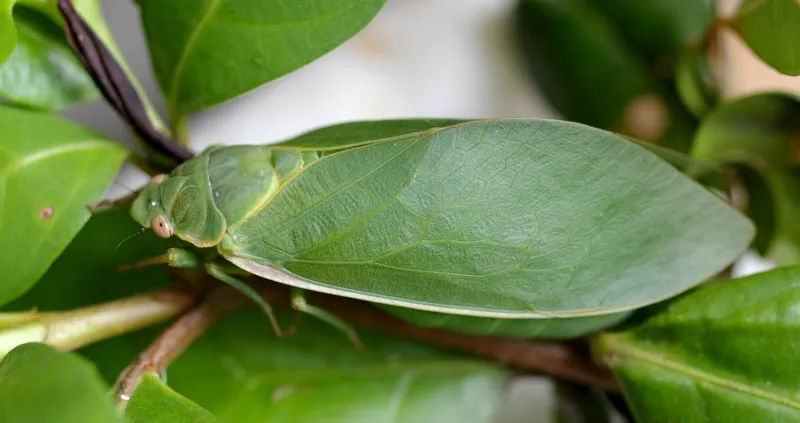
Photo by David Emery.
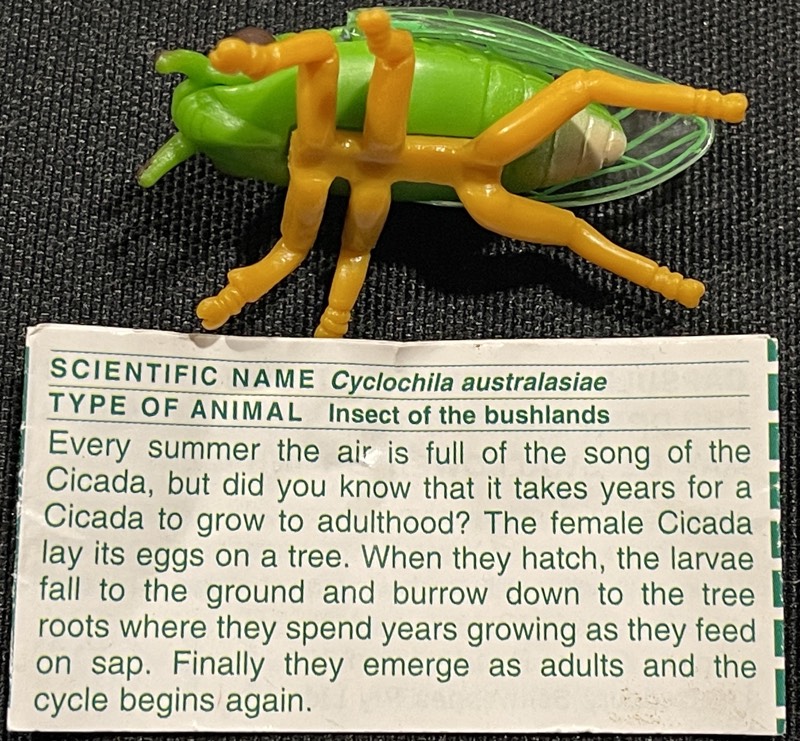
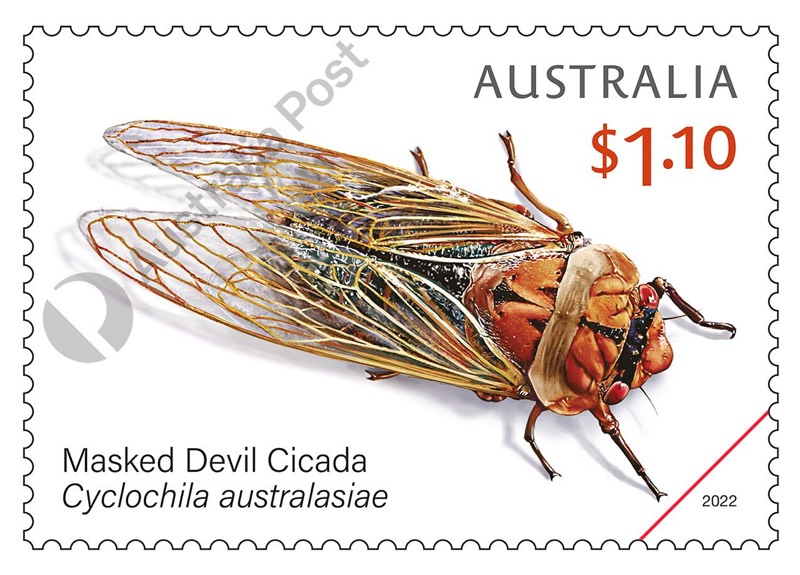
Cyclochila australasiae
Cyclochila australasiae can be found in eastern Queensland, NSW and Victoria, and most emerge between September & December1, but peaking in November2.
All Cyclochila australasiae info on this site.
Green Grocer morph of Cyclochila australasiae
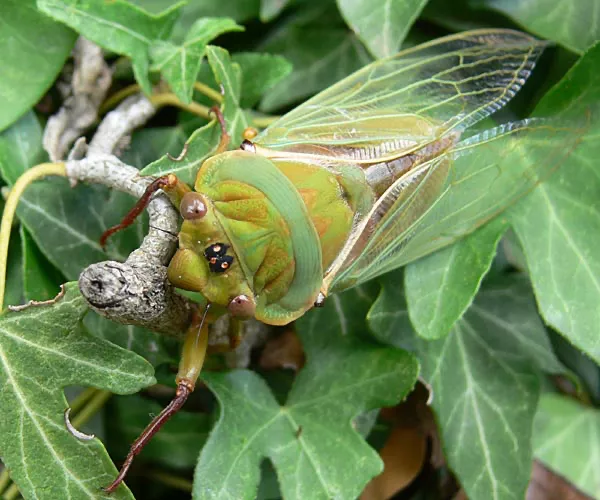
Photo by Bron.
Green Grocer morph of Cyclochila australasiae
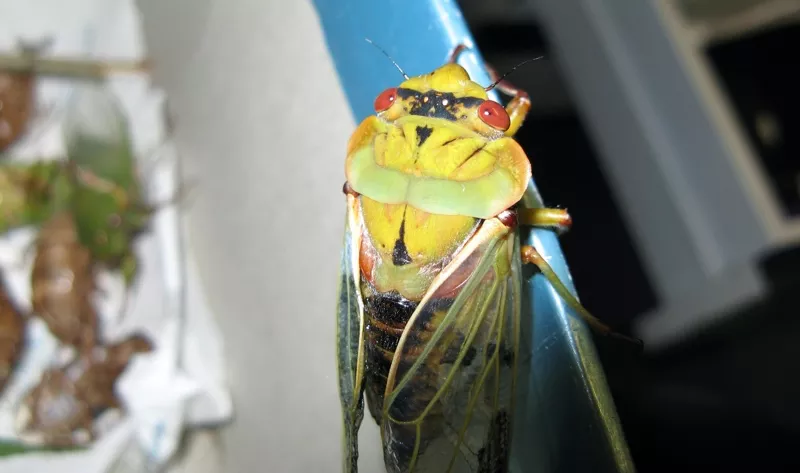
Photo by Kevin Lee. Yellow-Green Green Grocer with Mask.
Yellow Monday morph of Cyclochila australasiae
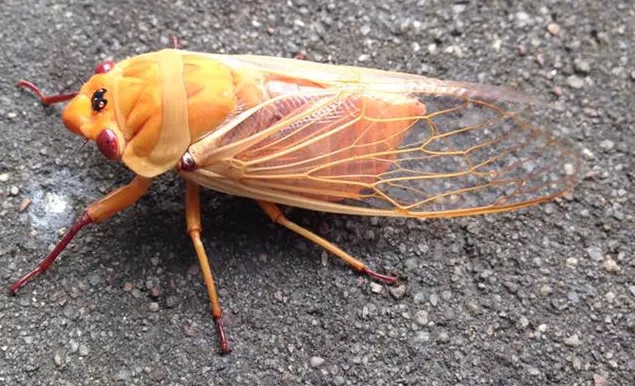
Photo by Tom Katzoulopolopoulous.
Blue Moon morph of Cyclochila australasiae
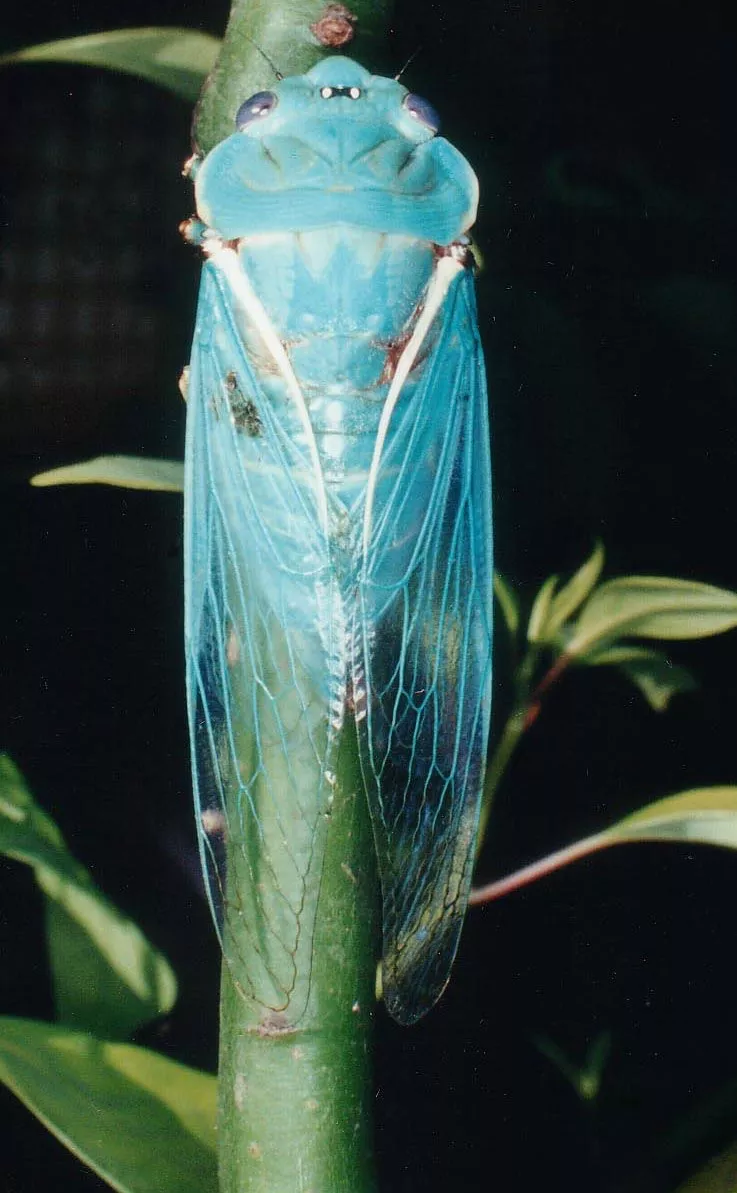
Photo by David Emery.
Masked Devil morph of Cyclochila australasiae
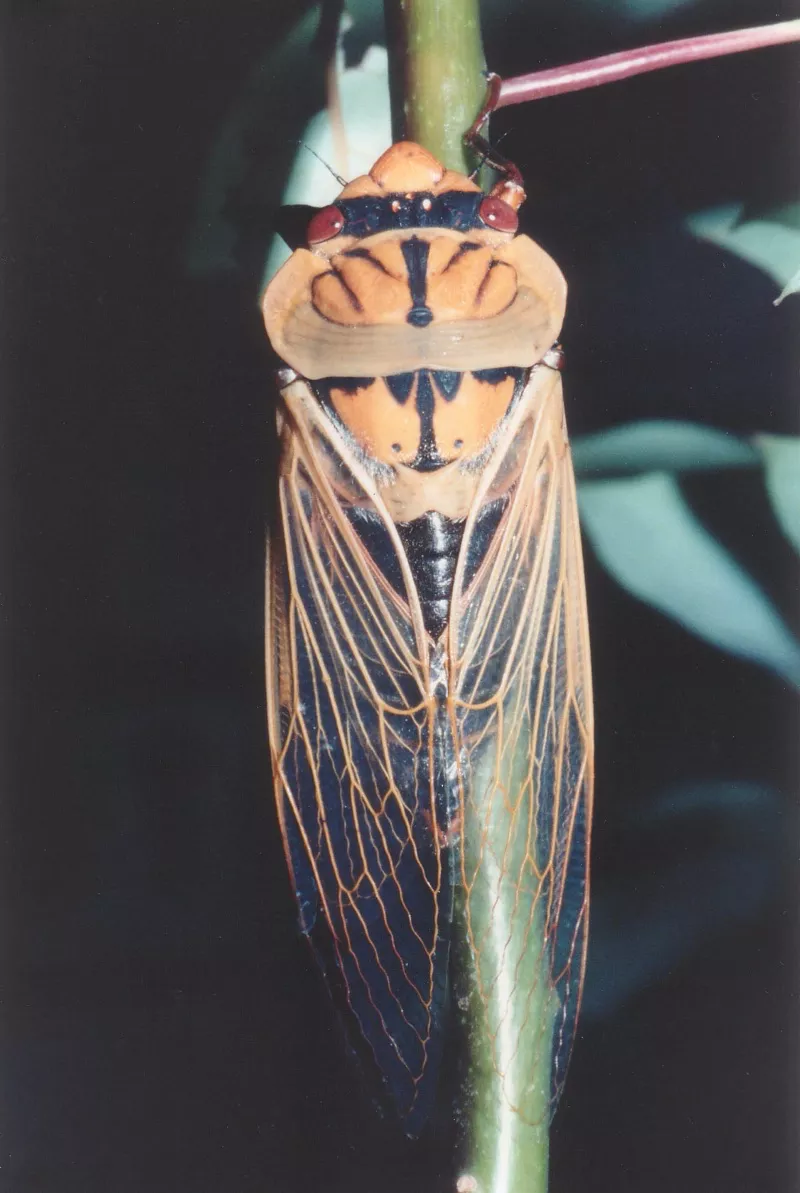
Photo by David Emery.
Bagpipe Cicada (Lembeja paradoxa)
The Bagpipe cicada can be found in the Northern tip of Queensland1, from October to February, but they’re most common during January2.
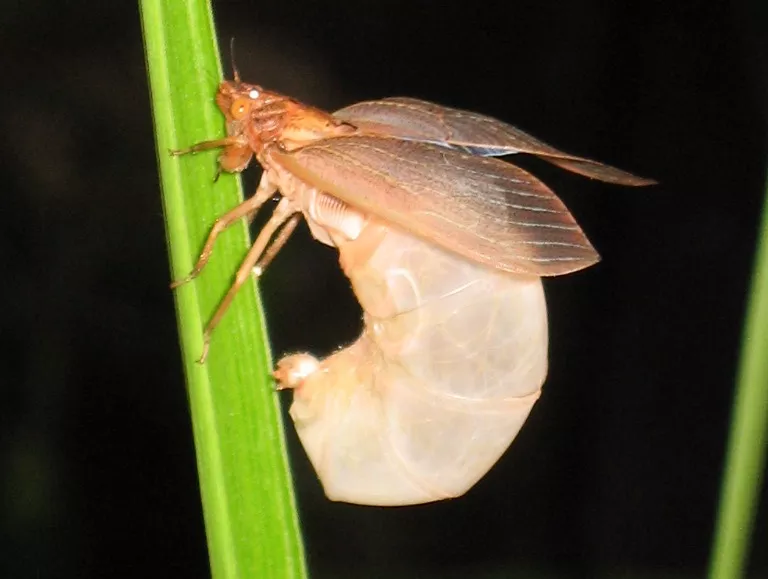
Photo by David Emery.
Cherrynose or Whiskey Drinker (Macrotristria angularis)
The Cherry Nose cicada can be found in Eastern Queensland, NSW, and a small part of South Australia, and is found November-February1, but is most common in December2.
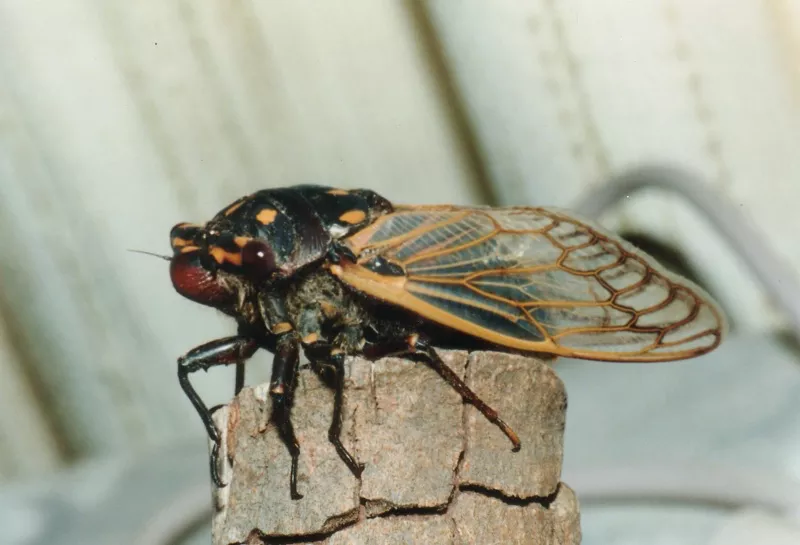
Photo by David Emery.
Double Drummer (Thopha saccata)
The Double Drummer can be found in parts of eastern Queensland and Eastern NSW, from November to early March1. Peaks in December.
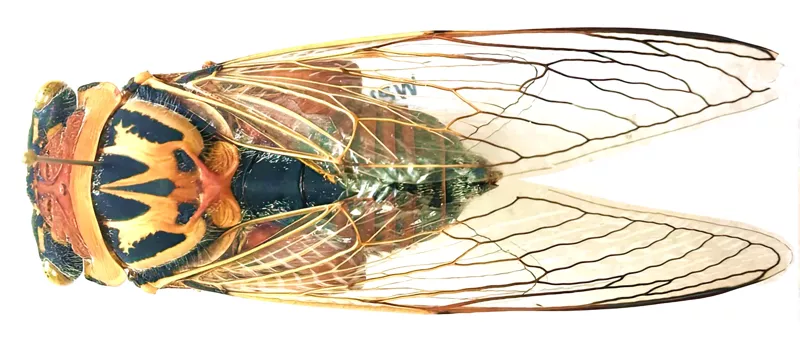
Photo by Dan.
White Drummer (Arunta perulata)
The White Drummer cicada can be found in eastern Queensland and NSW, from November to April, but they are most common during December and January1.
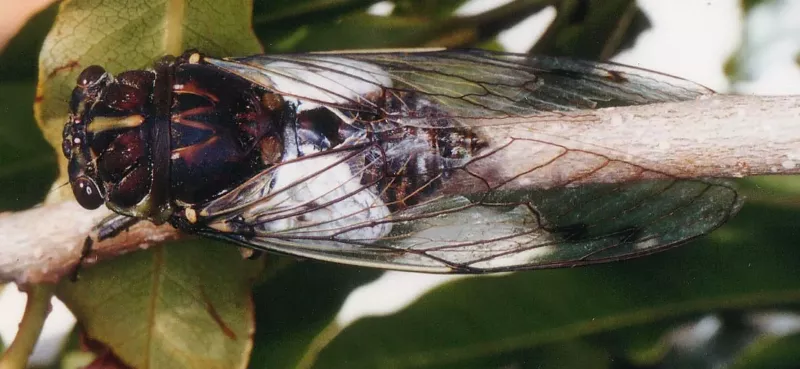
Photo by David Emery.
Orange Drummer (Thopha colorata)
When: January.
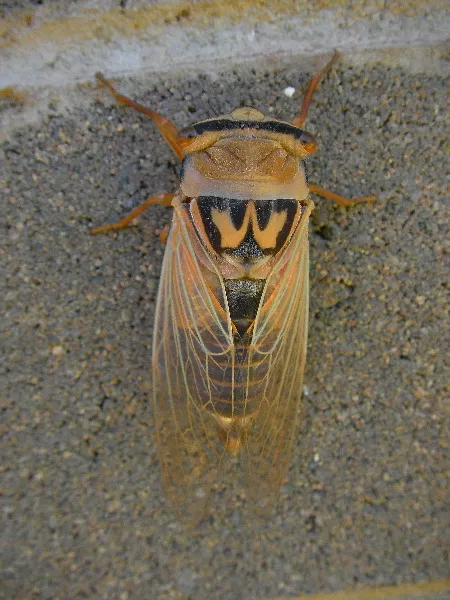
Photo by Jodi.
Redeye cicada (Psaltoda moerens)
The Redeye cicada can be found in eastern NSW, Victoria, and Tasmania, and are most abundant in late November and December1, but can be found until February2.
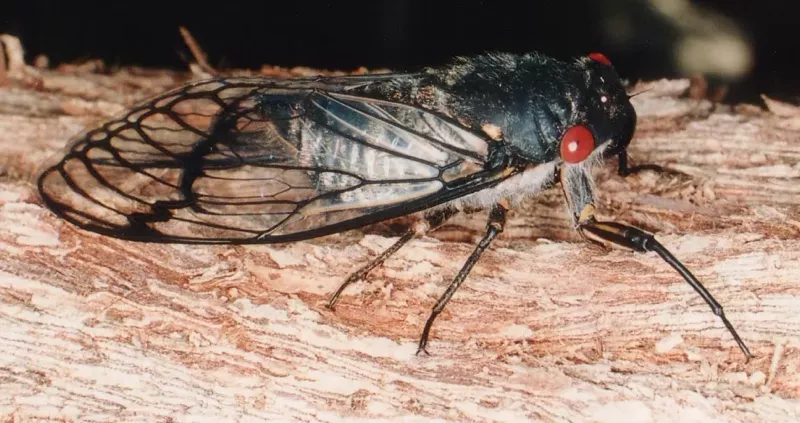
Photo by David Emery.
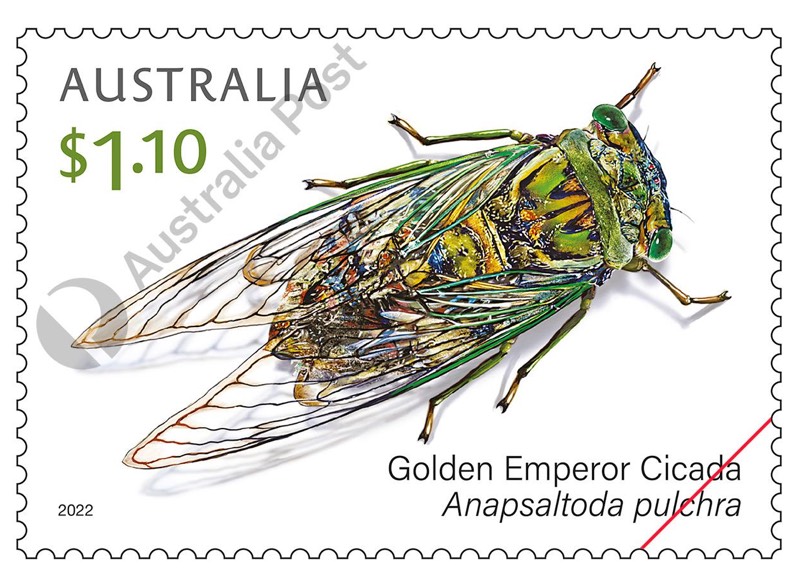
Golden Emperor (Anapsaltoda pulchra)
When is it out: Nov-Jan.
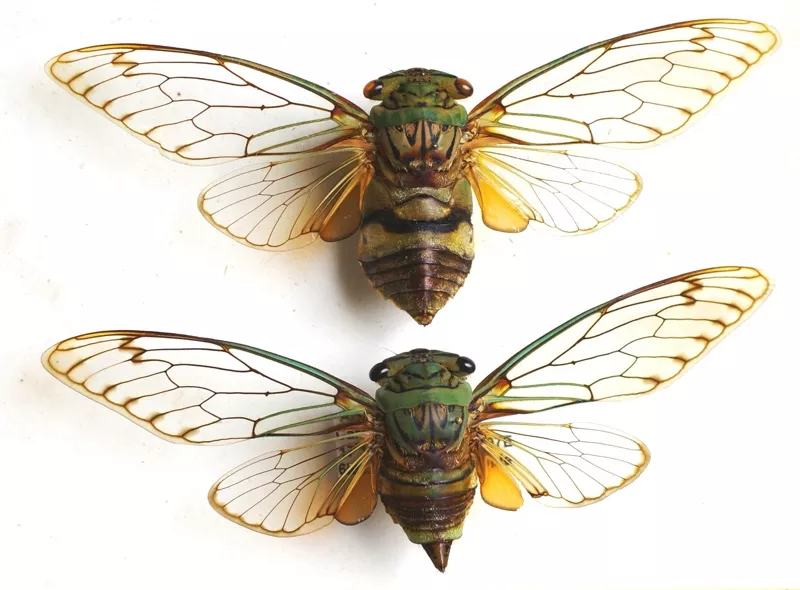
Photo by David Emery.
Floury Baker (Aleeta curvicosta)
The Floury Baker can be found along the coast of Queensland & NSW. Adults are most common in late December and January1.
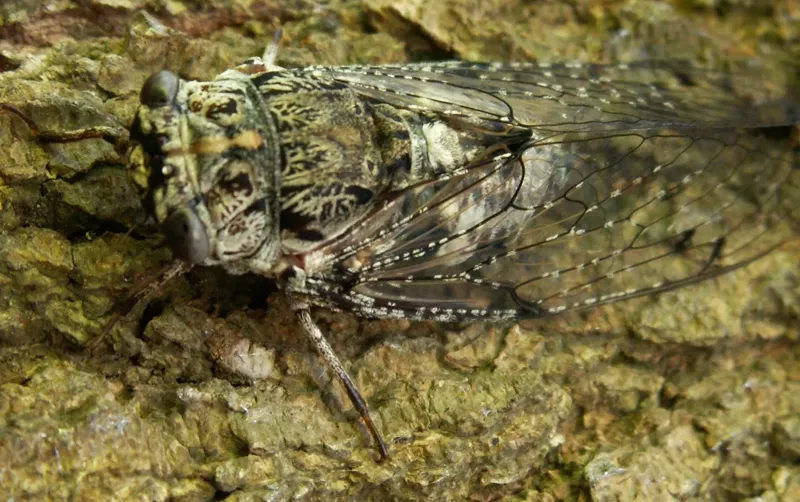
Photo by Michelle Thompson.
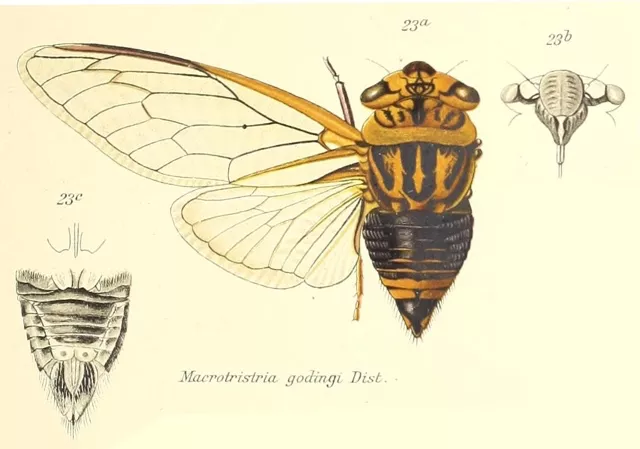
Tiger Prince or Tiger Cherrynose (Macrotristria godingi)
Golden Twanger aka Diemeniana euronotiana
The Diemeniana euronotiana can be found in eastern NSW, south-eastern Victoria, and Tasmania. They are most common from late November to January1.
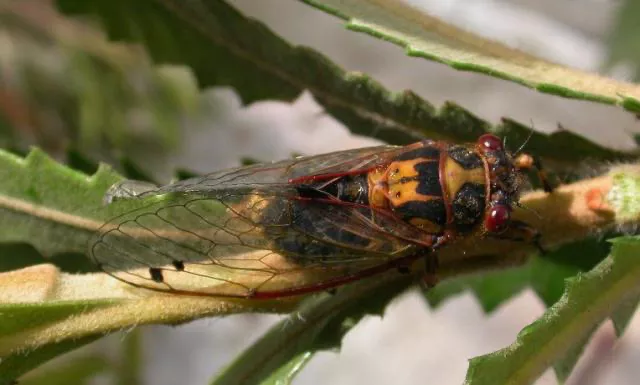
Diemeniana euronotiana. Photo by David Emery.
Tasmanian Hairy Cicada aka Tettigarcta
Out: January-May.
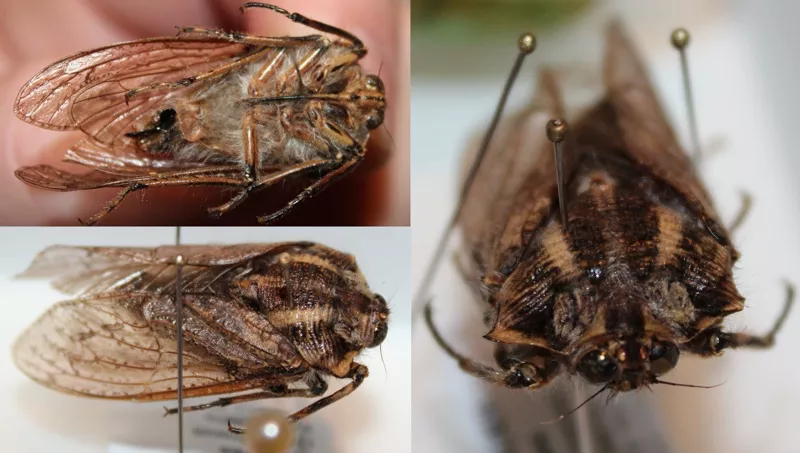
Tettigarcta tomentosa.
More interesting names:
Date and location:
1 Moulds, M.S.. Australian Cicadas Kennsignton: New South Wales Press, 1990.
2 iNaturalist.com.
Researchers & resources:
David Emery
David Emery is a cicada researcher and has contributed many of the images you see on this website.
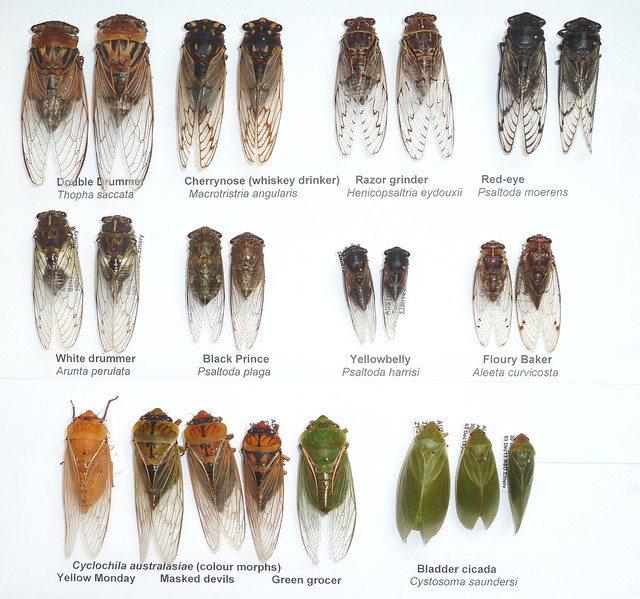
Use this amazing image by David Emery to identify some of the most well-known Australian cicada species:
Nathan Emery
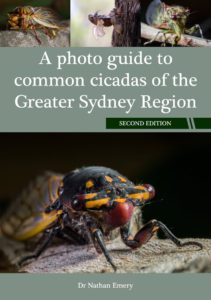
Nathan Emery released a cicada book called “A photo guide to the common cicadas of the Greater Sydney Region”. You can buy it online.
Dr. Popple
M.S. Moulds
Websites
Atlas of Living Australia Cicada page.
Brisbane Cicadas.
Narelle Power’s Cicada Photos.
Scribbly Gum’s The Summer of Signing Cicadas.
Morwell National Park Online.
Laura Imbruglia sings songs that mention Green Grocers and Yellow Mondays on her album “It Makes a Crunchy Noise”.